Illegal Chain Binders: Ratings, WLL, Damage & Lever Rules
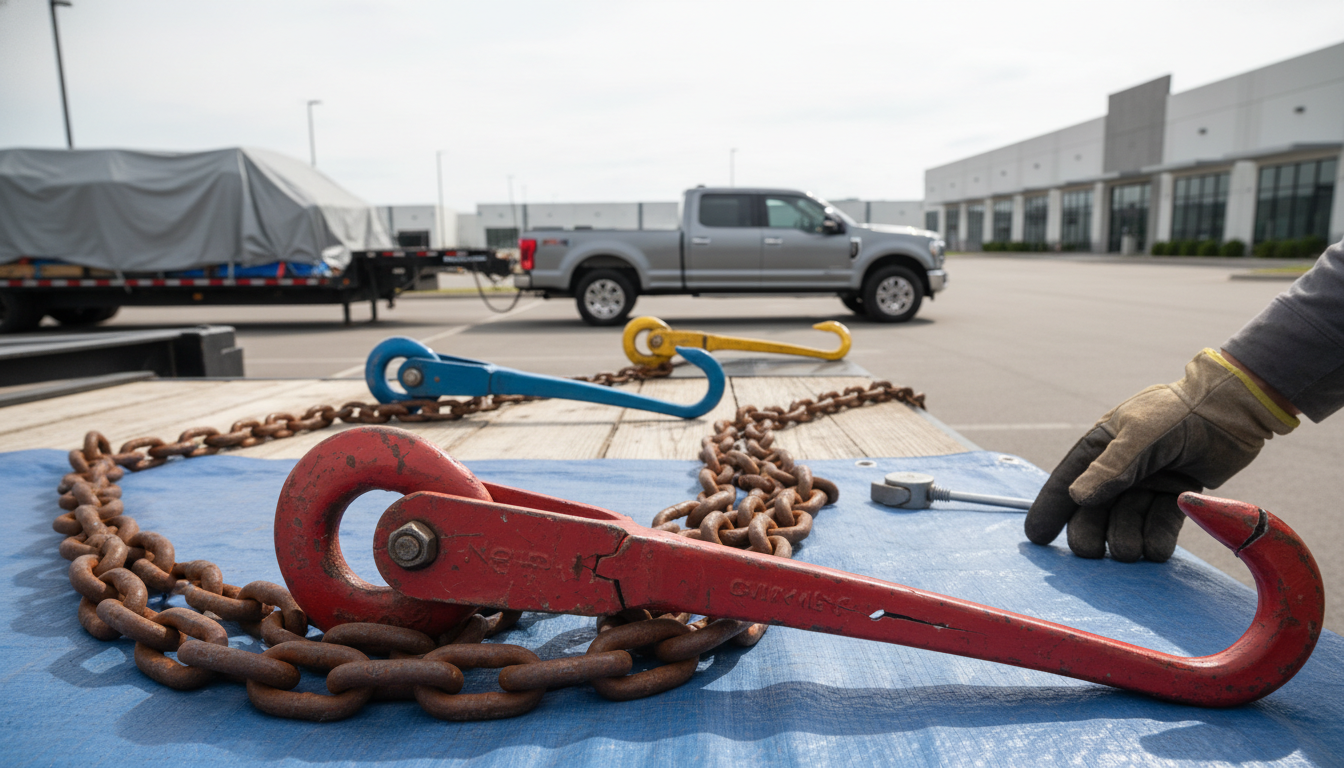
What chain binders are illegal?
Chain binders (also called load binders) become “illegal” when they don’t meet safety rules for the job, are used outside their rated limits, or are prohibited in certain applications by regulation or workplace policy. In the U.S., most issues come down to Department of Transportation (DOT)/FMCSA cargo securement rules, OSHA expectations in workplaces, and state-level enforcement practices.
1) Binders that don’t have a proper rating/identification
A common violation is using chain binders that are missing a legible Working Load Limit (WLL) or manufacturer identification when required for traceability. If an inspector can’t verify the binder’s capacity, it may be treated as noncompliant for transport or jobsite use.
2) Any binder used beyond its Working Load Limit
Even a “good” binder becomes illegal the moment it’s used to secure a load that exceeds its WLL (including the chain and any connectors). Enforcement typically considers the weakest component in the tiedown assembly, so an underrated hook, chain, or binder can put the entire setup out of compliance.
3) Binders that are damaged, modified, or mismatched
Chain binders with bent handles, cracked bodies, stretched parts, worn hooks, or obvious deformation are commonly cited as unsafe. Welding, drilling, heating, or other modifications that change the binder’s strength can also make it unacceptable. Using a binder with the wrong grade/size of chain (for example, pairing it with an incompatible chain grade) can be treated as improper securement.
4) Certain “lever (snap) binder” use cases
Lever binders aren’t universally banned, but they’re frequently flagged because they can recoil and injure users if they slip. Some companies and worksites prohibit lever binders altogether and require ratchet binders. In some jurisdictions, lever binders may need a secondary securement method (like a handle clip, tie wire, or other restraint) to prevent accidental release, depending on local interpretation and the scenario.
For deeper specifics—especially around tie-down rules, chain grades, and practical compliance tips—see the full guide here: https://supremechoiceden.shop/blog/what-chain-binders-are-illegal/.
FAQ
Do you need to secure a lever binder handle so it can’t pop open?
Often, yes. Many carriers and safety programs require a positive method to keep the handle from releasing, and some inspectors will cite an unsecured handle as unsafe depending on the circumstances and local enforcement.















Leave a comment