Record-Player Enclosed Cat Litter Box: Fit & Odor Tips
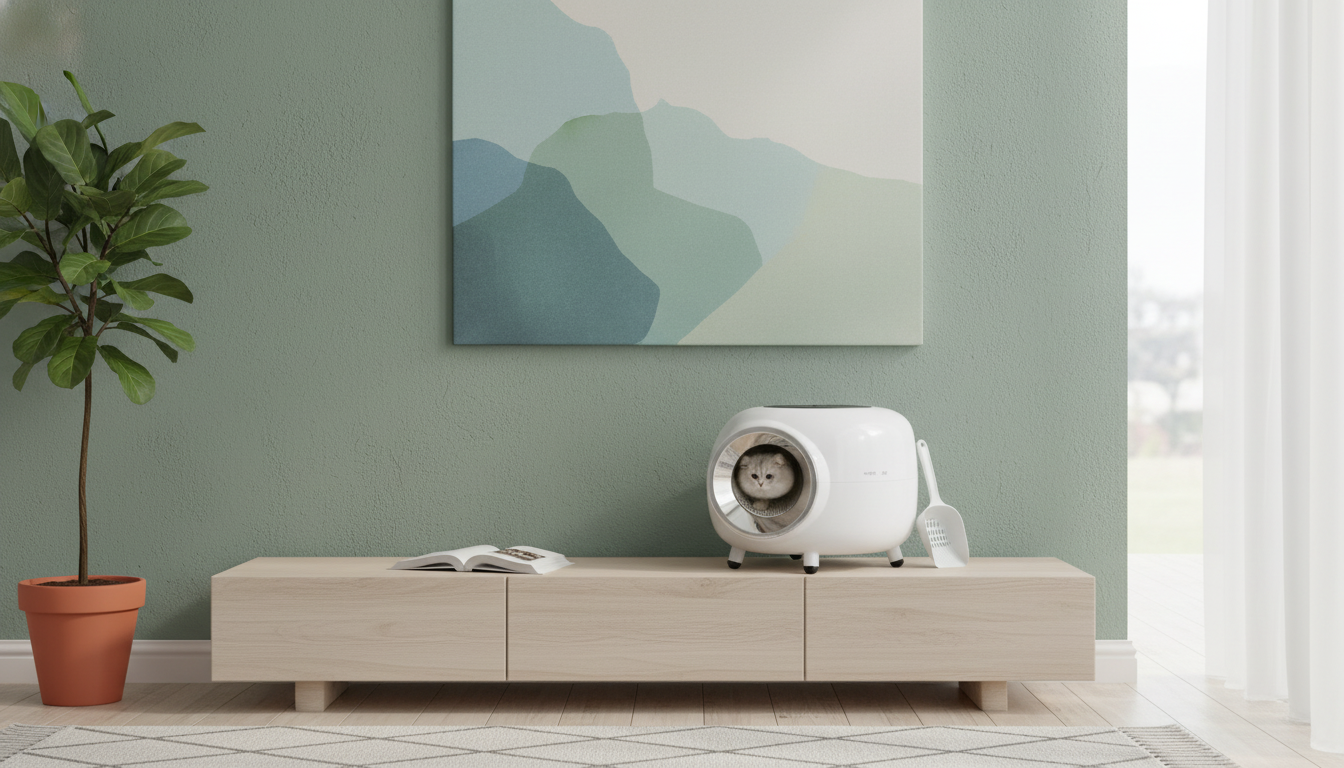
Fully Enclosed Round Cat Litter Box with Scoop – Record Player Style (Under 22 lbs)
A fully enclosed, round litter box can cut down on scattered litter, keep the box area looking more discreet, and help limit odor drift—especially in apartments, shared rooms, or open-concept spaces. The record-player inspired shape adds a playful, decor-friendly touch while still prioritizing the basics: privacy, containment, and easy daily upkeep. Below is a practical guide to fit (for cats under 22 lbs), cleaning routines, odor control, and helping your cat switch to an enclosed setup without stress.
What Makes the Record-Player Style Design Different
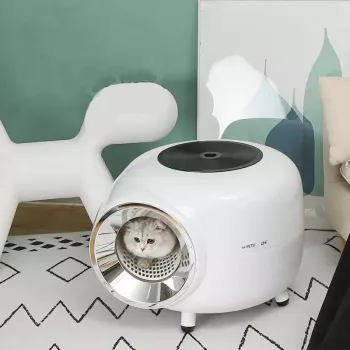
Unlike a standard open pan, a round enclosed box uses a shell-like structure that naturally blocks litter from being kicked out the sides. That rounded footprint also tends to look less “utility” and more like a deliberate object in the room, which can make placement easier in living areas.
- Round, enclosed shell: Helps contain kicked litter and keeps the litter area visually discreet.
- Covered entry: Gives many cats a sense of privacy while reducing tracking and spray escape.
- Included scoop: Makes quick daily maintenance simpler—no searching for tools.
- Statement-piece aesthetic: Helps the box feel less intrusive in shared spaces like a living room or home office.
If you’re ready to try the style, the Fully Enclosed Round Cat Litter Box with Scoop – Record Player Style, for Pets Under 22lbs is built for cats and small pets up to 22 lbs and comes with a matching scoop for everyday use.
Size and Comfort: Best Fit for Pets Under 22 lbs
This enclosed litter box is recommended for pets under 22 lbs, which covers most adult cats. Still, weight is only one part of comfort. A long-bodied cat can feel cramped even at a normal weight, and a senior cat might struggle with an entry that requires an awkward step.
Before switching, watch how your cat uses the current box: do they turn around fully, dig with enthusiasm, and cover without bumping into edges? Those behaviors are a good preview of how they’ll do in an enclosed space.
Quick Fit Check Before Switching
| Check | Why it matters | Good sign |
|---|---|---|
| Turn-around space | Cats prefer to rotate and cover comfortably | Cat can pivot without bumping the walls |
| Entry height | Higher entries can be challenging for seniors | Cat steps in smoothly without jumping awkwardly |
| Body length vs interior | Long cats need more clearance than weight suggests | Back and tail don’t press against the shell while digging |
| Multiple-cat household | Some homes need more than one box | No waiting, guarding, or rushed use |
Odor Control and Airflow: Getting the Best Results
An enclosure can help keep odor from traveling as quickly through a room, but it can also hold smells inside the shell if waste isn’t removed consistently. Think of it as “odor containment,” not “odor elimination.” The best results come from pairing the box with a simple routine and the right litter.
- Scoop daily (or twice daily for multiple cats): In an enclosed space, even a small amount of waste can make the box feel “full” faster.
- Use a clumping litter your cat likes: Texture and scent preferences matter; a cat that dislikes the litter may avoid the box.
- Place the box where air can circulate: A cramped closet can trap smells; a quiet corner with airflow is usually better.
- Stay consistent with refresh timing: When maintenance slips, odor often spikes more noticeably in covered designs.
If litter box avoidance ever starts, behavior and health can overlap—resources like the ASPCA guide on litter box problems can help you sort through common causes and next steps.
Daily Cleaning and Deep-Clean Routine
Enclosed litter boxes often feel easier to live with when the cleaning plan is simple and predictable. The included scoop supports quick daily care, which is the biggest factor in keeping odors and mess under control.
For broader cat care basics (including hygiene and home setup), the AVMA cat care resources are a reliable reference.
Helping a Cat Transition to an Enclosed Litter Box
Placement Tips for Cleaner Floors and Happier Cats
Pros, Trade-Offs, and Who It’s Best For
Covered vs Open Boxes at a Glance
| Type | Main benefit | Common drawback | Good for |
|---|---|---|---|
| Fully enclosed | Better visual privacy and litter containment | Needs consistent scooping to prevent trapped odors | Kickers and tidy-room setups |
| Open pan | Easy access and airflow | More tracking and scattered litter | Seniors or enclosure-averse cats |
| Top-entry | Reduces tracking and dogs getting into litter | Not ideal for mobility-limited cats | Jump-capable cats and dog households |
Product Snapshot: Fully Enclosed Round Cat Litter Box with Scoop
View the product page here: Fully Enclosed Round Cat Litter Box with Scoop – Record Player Style, for Pets Under 22lbs. For anyone who likes checklists for building consistent home routines, you can also browse Confidence, Not Ego – Checklist to Understand Confidence vs Ego Explained Simply | Daily Builders, Ego Traps, AI Tips & Quick Test.
FAQ
Will an enclosed litter box make odors worse?
It can if waste isn’t scooped daily, because the enclosure holds smells in a smaller air space. With consistent scooping, clumping litter your cat accepts, and regular deep cleaning, many homes find odors are easier to manage overall.
Is this suitable for a 20–22 lb cat?
It’s intended for pets under 22 lbs, but comfort depends on body length, the ability to turn around easily, and whether the entry feels accessible. For cats with mobility issues, a more open design (or a slower transition) may work better.
How do you switch a cat from an open box to an enclosed one?
Place the new box next to the old one, keep the same litter, and let your cat explore without pressure. If possible, start with the cover off or partially open, then increase enclosure gradually while watching for hesitation or avoidance.













Leave a comment