City vs Highway Miles: When a Hybrid Pays Off
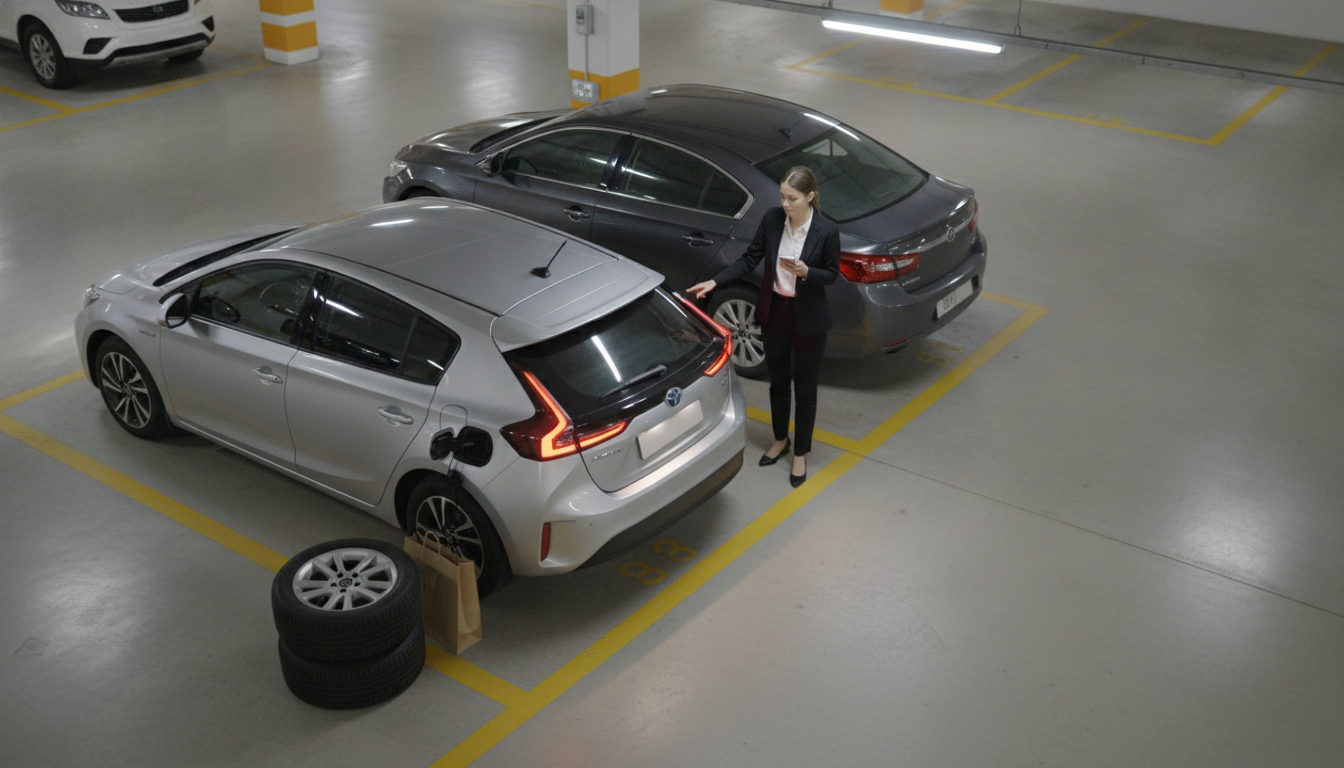
How does city vs highway driving affect whether a hybrid makes sense?
City and highway driving change the value of a hybrid because hybrids earn their biggest efficiency gains in stop-and-go conditions. In town, frequent braking lets the hybrid recapture energy through regenerative braking and reuse it to help launch the car from a stop. The gas engine can also shut off more often at low speeds or while idling, which trims fuel use during traffic lights and congestion.
On the highway, that advantage usually shrinks. Steady cruising leaves fewer chances to recapture energy, and the vehicle relies more on the gas engine. Many hybrids still do well on the freeway, but the gap versus a similar gas-only model is often smaller than it is in city driving. That means your payback depends heavily on where your miles happen.
When a hybrid tends to make more sense
If a large share of your weekly driving is urban—commutes with traffic, short errands, school drop-offs, rideshare work, or delivery routes—a hybrid can deliver meaningful fuel savings and a calmer driving experience (smooth electric assist, less idling). This is also where hybrids can reduce wear on traditional brakes because regen handles part of the stopping.
When a hybrid may be harder to justify
If most miles are long, uninterrupted highway trips at higher speeds, a hybrid may take longer to “earn back” its higher purchase price because fuel savings per mile can be modest. In that situation, the decision often comes down to how big the price difference is, your local fuel prices, and how long you plan to keep the vehicle.
For a practical way to compare costs, mileage, and payback time, use the breakdown in this guide: gas vs hybrid cost, MPG, and payback guide.
FAQ
Are hybrids worth it if you drive mostly short trips?
Often, yes—short, stop-and-go trips create more opportunities for regenerative braking and engine-off time. The biggest factor is how much of that driving is in traffic or low-speed conditions versus steady highway cruising.















Leave a comment