Starting Therapy When You’re Scared: A Confidence Ladder
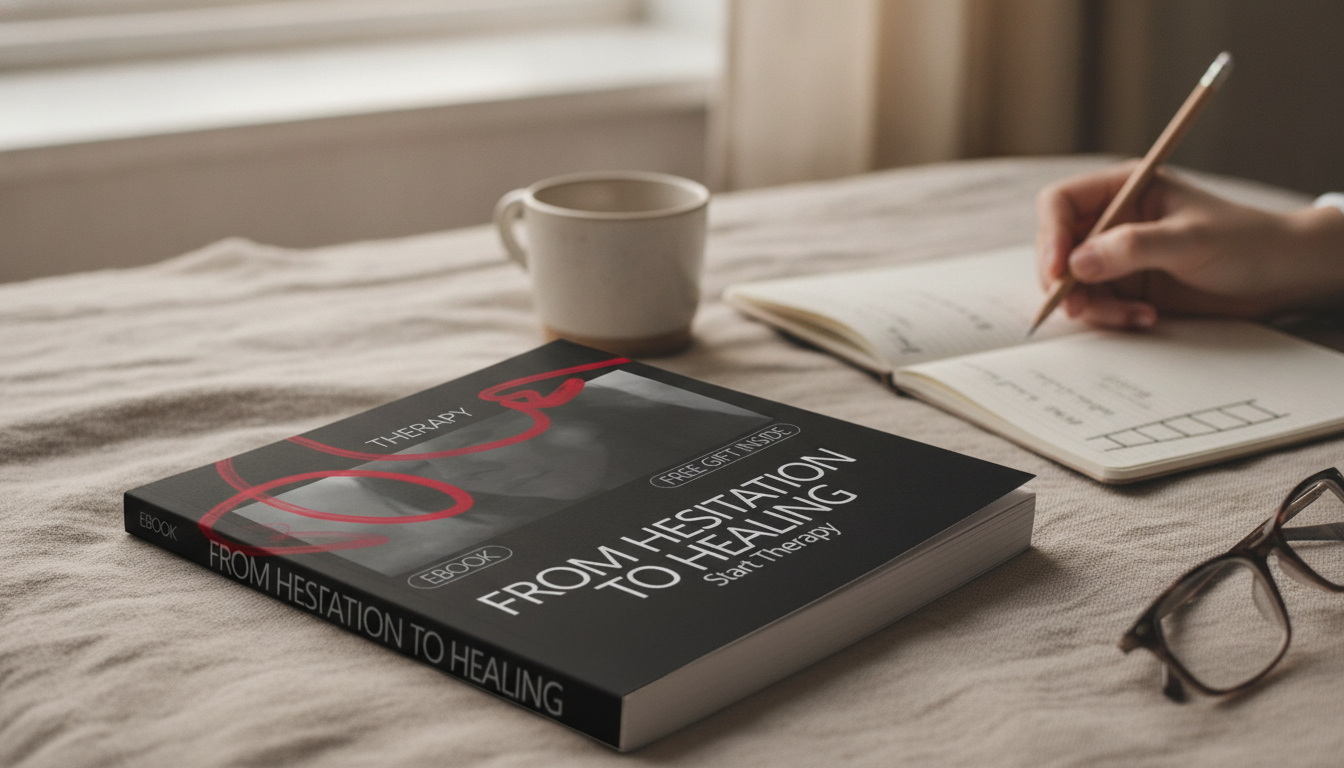
From Hesitation to Healing: A Confidence-Building Guide to Starting Therapy
Starting therapy can feel like standing at the edge of something unknown: hopeful, but unsure. Confidence doesn’t have to arrive all at once before the first appointment—it can be built in small, practical steps. The goal isn’t to eliminate every fear; it’s to make the next step doable. Below are the most common barriers (fear, uncertainty, cost, stigma, past experiences) and a steady path from considering therapy to scheduling and showing up with more footing.
Why starting therapy can feel so hard (and why that’s normal)
Ambivalence is common: part of you wants relief, and another part worries about what might surface once you start talking. Add uncertainty about what therapy “should” look like, and it’s easy to stall—especially if you’ve experienced invalidation, cultural stigma, or a previous mismatch with a therapist.
One of the most frustrating truths is that confidence often follows action; it doesn’t always precede it. Many people feel more capable after they’ve sent the email, completed the intake forms, or finished the first session—not before.
What confidence looks like when you’re new to therapy
Confidence can be quiet. It might look like researching options on a lunch break, drafting a message you don’t send yet, or filling out an intake form with shaky hands. Therapy-ready confidence means being willing to try, not being perfectly calm.
A realistic goal for early therapy is simple: show up even if the nervousness stays. Another helpful mindset shift is treating the first few sessions as a trial period rather than a lifetime commitment. You’re allowed to gather information, ask questions, and decide what fits.
Name the hesitation: common fears and what to do with them
Fear of being judged
Bring a simple first-session script and ask directly about the therapist’s approach to nonjudgment and collaboration. A solid therapist can explain how they work and how feedback is handled.
Fear of “not being bad enough”
Therapy isn’t only for crisis. It can support growth, stress management, relationship patterns, life transitions, and burnout. If something is affecting your quality of life, it’s valid to get support.
Fear of losing control
You can ask about pacing, consent, and what happens if a topic feels too intense. Many therapists will slow down, help with grounding skills, or shift focus so the work stays tolerable.
Fear of cost
Consider insurance benefits, sliding-scale options, community clinics, group therapy, or short-term goal-focused therapy. Many people also start with fewer sessions (for example, every other week) and adjust as they go.
Fear of choosing the wrong therapist
A simple plan to take the first step (a confidence ladder)
Confidence Ladder: small moves that reduce anxiety and increase follow-through
| Level | Action | Why it helps | Time needed |
|---|---|---|---|
| 1 | Write down what you want help with in one sentence | Turns vague discomfort into a clear starting point | 5 minutes |
| 2 | Choose a therapy format (in-person or online) | Reduces decision fatigue and lowers the barrier | 10 minutes |
| 3 | Find 3 therapists and save their contact info | Creates momentum without requiring immediate commitment | 20–30 minutes |
| 4 | Send one message or request a consult | Converts intention into action | 5 minutes |
| 5 | Attend the first session with a short agenda | Builds agency and reduces fear of freezing up | 50–60 minutes |
| 6 | Decide: continue, clarify goals, or try a different therapist | Keeps you in control of the process | 10 minutes |
How to choose a therapist without overthinking it
For more background on what psychotherapy can include, see the National Institute of Mental Health overview of psychotherapies and the American Psychological Association guide to understanding psychotherapy.
What to say in the first session (and what you can keep private for now)
Build confidence between sessions: small practices that make therapy easier
When therapy isn’t a good fit yet (and what to do instead of quitting entirely)
If you need immediate support or you’re worried about safety, seek urgent care or crisis resources. The SAMHSA National Helpline can help connect you to treatment resources in the U.S. Separating “therapy didn’t work” from “this match/format didn’t work” preserves momentum.
A guided option for getting started with more clarity
When anxiety spikes at decision points, structure can help. From Hesitation to Healing: Start Therapy (Confidence-Building eBook Guide) offers a workbook-style path for choosing a therapist, writing outreach messages, and preparing for the first session.
If organization is the main barrier—forgotten tasks, scattered notes, or trouble following through—AI Tools to Organize Your Life Guide – Ultimate Daily Planner Companion can help you build a simple system for planning steps and tracking progress between sessions.
And if cost concerns are part of the hesitation, Save Like a Pro! – The Ultimate Monthly Savings Checklist can support clearer monthly planning so therapy expenses feel less ambiguous and more manageable.
FAQ
How do you start therapy when you’re scared?
Pick the smallest next step: choose a format, draft one message, and schedule a consult. Let the therapist know you want to go slowly and ask how they pace sessions so you stay in control.
What if I don’t know what to talk about in therapy?
Start with a simple structure: what’s happening lately, what you’ve tried, and what you want to change. Bringing a few notes about current stressors and one near-term goal is enough to get started.
How many sessions should you give a therapist before deciding it’s not a fit?
Two to three sessions is a practical evaluation window to assess rapport and whether goals are becoming clearer. Switch sooner if you feel unsafe, the therapist behaves unethically, or your boundaries aren’t respected.
















Leave a comment