Stress Relief for Glowing Skin: A 7-Day Radiant Reset
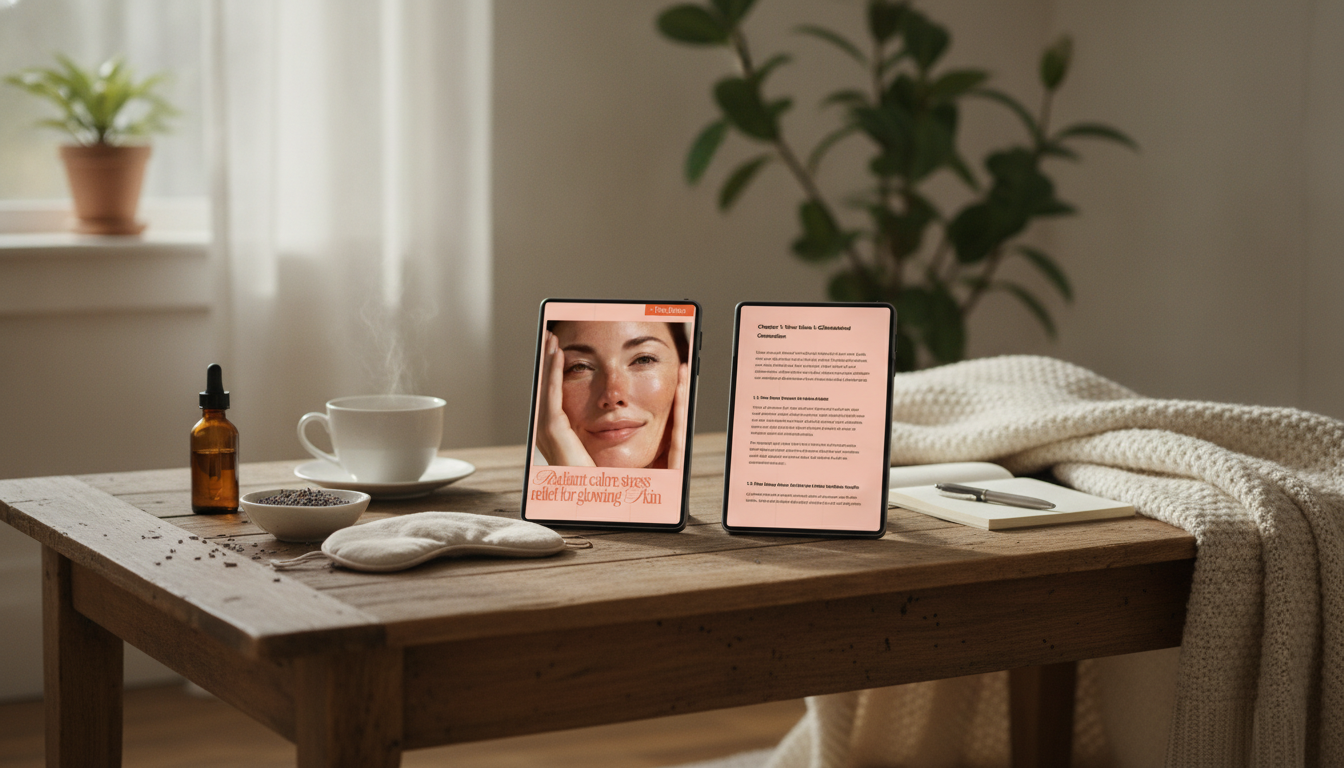
Radiant Calm: Stress Relief for Glowing Skin
Stress doesn’t just feel heavy—it can look heavy, too. During hectic seasons, skin may turn dry and tight, look dull, flush more easily, break out in clusters, or take longer to bounce back after a blemish. A mind-body approach helps by lowering the internal “alarm signals” that can keep skin stuck in reactive mode, while a simple, supportive routine protects the barrier so it can recover.
Below is a practical map: why stress shows up on skin, quick calming tools that fit real schedules, a gentle routine to reduce irritation, and a 7-day reset that pairs nervous-system support with easy skincare.
Why stress changes the look and feel of skin
When stress spikes, the body releases stress hormones that can influence oil production, inflammation, and the skin barrier. For some people, this means extra shine and clogged pores; for others, it looks like dryness and sensitivity—sometimes both at once. Inflammation can amplify redness and make breakouts feel more “angry,” while a weakened barrier can lead to stinging with products that used to feel fine.
Stress also changes day-to-day habits in ways that show up quickly on the face. Shortened sleep can increase the look of puffiness and dullness. Dehydration from busy days, skipped meals, or too much caffeine can leave skin feeling tight. Touching, rubbing, or picking becomes more common when anxious or distracted, which can worsen irritation and prolong healing.
Improvement often comes from consistency rather than intensity: calming practices + gentle skincare + recovery sleep. The goal is to reduce the triggers that keep skin reactive and to protect the barrier while it rebuilds.
Signs your skin may be asking for nervous-system support
- Dullness and uneven tone that gets worse during busy weeks, travel, deadlines, or emotional strain.
- Increased sensitivity: stinging with familiar products, redness after washing, or reactive patches that come and go.
- Breakouts that cluster around high-stress periods, especially when sleep shortens or sugar/caffeine intake rises.
- Slow healing: blemishes linger longer, and post-breakout marks fade more slowly than usual.
These patterns don’t mean you’re doing skincare “wrong.” They often indicate the skin barrier and immune response are running on low reserves—so calming inputs matter as much as topical steps.
Quick calm tools that support clearer, more comfortable skin
Fast tools work best when they’re easy enough to repeat. These options aim to reduce perceived stress, soften facial tension, and improve the behaviors that often worsen flare-ups (over-scrubbing, picking, late-night scrolling, or skipping hydration).
| Technique | Time needed | Best moment | Skin-related payoff |
|---|---|---|---|
| Slow nasal breathing (paced) | 2–3 min | Before cleansing or when feeling rushed | Less face tension and reduced impulse to pick or over-scrub |
| Progressive muscle relaxation | 5–10 min | After work or before bed | Supports relaxation and more restorative sleep |
| Short walk + daylight | 5–15 min | Midday slump | Helps stress regulation and steadier sleep-wake rhythm |
| Trigger journaling (simple notes) | 2–5 min | After a flare or at night | Clarifies patterns across stress, sleep, food, and products |
Breath reset (2–3 minutes)
Try slow nasal breathing with a gentle exhale. The point isn’t perfection—it’s shifting out of “rush mode,” which can reduce jaw clenching and the urge to scrub or pick.
Progressive muscle relaxation (5 minutes)
Stress commonly tightens the jaw, neck, and shoulders. A brief tension-and-release sequence helps the body register safety, which supports better sleep and fewer stress habits that aggravate skin.
Micro-walks and daylight breaks
A short walk outside can improve mood and support sleep timing. Better sleep often equals better skin recovery—less dullness, more resilience, and fewer “mystery” flare-ups.
Journaling prompts for flare patterns
Keep it simple: stress level (1–10), sleep hours, caffeine/alcohol timing, new products, and whether you picked or over-cleansed. Patterns become clearer than memory alone.
A calming skincare routine for stressed skin (keep it gentle)
When skin is stressed, the biggest win is often removing friction—hot water, harsh cleansers, too many actives, and aggressive exfoliation. A calm routine should feel boring in the best way.
If stress flare-ups are frequent, guidance from reputable organizations can help you connect the dots between stress and skin behavior, such as resources from the American Academy of Dermatology Association and an overview of body-wide stress effects from the American Psychological Association.
Sleep, nutrition, and hydration habits that show on the skin
Putting it together: a 7-day mind-body glow reset
Helpful downloads for building calmer routines
- Radiant Calm: Stress Relief for Glowing Skin ebook (step-by-step mind-body tools paired with skin-friendly habits)
- AI Tools to Organize Your Life Guide (planning support to reduce overwhelm and decision fatigue)
- Save Like a Pro! Monthly Savings Checklist (a simple framework that can reduce money-related stress triggers)
FAQ
How long does it take for stress-related skin changes to improve?
Some comfort improvements can show up within days, such as less tightness or irritation once you simplify skincare and sleep a bit more. Breakouts, redness, and uneven tone often take several weeks of consistent stress management, sleep support, and gentle skincare to noticeably improve.
What is the simplest routine to follow when skin is stressed and reactive?
Stick to a mild cleanser, a barrier-supporting moisturizer, and daily sunscreen. If stinging, peeling, or burning starts, pause strong actives and reintroduce products slowly once skin feels calm again.
Can breathing exercises really affect how skin looks?
Breathing exercises can help indirectly by lowering perceived stress and reducing behaviors that worsen skin, like picking, over-cleansing, and staying wired at bedtime. Over time, better stress control and sleep quality can support clearer, more comfortable-looking skin.











Leave a comment