Monthly Dog Budget Checklist: Costs to Include
What dog expenses should be included in a monthly budget checklist?
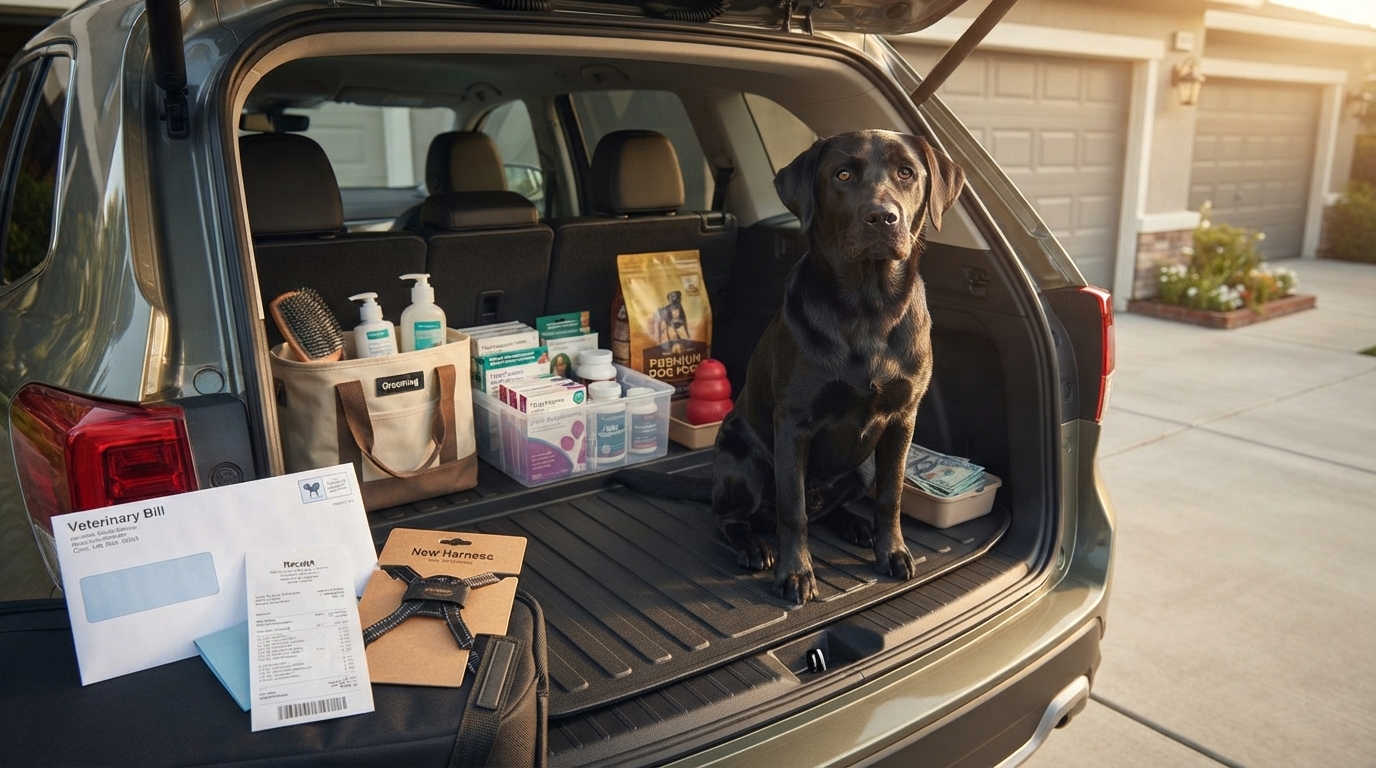
A solid monthly dog budget checklist should cover predictable basics (food, preventatives, grooming) plus a cushion for the not-so-predictable (vet visits, medication changes, or sudden repairs to your supply stash). The goal is to avoid getting surprised by routine costs that feel “random” only because they weren’t tracked.
1) Food and daily essentials
Include your dog’s main food (dry, wet, fresh, or prescription), plus everyday add-ons you buy regularly: treats, dental chews, poop bags, and training rewards. If you rotate formulas or buy in bulk, average the spend across months so your checklist stays realistic.
2) Flea, tick, and heartworm prevention
Monthly preventatives are one of the most common recurring costs. Even if you purchase a 6–12 month supply at once, budget it monthly by dividing the total so you’re ready when it’s time to restock.
3) Routine grooming and hygiene
Whether you use a professional groomer or do it yourself, track recurring items: grooming appointments, shampoo, ear cleaner, nail trims, toothbrush/toothpaste, and replacement brushes. For coated breeds, grooming can be one of the largest ongoing line items.
4) Veterinary care (monthly set-aside)
Most vet bills aren’t monthly, but your budget should be. Set aside a fixed amount for annual exams, vaccines, fecal tests, and periodic lab work, plus likely “in-between” visits. This also helps cover unexpected add-ons like skin infections, upset stomach visits, or new prescriptions.
5) Insurance or emergency savings
If you have pet insurance, include the premium and any typical out-of-pocket costs like deductibles, co-pays, or non-covered services. If you don’t have insurance, build an emergency fund line item instead—consistency matters more than the exact amount.
6) Boarding, daycare, and pet sitting
If you travel or work long days, average these costs monthly even if you only use them occasionally. Include deposits, holiday rate spikes, and required vaccines for boarding facilities.
For a more detailed checklist (including monthly vs. annual planning and vet-cost breakdowns), see the full guide: dog budget checklist for monthly and annual costs.
FAQ
How much should you set aside each month for unexpected dog costs?
Aim for a consistent emergency line item that fits your situation—often enough to cover at least one unplanned vet visit and basic medication. Many owners start small and increase the amount after any surprise expense highlights a gap.
















Leave a comment