Smart Fuel Saver Devices: Do They Work or Waste Money?
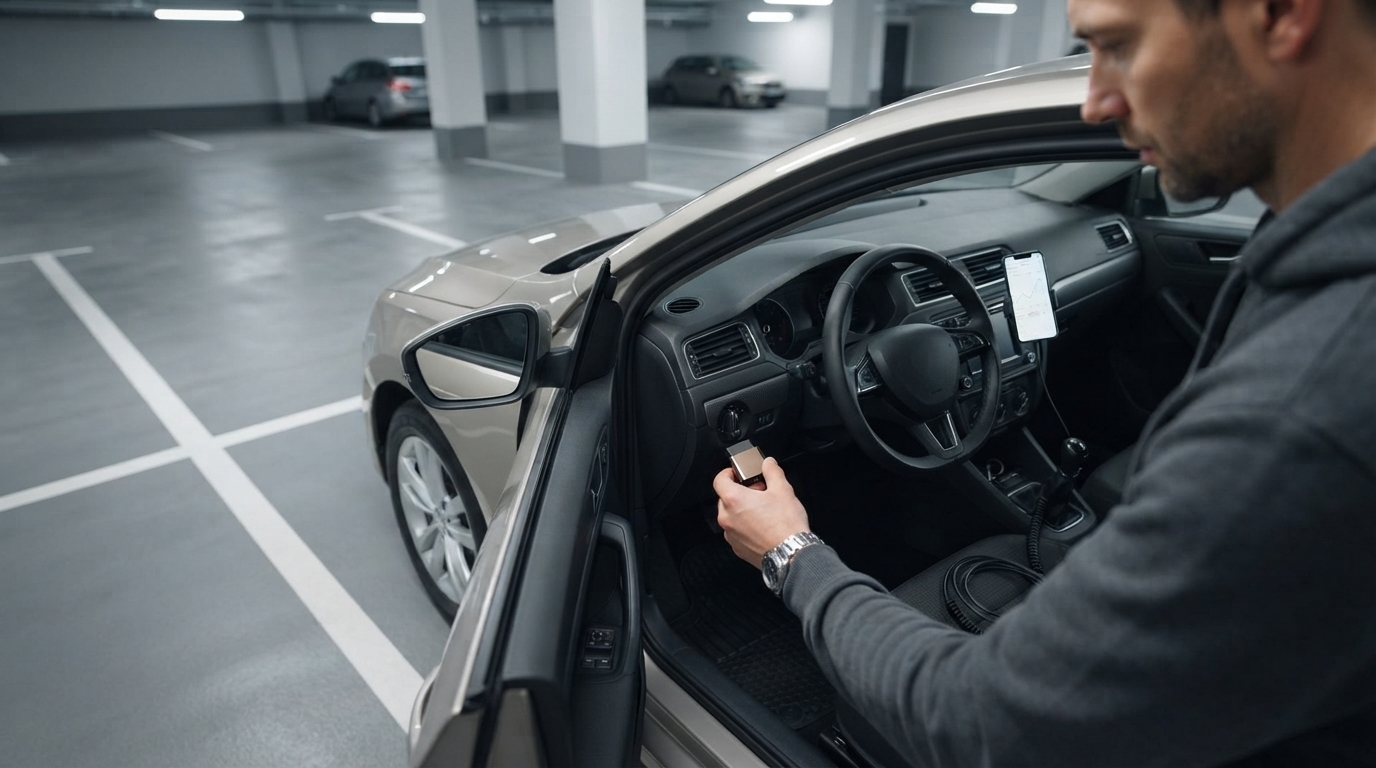
Does the smart fuel saver really work?
“Smart fuel saver” can mean anything from a plug-in device that promises to “optimize” your car, to a driving app, to a simple set of habits that reduce fuel use. Whether it really works depends on which one it is—and what it’s actually changing.
Plug-in “fuel saver” gadgets: usually not worth it
Many smart fuel saver gadgets plug into the OBD-II port or connect to the battery and claim they can improve mileage by changing engine timing or “stabilizing” voltage. In modern vehicles, the engine control unit already manages fuel and spark precisely using sensor data. A cheap add-on typically can’t override that system in a meaningful way, and big mileage claims are a red flag. At best, these devices may act as basic scanners that display data; at worst, they can create electrical issues, trigger warning lights, or mask real problems.
Smart fuel-saving that does work: apps + planning + driving technique
The “smart” approach that consistently reduces fuel use is behavioral and practical: planning stops, keeping speeds steady, reducing idling, and staying on top of basic maintenance. Small percentage improvements add up quickly on long drives. Trip planning tools can help you avoid traffic-heavy routes, unnecessary detours, and expensive fuel stops, while reminders can help keep tire pressure and load in check.
How to tell if something is working
Use a simple before-and-after test over multiple tanks. Fill up at the same pump when possible, reset your trip meter, and track miles driven versus gallons added. Compare results over at least two to three fill-ups under similar driving conditions. If the “saver” only shows improvements on the dashboard readout but not at the pump, it’s not delivering real savings.
Better alternatives to gamble-free savings
If the goal is reliable fuel savings, focus on what can be controlled: smooth acceleration, maintaining highway speed (not racing between lights), minimizing roof racks when not needed, and planning refuel points. For a practical, step-by-step approach, use this road-trip fuel checklist and stop-planning guide: https://supremechoiceden.shop/guide-fuel-smart-road-trip-checklist-plan-stops-save-gas/.
FAQ
What driving habit saves the most gas on road trips?
Keeping a steady speed and avoiding rapid acceleration/braking typically delivers the biggest real-world savings. Pair it with reduced idling and properly inflated tires for a noticeable improvement over a full trip.














Leave a comment