Style That Moves With You: Smart Wardrobe Outfit Formulas
Style That Moves With You: Modern Trends, Smart Wardrobes, and Effortless Outfit Formulas
Modern style works best when it keeps up with real life—commutes, errands, meetings, travel, and last-minute plans. The most wearable trends right now focus on comfort, movement, and versatility, making it easier to build outfits that look polished without feeling fussy. Instead of chasing “perfect” outfits, the goal is a wardrobe that adapts: pieces that mix easily, feel good for long days, and still look intentional from morning to night.
What “style that moves with you” looks like in everyday life
Wearable style is less about having more clothes and more about having the right kinds of clothes. Start with ease: breathable fabrics (cotton, linen blends), stretch where you need it (ponte, quality knits), comfortable footwear, and layers that can handle temperature swings.
Next is versatility—items that can read casual or refined with a single swap. A relaxed blazer over a tank can go from coffee run to meeting just by switching sneakers to loafers and adding a structured bag. Silhouettes matter too: think relaxed tailoring, fluid skirts, wide-leg trousers, and dresses with forgiving fits that don’t restrict movement.
The biggest shortcut is to build around repeatable outfit formulas. When you know two or three combinations always work, getting dressed becomes faster, and the wardrobe feels bigger without adding clutter.
Wearable modern trends that translate to a real wardrobe
Some trends look great on a mood board but fall apart in day-to-day life. The ones worth keeping are the trends that improve comfort and versatility while still looking modern.
- Relaxed tailoring: softer blazers, roomier trousers, and matching sets that look intentional while staying comfortable.
- Elevated basics: tees, tanks, knit tops, and button-downs that hold their shape and layer cleanly.
- Wide-leg and straight-leg bottoms: balanced proportions that work with sneakers, loafers, or heels.
- The sneaker-to-loafer range: clean sneakers and polished flats that support long days without sacrificing style.
- Texture as the “extra”: denim, knits, linen blends, and subtle sheen to make neutral outfits feel rich.
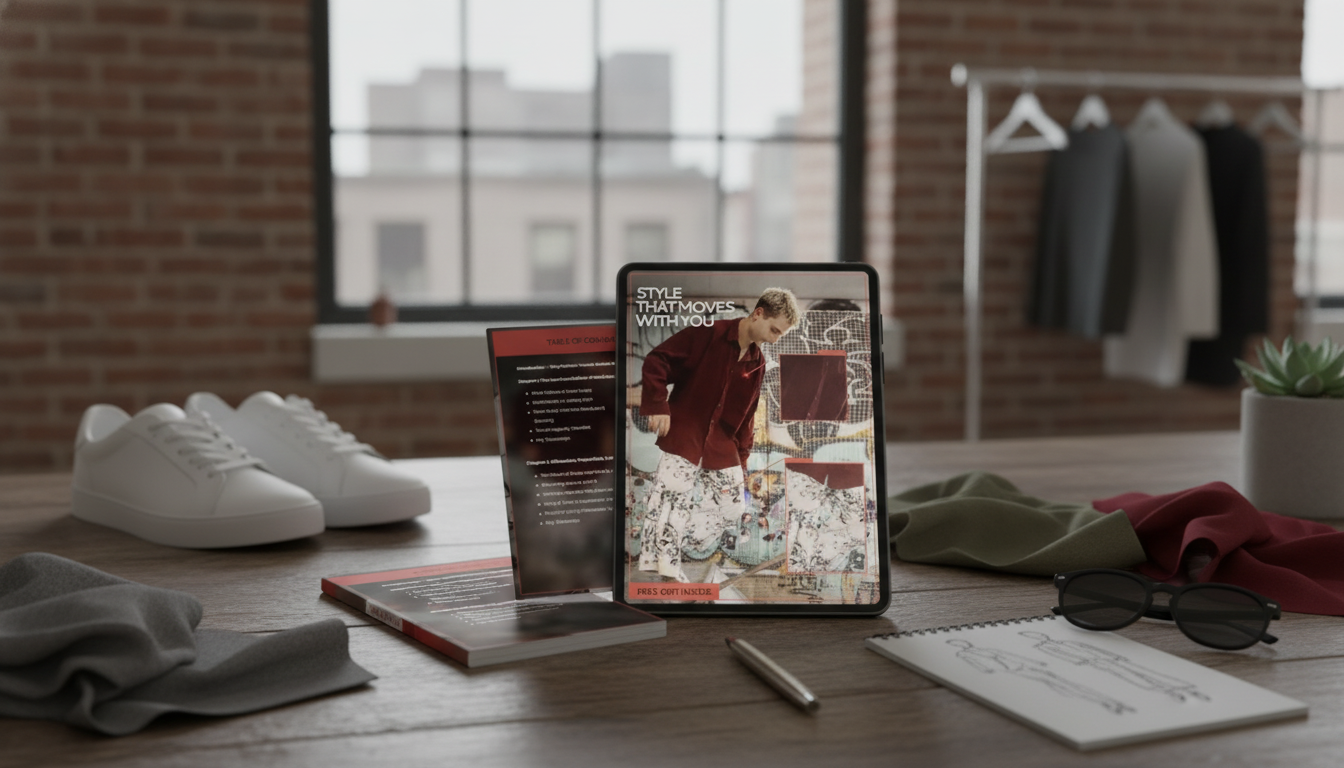
For a practical trend-to-life approach, a structured guide like the Style That Moves With You eBook can help translate what’s current into outfits that match your routines, comfort preferences, and personal style.
A smart wardrobe starts with a “core color map”
A color map is the easiest way to make more outfits with fewer pieces. Pick 2–3 core neutrals that mix effortlessly (black + cream + camel, or navy + gray + white). Then add 1–2 accents you genuinely like wearing—colors that repeat across tops, accessories, and outerwear so they feel cohesive instead of random.
For accessories, keeping metal tones consistent (mostly gold or mostly silver) makes everything interchangeable. Prints work best when they’re strategic: one or two repeatable prints (a stripe, micro-check, or small floral) that pair with your core neutrals.
| Style mood | Core neutrals | Accent colors | Best easy print |
|---|---|---|---|
| Clean and modern | Black, white, gray | Cobalt or cherry | Stripe |
| Warm and soft | Cream, camel, chocolate | Olive or rust | Leopard or micro-floral |
| Classic and cool | Navy, white, denim | Burgundy or forest | Check |
Effortless outfit formulas for busy mornings
Outfit formulas remove decision fatigue. Keep the base simple, then add one “signal” piece that sets the vibe—strong shoe, bold lip, statement earring, or standout bag (only one at a time for a clean look).
- Formula 1: Relaxed blazer + fitted tee/tank + wide-leg trousers + sleek sneaker or loafer.
- Formula 2: Button-down (tucked or half-tucked) + straight-leg jeans + belt + structured bag.
- Formula 3: Knit set (top + skirt/pants) + long coat or cardigan + minimal jewelry.
- Formula 4: Midi dress + denim jacket or blazer + comfortable flats.
| Base piece | Add-on layer | Shoe option | Instant upgrade |
|---|---|---|---|
| Wide-leg trousers | Relaxed blazer | Loafers | Structured tote + gold hoops |
| Straight-leg jeans | Button-down | Clean sneakers | Belt + watch |
| Midi dress | Denim jacket | Ballet flats | Tailored crossbody |
| Knit set | Long coat | Ankle boots | Monochrome color styling |
If a hands-free day is non-negotiable, a sleek backpack can keep the outfit functional without looking overly sporty. The Calvin Klein black print backpack is an easy match for a black/white/gray palette and works well with relaxed tailoring or denim.
Fabric and fit cues that make outfits look expensive (without extra effort)
A small accessories system that does the heavy lifting
Keeping trends sustainable: buy less, wear more, style smarter
For more on industry-wide sustainability efforts, explore Fashion Revolution and the CFDA sustainability resources.
A guided shortcut: trend updates + smart wardrobe planning in one place
Having a plan makes style feel simpler. A structured wardrobe guide can help connect modern trends to daily life—core pieces, color coordination, repeatable formulas, and the finishing details that create consistency. The Style That Moves With You eBook is a practical option for building outfits that feel current without constant shopping.
FAQ
How many pieces are needed for a smart wardrobe that still feels current?
For many people, around 25–40 core pieces (not counting workout or lounge) is enough when the color map is cohesive and the outfits are built from repeatable formulas. The right number depends on lifestyle, climate, and how formal your daily dress code is.
What’s the easiest way to try a new trend without buying a whole new wardrobe?
Start with styling swaps: change the shoe, bag, jacket, or jewelry, and keep everything else familiar. Try one trend at a time, and recreate the silhouette with pieces you already own before deciding whether it’s worth purchasing.
How can outfits look polished while staying comfortable all day?
Use relaxed tailoring, breathable/stretch fabrics, and supportive shoes, then balance proportions with a tuck or a defined waist. Finish with one simple upgrade—like a belt, structured bag, or neat grooming—to make comfort look intentional.









Leave a comment