Pet Tarantula Feeding Checklist: Safe, Stress-Free Routine
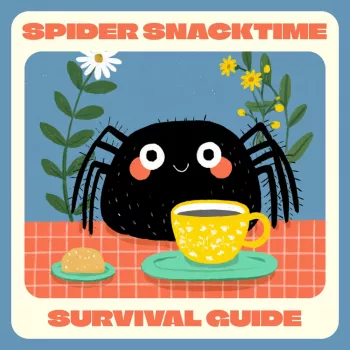
Spider Snacktime Survival Guide: A Simple Feeding Checklist for Pet Tarantulas and Insect-Eating Spiders
Feeding a pet spider is less about “how often” and more about consistency, safety, and reading behavior. A clear routine helps prevent stress, escaped feeders, uneaten prey problems, and dehydration mistakes—especially for beginners. This guide breaks down a practical feeding workflow, common pitfalls, and a printable checklist approach that fits daily care for tarantulas and other insect-eating spiders.
What “normal” feeding looks like for pet spiders
“Normal” appetite can look surprisingly inconsistent—especially to new keepers. Species, age, enclosure temperature, season, and the molt cycle all affect whether a spider accepts food. Skipping meals can be completely typical, and it’s often healthier to track patterns than to push prey on a strict calendar.
- Appetite shifts with age and metabolism; many adults eat less often than juveniles.
- Refusing food may indicate premolt, stress from enclosure changes, or prey that’s too large/too active.
- Hydration and stable conditions often matter more than forcing frequent meals.
- The goal is simple: offer appropriate prey, remove leftovers, and log what happens so changes stand out early.
Prey basics: size, type, and safety rules
Feeding success starts with safe prey. When in doubt, choose smaller feeders and prioritize consistency over variety. For many tarantulas and common captive spiders, a practical sizing guideline is prey that’s roughly no longer than the spider’s abdomen (or smaller for cautious feeding and tiny juveniles).
- Go smaller if unsure: oversized prey can stress a spider or be ignored.
- Use captive-bred feeders: avoid wild-caught insects that may carry pesticides or parasites.
- Common options: crickets, roaches (like dubia), and carefully offered mealworms/superworms (some can burrow or stress certain setups).
- Prevent feeder injuries: crickets (and some roaches) can bite or harass a resting or molting spider—avoid leaving them overnight unless you’re confident it’s safe for the species and situation.
- Gut-load feeders: well-fed feeders improve nutrition; remove moldy foods promptly from feeder bins.
For broader husbandry and welfare context, consult reputable organizations like the British Tarantula Society (BTS), the RSPCA, and the American Arachnological Society.
A practical feeding cadence by life stage and situation
Instead of chasing an “exact” schedule, aim for a steady offering rhythm and let the spider’s behavior guide you. Spiderlings and juveniles often accept food more frequently than adults, but even young spiders may pause before molts or during cooler periods.
| Situation | What to do | What to avoid |
|---|---|---|
| Active spiderling/juvenile | Offer small prey on a steady schedule and track acceptance | Oversized prey; leaving aggressive feeders unattended |
| Active adult | Offer appropriately sized prey, observe response, remove leftovers | Feeding just because the calendar says so if the spider is refusing |
| Premolt signs | Pause feeding, ensure clean water and stable conditions | Trying multiple prey types every day; handling |
| Post-molt | Wait until hardened, then start with smaller prey | Feeding too soon; stressing the spider with enclosure changes |
Common premolt signals include reduced appetite, darker coloration, reduced activity, and changes in webbing or “hangout” behavior. After a molt, the spider’s fangs and exoskeleton need time to harden—larger spiders typically need longer. When feeding resumes, starting with smaller prey reduces risk.
Step-by-step “snacktime” routine that reduces stress and mess
A repeatable routine prevents most beginner feeding problems: escapee crickets, buried worms, uneaten prey lingering too long, and missed hydration.
- Pre-check: confirm a clean water source is available, ventilation is adequate, and temperatures/humidity are within the species-appropriate range.
- Select prey: choose the right size and a healthy feeder. Avoid weak or dying feeders that may foul the enclosure quickly.
- Offer calmly: use tongs when appropriate, or place prey where the spider can detect it without being startled (often near the web or along a typical walking path).
- Short observation window: watch briefly for interest. If the spider ignores prey, remove it after a reasonable period so the spider can settle.
- Leftover management: remove uneaten prey and boluses (discarded food remains) to reduce mites, odor, and mold risk.
- Record the outcome: log date, prey type/size, whether it was accepted, and any notes (premolt signs, stress, enclosure changes).
Troubleshooting: refusal, stress, and common feeding mistakes
Most “feeding problems” are really environment or timing problems. If a spider refuses food, think like a detective and change one variable at a time.
Using a printable checklist to stay consistent (especially for beginners)
If you want a ready-to-print format, Spider Snacktime Survival Guide – printable feeding checklist (digital download) is designed to make the routine repeatable across multiple enclosures.
Care add-ons that support healthy feeding
For keepers who like a digital tracking flow alongside paper logs, AI Tools to Organize Your Life Guide – Ultimate Daily Planner Companion (Digital Download) can help structure reminders for water refreshes, feeder orders, and cleanup days.
FAQ
How often should a pet tarantula be fed?
Many juveniles eat more often than adults, but frequency varies by species, temperature, and molt cycle. Offer on a steady rhythm, track whether meals are accepted, and don’t force feeding during refusals—especially around premolt.
Should uneaten crickets be removed from a spider enclosure?
Yes in most cases, because crickets can stress or injure a resting or molting spider, and they may hide, burrow, or contribute to mold/mites if they die. Watch briefly after offering, then remove uneaten feeders within a reasonable window—be extra cautious during premolt and post-molt.
How long after a molt can a tarantula eat?
Wait until the fangs and exoskeleton harden; larger spiders typically need longer than smaller ones. When feeding resumes, start with smaller prey to reduce risk and confirm the spider is fully recovered.















Leave a comment