Sensitive Skin Face Routine: Gentle Products That Work
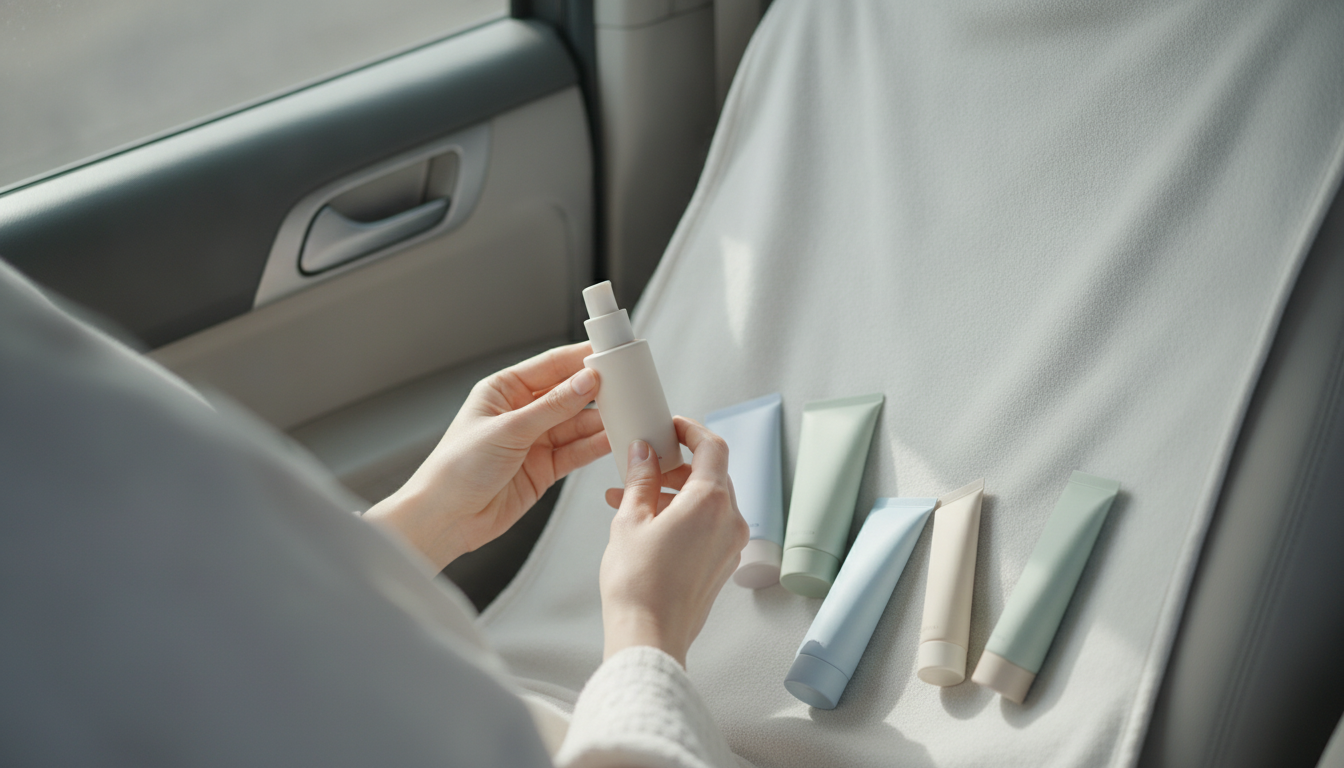
What should I use on my face if I have sensitive skin?
If your face reacts easily—stinging, tightness, redness, or sudden dry patches—stick to a simple routine built around gentle, fragrance-free basics. Look for products labeled for sensitive skin and focus on calming ingredients that support the skin barrier rather than “active-heavy” formulas that can overwhelm it.
Start with a mild, non-stripping cleanser
Choose a cleanser that’s sulfate-free and fragrance-free, ideally a creamy or gel formula that rinses clean without leaving your skin tight. Avoid scrubs and cleansing brushes while your skin is reactive.
Use a barrier-supporting moisturizer
A good sensitive-skin moisturizer should reduce water loss and help your barrier recover. Ingredients that are often well-tolerated include ceramides, glycerin, squalane, and panthenol. If your skin is very reactive, pick a shorter ingredient list to reduce the chance of irritation.
Add a soothing serum only if needed
If you want an extra step, keep it targeted and gentle. Niacinamide (at moderate levels), colloidal oatmeal, aloe (in simple formulas), and centella asiatica can help calm visible redness and discomfort. Skip strong acids, harsh retinoids, and high-percentage vitamin C until your skin feels stable.
Wear mineral sunscreen daily
UV exposure can worsen sensitivity and redness. Many people with sensitive skin prefer mineral sunscreens with zinc oxide and/or titanium dioxide, especially when they’re fragrance-free and alcohol-free. Apply every morning and reapply if you’re outdoors.
Patch test and minimize triggers
Introduce one new product at a time and patch test on a small area for a few days. Common triggers include fragrance, essential oils, denatured alcohol, and over-exfoliation. For a quick ingredient checklist focused on redness relief, visit this sensitive-skin guide.
FAQ
How can I tell if my skincare is irritating my skin?
Watch for burning, stinging, increased redness, new flaking, or bumps that appear soon after applying a product. If symptoms repeat with the same item, stop using it and simplify your routine until your skin settles.
















Leave a comment