Eat Like a Local: How to Find Authentic Food Anywhere
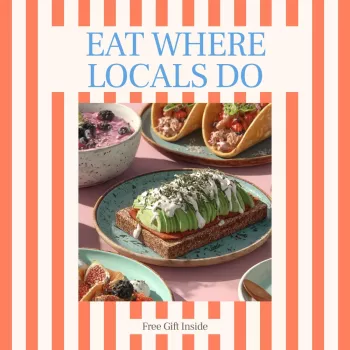
Culinary Secrets: Eat Where Locals Do
Great meals rarely sit under the brightest signs or the most crowded photo ops. Finding truly local food is a skill: part observation, part respectful curiosity, and part smart planning. The good news is that you can learn repeatable moves—so each neighborhood walk, market stop, and late-night craving leads to food that feels rooted in place rather than designed for passersby.
Start with the neighborhood rhythm, not the landmark map
Instead of plotting meals around attractions, follow where everyday life gathers. Residential blocks near schools, commuter-heavy transit hubs, lunchtime business districts, and mixed-use streets (groceries, pharmacies, cafés) tend to feed locals because locals are the built-in customer base.
- Time it like a regular: breakfast near commuter routes, lunch around offices and universities, dinner where families settle in, and late-night food near nightlife—but usually a few streets away from the loudest strip.
- Walk before you choose: do one main street and two side streets. The best bowls, slices, and stews often sit just outside the obvious cluster.
- Read small cues: steady foot traffic that looks local (work badges, school uniforms), takeout containers in hand, and repeat customers greeted by name.
Use digital tools like a local, not a collector
Apps can help, but the goal isn’t a trophy list—it’s a reliable meal. Search with the same specificity locals use: by dish, neighborhood, and language.
- Search in the local language and include dish names rather than “best restaurant.” Try “menudo,” “khachapuri,” or “laksa” plus the neighborhood.
- Filter for recent reviews and read negative ones first. Complaints like “no English menu,” “cash only,” or “slow service” may signal an older, local-first place rather than poor quality.
- Look for consistency over time: steady patterns beat sudden rating spikes that feel campaign-driven.
- Use photos for context: laminated menus, simple plating, busy takeaway counters, and normal portion sizes for the cuisine are often better signs than novelty “wow” plates.
- Cross-check two platforms (maps plus a local food app/blog) to avoid single-source hype.
Spot the signals: what usually separates local favorites from tourist traps
Local favorites often optimize for repeat business: speed, focus, and dependable flavor. Tourist traps often optimize for maximum variety and visibility. Use these quick checks to decide fast.
Quick authenticity check: common signs and what they may mean
| What you notice | Often suggests | How to verify fast |
|---|---|---|
| Short menu centered on a few dishes | Specialty cooking and repetition-driven quality | Check if most tables order the same 2–4 items |
| Lines at specific times, quiet otherwise | Local routine (workday lunch, family dinner) | Return 30–60 minutes earlier or later to compare |
| No aggressive street host, minimal signage | Business relies on repeat customers | Look for locals walking in confidently |
| Photos show simple plating and steady takeaway | Food made for flavor over theatrics | Read reviews for consistency across months |
| Menu in one language or with limited translations | Primarily serves locals (not always a guarantee) | Ask politely for recommendations; see how staff responds |
| Cash-only or basic payment setup | Lower overhead, older establishments | Confirm payment before ordering; have backup cash |
Also watch for practical realities: limited hours, “sold out” signs, or a small dining room built for turnover rather than lingering. Pricing can be a clue too—combo lunches near offices, family-style portions in residential areas, and modest markups where regulars would notice.
Ask better questions: the respectful way to get real recommendations
The fastest shortcut to authentic food is a good question asked the right way. Keep it specific, dish-forward, and respectful of someone’s time.
- Skip “Where should a tourist eat?” Ask: “Where do you go after work?” or “What’s your go-to dish around here?”
- Ask people who serve locals all day: baristas, market vendors, bookstore staff, rideshare drivers, hotel maintenance staff, and conference coworkers.
- Use dish-first prompts: “Where’s the best [dish] nearby?” tends to produce clearer answers than “best restaurant.”
- Follow up with: “What should I order there?” A confident, immediate answer is a strong sign.
- Show respect: learn basic greetings and thanks, and avoid filming staff or customers without permission.
Markets, bakeries, and counters: the fastest path to local flavor
If you only have one hour to “eat like a local,” start where locals shop. Markets and bakeries reveal what people actually crave—and they often point to nearby counters that cook those ingredients best.
Order like a regular: simple tactics that reduce guesswork
For basic dining and travel food safety reminders—especially when trying street food or markets—review the CDC’s guidance here: Centers for Disease Control and Prevention – Food safety (travel and dining basics).
A practical companion for finding non-touristy food
- Culinary Secrets: Eat Where Locals Do – Ultimate Guide on How to Find Authentic Food Spots Not Touristy
- AI Tools to Organize Your Life Guide – Ultimate Daily Planner Companion
- Calvin Klein Black Print Backpack with Zip
And when you’re curious how global dining guides weigh quality and consistency, the selection approach used by the MICHELIN Guide is a helpful reference point: MICHELIN Guide – How restaurants are selected.
FAQ
How can a great local place still have high ratings from visitors?
Visitors can absolutely find authentic places; high ratings aren’t the problem. Look for consistency over months or years, a focused menu, and signs of repeat customers—those clues matter more than who wrote the reviews.
What’s the best time of day to find where locals eat?
Try lunch in business districts, early breakfast near commuter routes, and early dinner in residential neighborhoods. Market mornings are also a reliable window into everyday local food.
How do you avoid ordering the one item that isn’t good?
Order the house specialty, watch what most tables are eating, and ask “What’s most popular today?” Avoid places with overly broad menus spanning multiple cuisines, since quality often gets diluted.















Leave a comment