1 Ton Jack Cost: Typical Prices by Type
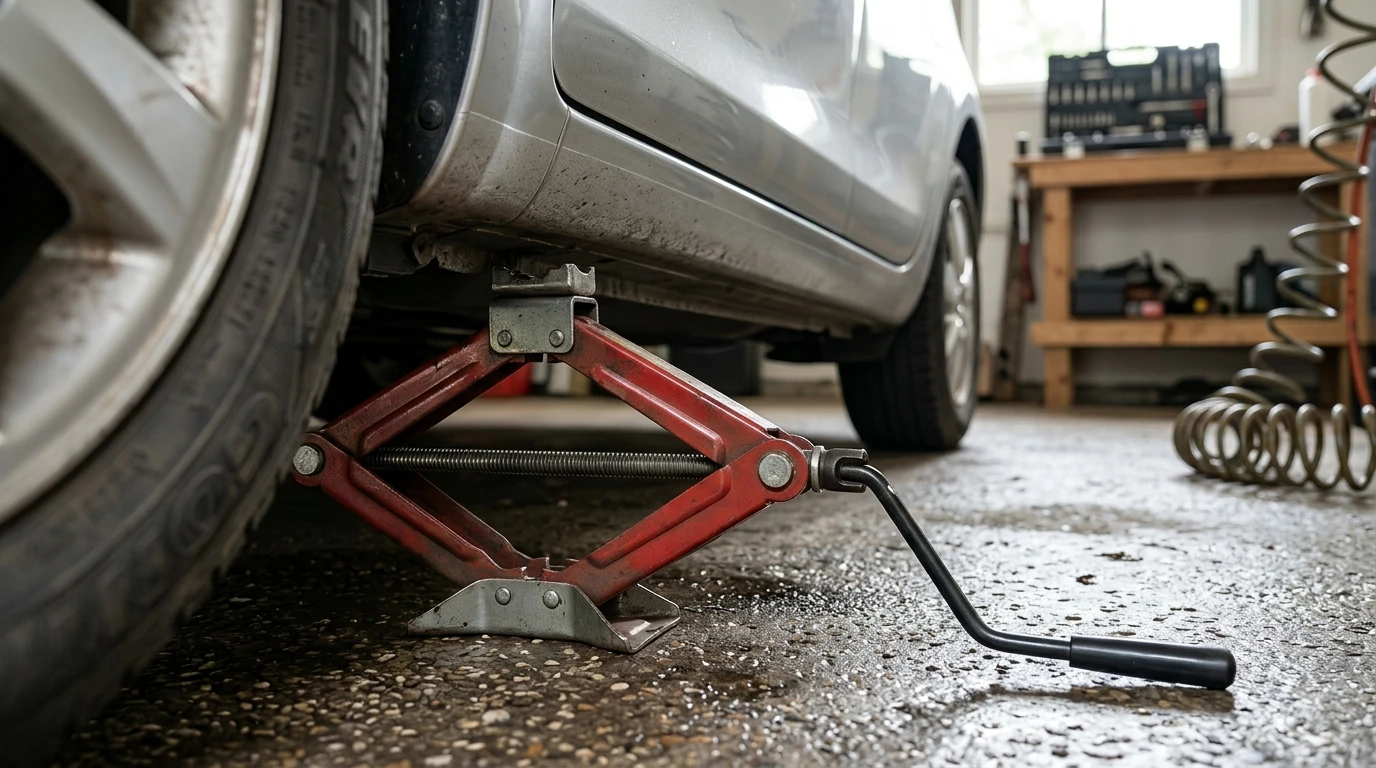
How much does a 1 ton jack cost?
A 1 ton jack typically costs about $15 to $60 for most shoppers, with the exact price depending on the jack style (scissor, small hydraulic bottle, or compact floor jack), build quality, and included features. In our experience, the lowest-priced options are usually basic scissor jacks intended for occasional emergency use, while heavier-duty hydraulic designs and better materials push the price upward.
Typical price ranges by jack type
Scissor jacks: often land around $15–$35. They’re compact and common in roadside kits, but they lift slowly and require more effort.
1 ton hydraulic bottle jacks: commonly run $20–$45. They’re generally easier to lift with and feel sturdier than most scissor designs, but need solid, level support under a small base.
Compact 1 ton floor jacks: often fall in the $40–$60 range. You’re usually paying for easier rolling positioning and smoother lifting, but these can be bulkier to store.
What changes the price
Price climbs when you get better seals and machining (less leak risk), a more stable base, a smoother pump, higher minimum/maximum lift range, and included accessories like a carry case or extension screw. A well-made saddle and a controlled release valve also matter because they help you lift and lower more predictably.
Choosing the right 1 ton jack for your job
For a small car in an emergency, a scissor jack may be acceptable, but for routine maintenance, many people prefer a 1 ton hydraulic jack for reduced effort. If you’re lifting one corner, remember you’re not lifting the full vehicle weight—still, capacity is not the only safety factor. Use the jack only on a hard, level surface, lift at the manufacturer-approved lift point, and support the vehicle with jack stands before working underneath.
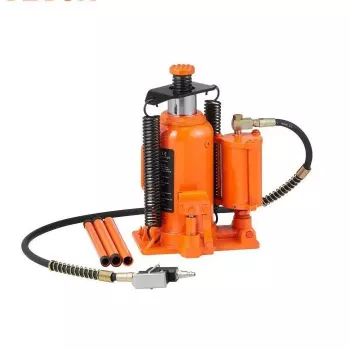
If you’re stepping up to heavier lifting, our team also put together a detailed guide on air hydraulic bottle jacks that covers specs, safety, and practical use. Read it here: https://supremechoiceden.shop/guide-20-ton-air-hydraulic-bottle-jack-specs-safety-use/
FAQ
Is a 1 ton jack enough for lifting an SUV?
Usually not for safe, routine work on an SUV; most SUVs benefit from a higher-capacity jack and properly rated jack stands. Even if you’re lifting one corner, the added height, weight distribution, and stability needs often justify moving up in capacity.















Leave a comment