Adult Board Game Night Guide: Strategy, Party & Co-op

Guide to Board Games for Adults: Strategy, Party, and Cooperative Game Nights
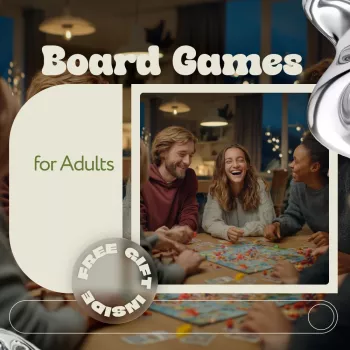
Adult game nights run smoother—and feel more memorable—when the games fit the group, the vibe, and the time you actually have. Modern board games tend to fall into a few “experience lanes”: strategy games for thoughtful decisions, party games for quick laughs and easy participation, and cooperative games for shared wins without lingering table grudges. The sections below help match the right type of game to your night, then keep everything moving with simple hosting habits and a small, reliable “game shelf” you can reach for anytime.
Start With the Night You Want: Mood, Time, and Group Size
Before choosing titles, lock in a target playtime and the exact player count. Many games say “2–6,” but the best experience often lives at a specific number—especially at 3, 4, or 5 players. Complexity matters too: lighter rules shine on weeknights, while deeper strategy pays off when everyone planned ahead and arrives ready to learn.
A practical rhythm for most adult gatherings is: 15–20 minutes to arrive and settle, one shorter opener to warm up, then a main game that matches the mood—laughter, puzzle-solving, competition, storytelling, or a team victory.
Quick Match Guide: Pick a Game Type That Fits the Group
| Game type | Best for | Typical playtime | When it shines | Watch-outs |
|---|---|---|---|---|
| Party | 6–12 players, mixed experience | 20–45 min | Icebreakers, birthdays, casual hangouts | Can fall flat if the group dislikes acting/guessing |
| Cooperative | 2–6 players, teamwork-focused | 45–120 min | Reducing table rivalry, shared wins, story nights | Alpha-player risk; choose games with hidden info or roles |
| Strategy (Euro/engine-building) | 2–5 players, repeat groups | 60–150 min | Regular game nights, deeper decisions, replayability | Teaching time; consider a lighter opener first |
| Deduction/hidden roles | 5–10 players, social groups | 15–60 min | High energy, big tables, dramatic reveals | Player elimination can be rough; choose no-elimination variants when possible |
| Two-player head-to-head | 2 players, couples/friends | 20–90 min | Weeknights, travel, cafés | Skill gaps matter more; pick games with catch-up or varied paths |
Strategy Games Adults Keep Coming Back To
Strategy games work best when every turn asks a real question: build an engine, pressure an area, invest in an economy, or pivot your plan as the board changes. Games with a clear arc—setup, growth, endgame scoring—help newer players feel momentum instead of confusion.
How to pick the right weight
- Shorter and lighter (60–90 minutes): Great for mixed experience groups and weeknights; look for simple actions and fast turns.
- Deeper and longer (90–150 minutes): Best for a consistent crew that enjoys planning, table talk, and replaying the same game to improve.
To reduce downtime, favor designs with simultaneous choices, quick action turns, or rules that keep the “first player” advantage rotating. When teaching, start with the win condition, then explain the core loop of a turn, and save exceptions for when they appear.
For player-count guidance and community-tested “best at” recommendations, BoardGameGeek is a useful reference point alongside review roundups from The Dice Tower.
Party Games That Don’t Get Awkward
The best party games for adults prioritize momentum: quick rounds, simple scoring (or no scoring), and instant “run it back” energy. A good party pick also avoids putting anyone on the spot in a way that feels personal or uncomfortable. If the group is new or mixed—coworkers, neighbors, friends-of-friends—team formats help a lot by sharing the pressure.
Make party games feel effortless
Cooperative Games for Shared Wins (and Less Table Tension)
Avoid the “one person plays for everyone” problem
Campaign-style co-ops shine on planned story nights, while stand-alone scenarios are better for casual gatherings where attendance varies. Community programs and libraries often use co-ops to build inclusive tables; the American Library Association’s games resources highlight how structured play helps groups feel welcome and engaged.
How to Host a Smooth Adult Game Night
Table norms that keep it friendly
If you want a simple, printable way to keep the vibe confident (not competitive in a tense way), Confidence, Not Ego – Checklist to Understand Confidence vs Ego Explained Simply is a handy add-on for hosts who like clear, no-drama group expectations.
Build a Mini “Game Shelf” That Covers Every Situation
A Ready-to-Use Resource for Planning Picks and Themes
For a grab-and-go planning toolkit, Guide to Board Games for Adults – Ultimate Ebook of Board Games Ideas for Adults, Strategy, Party & Cooperative Game Nights organizes ideas so picks feel fast and intentional.
And since adult game nights are as much about people as rules, a small social “upgrade” can help the table feel warmer—The Art of a Real Compliment: How to Give a Genuine Compliment in Every Situation pairs surprisingly well with hosting when you want encouragement to land naturally after a close game.
FAQ
What are the best board games for adults who don’t usually play board games?
Start with light-to-medium games that have short turns, clear goals, and a playtime under an hour. Party games and cooperative games tend to be the easiest on-ramp because the table can learn together without feeling “behind.”
How many board games should be planned for one game night?
A reliable plan is one short opener plus one main game, with an optional filler only if time remains. Build in teaching time—new groups often need an extra 10–20 minutes for rules and the first round.
How can a group avoid one person taking over in cooperative games?
Pick co-ops that use hidden information, distinct roles, or timed phases so each player owns decisions. Limiting table talk, rotating the “planner,” and giving everyone a protected action each round also keeps teamwork balanced.















Leave a comment