Warm Skin Tones in Black: Best Shades & Styling Tips

Can warm skin tones wear black clothing?
Yes—warm skin tones can absolutely wear black. The key is choosing the right black (and the right styling) so it complements your undertone instead of making your complexion look dull, shadowed, or overly contrasted.
Why black can look “off” on warm undertones
Many warm complexions have golden, peach, or olive warmth that pairs naturally with earthy and sunlit colors. A stark, inky black can feel cooler and harsher by comparison, especially when it sits close to the face. If the fabric is very flat and matte, it can emphasize under-eye shadows or make skin look a bit sallow—particularly for low-contrast warm coloring.
How to make black flattering on warm skin tones
Start with the black that’s easiest on your coloring. Softer blacks—like washed black, charcoal-black, or “blackened” browns—tend to feel more harmonious than jet black. Texture also matters: rib knits, suede, leather, or heathered fabrics break up the intensity and look less severe than a smooth, matte black tee.
Next, adjust placement. If black near your face feels too stark, move it away: choose black pants, skirts, or shoes and wear a warm-toned top. If you want a black top or dress, add warmth at the neckline with gold jewelry, a camel jacket, a warm scarf, or a neckline that creates space (V-neck, scoop, open collar).
Best pairing colors and accessories
Warm skin tones often look especially good with black when it’s paired with cream or ivory (instead of optic white), camel, chocolate, rust, warm denim, olive, or mustard. For metals, gold and bronze usually soften black beautifully. Makeup can also help: a warm blush, bronzer, or a brick/coral lip brings life back to the face when wearing darker clothing.
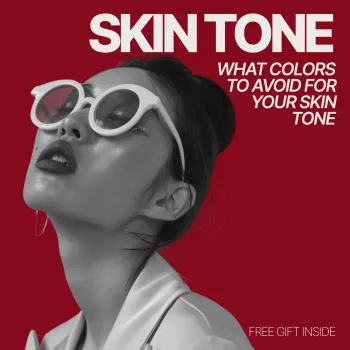
For more guidance on when certain colors might fight your undertone or contrast level, see the full guide here: colors to avoid for your skin tone, undertone, and contrast checklist.
FAQ
Is navy a better neutral than black for warm undertones?
Often, yes—especially softer navies or warm-leaning “ink” blues. Navy tends to look less harsh than jet black while still reading as a classic dark neutral.












Leave a comment