Balsamic Vinegar vs Stainless Steel: Safe or Reactive?
Does balsamic vinegar react with stainless steel?
Balsamic vinegar is acidic, so it can react with stainless steel under certain conditions—but most of the time it’s safe for brief contact. High-quality stainless steel is designed to resist corrosion, and a quick toss of salad greens in a stainless bowl or a short pour into a stainless serving dish usually won’t cause noticeable damage.
The bigger risk comes from prolonged exposure. Leaving balsamic vinegar (or a vinaigrette made with balsamic) sitting in stainless steel for hours, storing it overnight, or simmering it for extended periods in stainless cookware can slowly compromise the steel’s protective surface layer. When that happens, you may see faint discoloration, dull spots, or, in low-grade steel, tiny pits.
Why acidity matters with stainless steel
Stainless steel stays “stainless” because it forms a thin protective film on the surface. Acidic ingredients like balsamic vinegar can wear on that film over time, especially if the mixture also contains salt, which speeds up corrosion. Temperature and contact time are the two biggest factors: the hotter the acid and the longer it sits, the more likely you’ll notice a reaction.
How to use balsamic with stainless steel safely
For everyday serving and prep, stainless is a practical choice. Use it confidently for mixing, drizzling, and plating, then rinse promptly. If you’re reducing balsamic on the stove or marinating foods for hours, consider glass, ceramic, or enameled options for storage and long soaks.
- Don’t store balsamic vinegar or dressing in stainless containers.
- Wash soon after use; avoid letting residues dry on the surface.
- Avoid harsh scouring pads that can scratch and make future staining more likely.
Pairing the right serveware for acidic foods
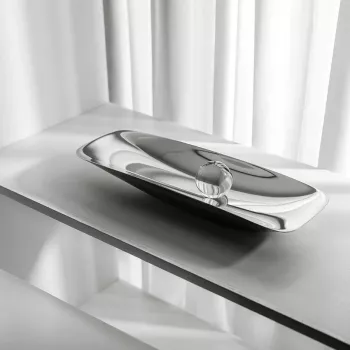
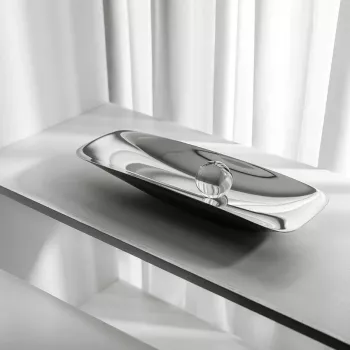
If you like a clean, modern look on the table but want to be mindful with acidic ingredients, choose stainless pieces primarily for presentation and short contact. For ideas on stylish stainless serveware and how it fits into an airy countertop setup, see this modern hollow stainless steel fruit plate guide.
FAQ
Can you store salad dressing in a stainless steel container?
It’s better not to. Acidic dressings (especially with vinegar and salt) can cause discoloration or pitting if left in stainless for long periods; glass or food-safe plastic is a safer choice for storage.














Leave a comment