Modern Hollow Stainless Steel Fruit Plate: Airy Counter Style
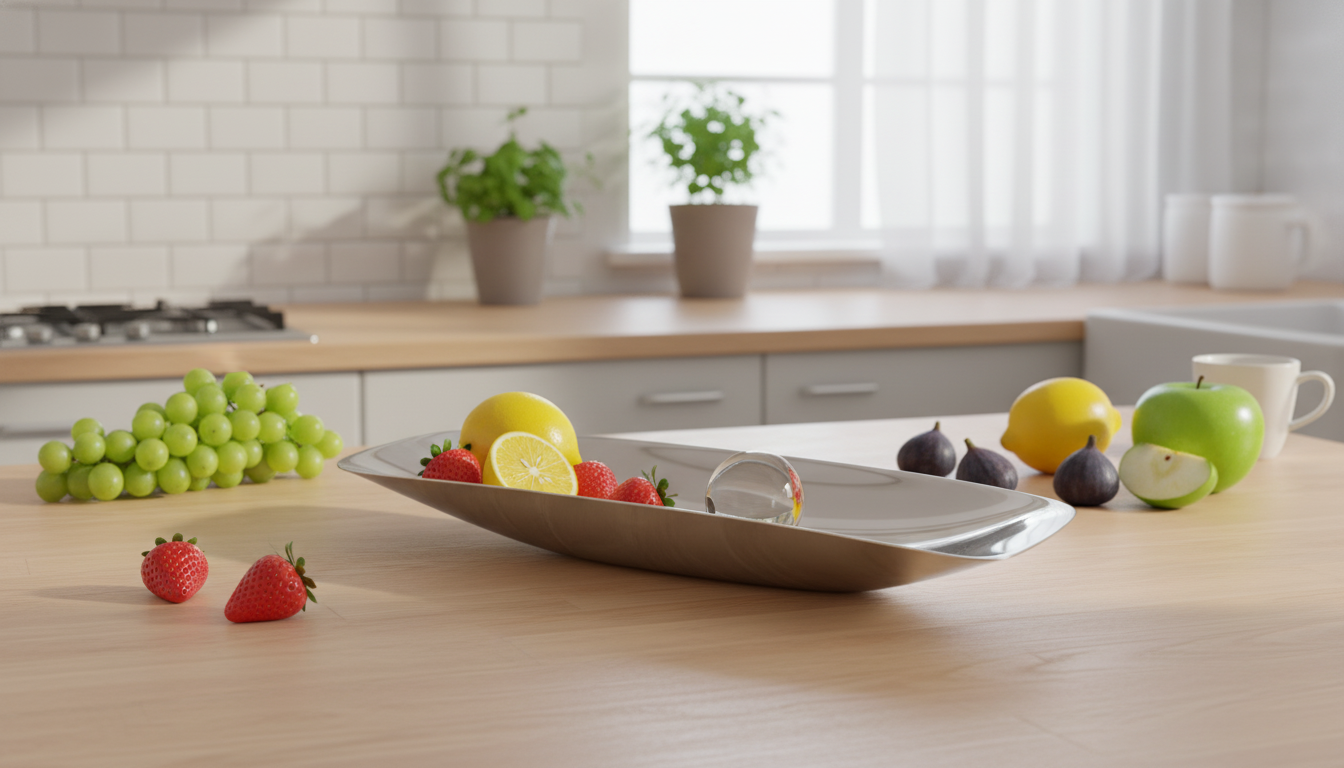
Modern Hollow Stainless Steel Fruit Plate: A Clean, Airy Way to Display What You Actually Eat
A hollow stainless steel fruit plate brings an airy, sculptural look to the table while keeping fruit visible and easy to grab. With a clean modern profile and durable metal construction, it works as a centerpiece, an everyday counter bowl, or a serving piece for gatherings—especially when paired with the right care and styling. The openwork design isn’t just decorative; it’s also practical for whole produce that benefits from a little breathing room.
What Makes a Hollow Fruit Plate Different
Unlike a solid bowl that holds everything in one enclosed pocket, a hollow/openwork fruit plate uses negative space as part of the design. That changes how it looks and how it functions in a kitchen.
- Openwork design promotes airflow around produce, which can help reduce trapped moisture on whole fruit.
- Light, modern silhouette that reads as decor even when empty.
- Easy to see what’s inside—useful for snack stations and family kitchens.
- Works beyond fruit: bread rolls, wrapped treats, or decorative fillers (dry items) for seasonal styling.
At-a-Glance Details
If the goal is a contemporary, low-fuss serving piece that still feels elevated, stainless steel with an open frame checks a lot of boxes. It’s especially well-suited for whole fruit, dry snacks, and countertop display.
- Designed as a modern serving and display piece for counters, dining tables, and buffets.
- Stainless steel is known for durability and a crisp, contemporary finish.
- Best used for whole fruit or dry snacks; use a separate bowl or liner for wet mixtures.
| Item | Details |
|---|---|
| Name | Modern Hollow Stainless Steel Fruit Plate |
| Price | 121.01 USD |
| Availability | In stock (173) |
| Material | Stainless steel |
| Style | Modern hollow / openwork design |
Where It Fits: Everyday Use to Entertaining
The best serveware earns a spot in daily life, not just on special occasions. A modern hollow fruit plate can move around the home depending on what needs to look tidy and inviting.
- Kitchen counter: Keep apples, citrus, or bananas accessible without cluttering the surface. The open design makes it easy to do a quick “what do we have?” glance.
- Dining table centerpiece: Pair with a runner or placemat to frame the metallic finish. A simple arrangement of one fruit type can look intentionally curated.
- Hosting: Place near beverages for easy grazing (whole fruit, wrapped chocolates, or packaged snacks). Because it’s open, guests don’t have to dig around to see options.
- Seasonal decor: Fill with pinecones, ornaments, or dried botanicals (keep metal dry afterward). The hollow structure helps lightweight decorative items feel less “stuffed” and more sculptural.
Care and Cleaning Basics
Stainless steel is low-maintenance, but a few habits keep it looking crisp instead of cloudy. The goal is to avoid micro-scratches and minimize mineral deposits that cause spotting.
- Hand-wash with mild dish soap and a soft sponge to maintain shine and avoid micro-scratches.
- Dry promptly to minimize water spots; buff with a microfiber cloth for a polished look.
- Avoid prolonged contact with salty residue or harsh cleaners; rinse after use if exposed to acidic juices.
- For fingerprints, wipe with a damp cloth and dry; for stubborn spots, use a stainless-steel-safe cleaner per label directions.
Food Safety and Best Uses for Stainless Steel Serveware
Stainless steel is commonly used in kitchens because it’s non-porous and easy to sanitize. For general guidance on food contact materials and safe handling, consult the U.S. FDA overview of Food Contact Substances.
- Stainless steel is widely used for food contact because it is non-porous and easy to sanitize.
- Whole fruit is an ideal match for a hollow plate because airflow helps keep skins drier.
- For cut fruit, fruit salad, or anything juicy: use a glass/ceramic bowl or add a removable liner to prevent drips through the openwork.
- Refrigerate cut fruit promptly; don’t leave perishable fruit mixtures at room temperature for extended periods.
For storage timelines and temperature reminders, the USDA’s FoodKeeper App is a practical reference for everyday kitchens.
Styling Ideas That Look Intentional
A hollow fruit plate naturally draws the eye, so small choices make a big difference. The simplest approach is often the most modern: fewer items, cleaner lines, and deliberate color.
- Keep a single color family: All citrus (lemons, limes, oranges) or all green apples creates a minimalist look that feels designed.
- Mix textures: Smooth fruit plus a few leaves (like clean, dry bay leaves) adds contrast without looking cluttered.
- Use height: Place larger fruit at the back/center, smaller pieces toward the front for a naturally balanced “display” shape.
- Pair with matte ceramics or wood: A wood board or matte platter underneath softens the metal and keeps the overall feel warm, not sterile.
When to Choose a Hollow Plate vs a Solid Bowl
Openwork designs shine when the contents are dry and visually appealing. When the food is wet or prone to leaking, a solid piece is the smarter option.
- Choose hollow/openwork when: Serving whole fruit, prioritizing airflow, or using it as decor.
- Choose a solid bowl when: Serving cut fruit, fruit salad, or anything saucy that could leak.
- For mixed use: Keep a small removable dish insert on hand for wet items while still using the plate’s modern frame.
More In-Stock Picks to Round Out a Gift or Home Refresh
- Modern Hollow Stainless Steel Fruit Plate
- The Art of a Real Compliment: How to Give a Genuine Compliment in Every Situation
- Confidence, Not Ego – Checklist to Understand Confidence vs Ego Explained Simply
FAQ
Can you put fruit salad in a stainless steel bowl?
Stainless steel is generally fine for food contact, but fruit salad is wet and often acidic, so a non-reactive bowl with a solid base is usually the better choice. If using stainless steel, keep it chilled, avoid long soaking, and transfer leftovers to the refrigerator promptly.
















Leave a comment