Sudden Social Anxiety: Causes and What to Do Next
Why did I suddenly develop social anxiety?
“Sudden” social anxiety often feels like it came out of nowhere, but it’s usually the result of several smaller changes piling up—stress, a shift in routine, or a recent uncomfortable interaction—until your brain starts treating social situations as risky. Social anxiety isn’t a character flaw; it’s a protective alarm system that’s become overly sensitive.
Common reasons it can start quickly
A stressful season or burnout: Heavy workloads, family stress, or poor sleep can lower your resilience. When your nervous system is already taxed, even normal conversations can trigger racing thoughts and physical symptoms.
A painful or embarrassing experience: A harsh comment, a conflict at work, or feeling judged can “teach” your brain to anticipate that same outcome again. That anticipation can show up as anxiety before you even walk into the room.
Major life changes: Moving, starting a new job, becoming a parent, or entering a new school environment can make social rules feel unfamiliar—so your confidence takes a hit temporarily.
More isolation than usual: If you’ve been spending less time with people, social skills can feel rusty. The first few interactions back may feel awkward, and that discomfort can spiral into avoidance.
Caffeine, alcohol, or health changes: Increased caffeine can mimic anxiety symptoms. Alcohol can worsen next-day anxiety. Thyroid issues, hormonal shifts, and some medications can also contribute, so it’s worth checking in with a clinician if this is new and intense.
What helps when it feels “sudden”
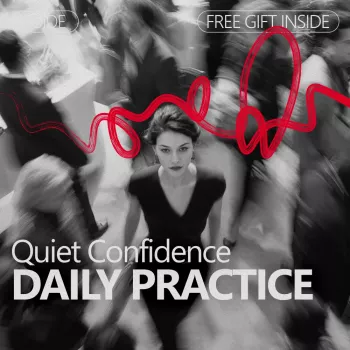
Start with small, repeatable steps that calm your body and rebuild predictability. A gentle routine—breathing, grounding, and low-pressure social reps—can reduce the alarm response over time. For a simple daily approach, visit this guide to building quiet confidence with a gentle routine for social anxiety.
If your anxiety is causing panic attacks, preventing work or school, or comes with depression or thoughts of self-harm, reach out to a licensed professional promptly.
FAQ
What are the first steps to overcome social anxiety?
Begin with low-stakes exposure (short chats, brief errands) paired with calming tools like slow breathing and grounding. Track tiny wins, reduce avoidance, and consider therapy (especially CBT) if symptoms persist or interfere with daily life.















Leave a comment