Casual Dress Code at Work: What It Means & What to Wear
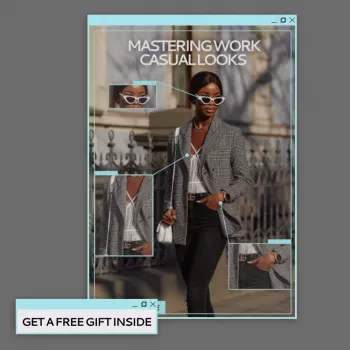
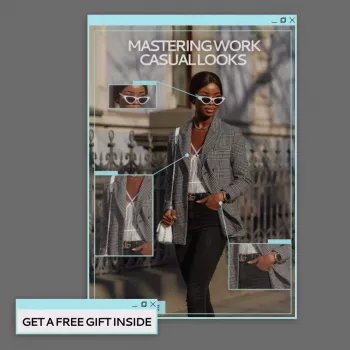
What is a casual dress code in the workplace?
A casual dress code in the workplace is a relaxed standard that allows comfortable, everyday clothing while still looking neat, appropriate, and ready for professional interaction. It sits below business casual in formality, but it’s not the same as weekend wear—items should be clean, well-fitting, and free of distracting graphics, rips, or overly revealing cuts.
Most casual office guidelines focus on three basics: tidy grooming, polished details, and context. If client meetings, presentations, or leadership visits are on the calendar, employees often level up with a more structured layer (like a blazer, a crisp button-down, or refined shoes) even if the official policy is “casual.”
What “casual” typically includes
Casual workplace outfits usually include simple tops (knit tees without loud prints, polos, blouses, sweaters), casual pants (chinos, tailored joggers, some denim), and practical shoes (clean sneakers, loafers, flats, ankle boots). Outer layers like cardigans, denim jackets, or lightweight blazers can make the look feel intentional rather than thrown together.
What “casual” usually avoids
Many offices still discourage clothing that reads too informal or attention-grabbing, such as graphic tees with slogans, athletic gym wear, flip-flops, very short hemlines, tank tops with low armholes, and anything distressed or stained. When in doubt, choose a more streamlined version of the item (darker wash denim, minimal logos, and cleaner silhouettes).
Easy way to get it right
Use a simple formula: one relaxed piece + one polished piece. For example, jeans with a crisp shirt, or a tee with chinos and loafers. For more outfit ideas and essentials that fit a work-casual environment, visit this work casual style guide.
FAQ
What is an example of a casual dress code for work?
A common example is dark, non-ripped jeans or chinos with a plain tee or sweater, plus clean sneakers or loafers. Add a simple jacket or cardigan if you want a more pulled-together finish.
Can you wear jeans in a casual dress code?
Often, yes—especially dark-wash or black jeans without rips or fading. Pair them with a neat top and clean shoes to keep the look workplace-appropriate.
What is a casual dress code for a job?
It’s a policy that allows more relaxed clothing than traditional office attire, while still requiring a tidy, respectful appearance. The exact standards vary by company culture and role, so checking the employee handbook or asking a manager is smart.












Leave a comment