Business Casual Attire for the Office: What It Means
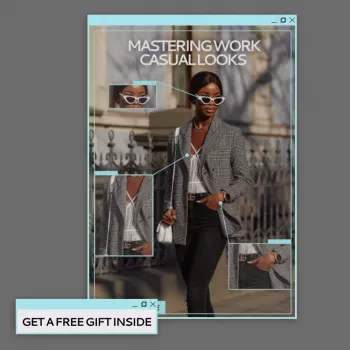
What is business casual attire for office?
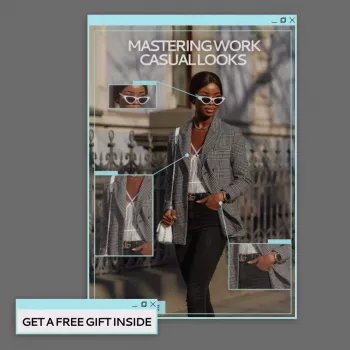
Business casual is office-appropriate clothing that looks polished without being as formal as a full suit. The goal is to appear professional, put-together, and ready for meetings, while still feeling comfortable enough for a typical workday. It usually means clean lines, modest hemlines, and outfits that look intentional rather than athletic or overly trendy.
What business casual looks like in practice
For many offices, business casual starts with elevated basics: tailored pants or chinos, knee-length or midi skirts, blouses, sweaters, button-downs, and simple dresses. Blazers are optional but helpful when you want instant structure. Colors can be neutral (navy, black, gray, tan) or soft and seasonal; prints are fine when they aren’t loud or distracting.
Typical business casual staples
Tops: blouses, knit tops, button-down shirts, fine-gauge sweaters, and polos in more relaxed workplaces.
Bottoms: ankle trousers, straight-leg pants, chinos, and midi skirts; dark, non-distressed jeans may be acceptable in some offices.
Layers: blazers, cardigans, and structured jackets that look neat indoors.
Shoes: loafers, flats, low heels, ankle boots, and clean leather sneakers if your workplace is casual-leaning.
What to avoid
Steer clear of overly casual or nightlife-leaning items: ripped denim, athletic wear, flip-flops, short shorts, sheer tops without layering, and anything too tight or revealing. When unsure, choose one “relaxed” element (like a knit top) and keep everything else tailored.
Easy outfit formulas
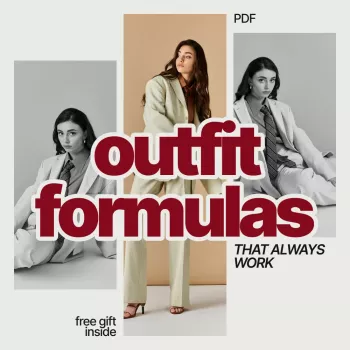
Try: (1) blouse + ankle trousers + loafers, (2) knit sweater + midi skirt + ankle boots, or (3) dark jeans (if allowed) + button-down + blazer + flats. For more outfit ideas and a complete work-casual wardrobe guide, visit this work casual style guide.
For Business Casual Attire for the Office: What It Means, the best answer depends on fit, material, care instructions, and how the product will be used day to day.
FAQ
Is smart casual the same as business casual?
They overlap, but smart casual is often slightly more relaxed and fashion-forward. Business casual typically stays more office-polished, with fewer sporty or statement pieces.










Leave a comment