Kids Bike 12–16 Inch with Training Wheels: Fit & Safety
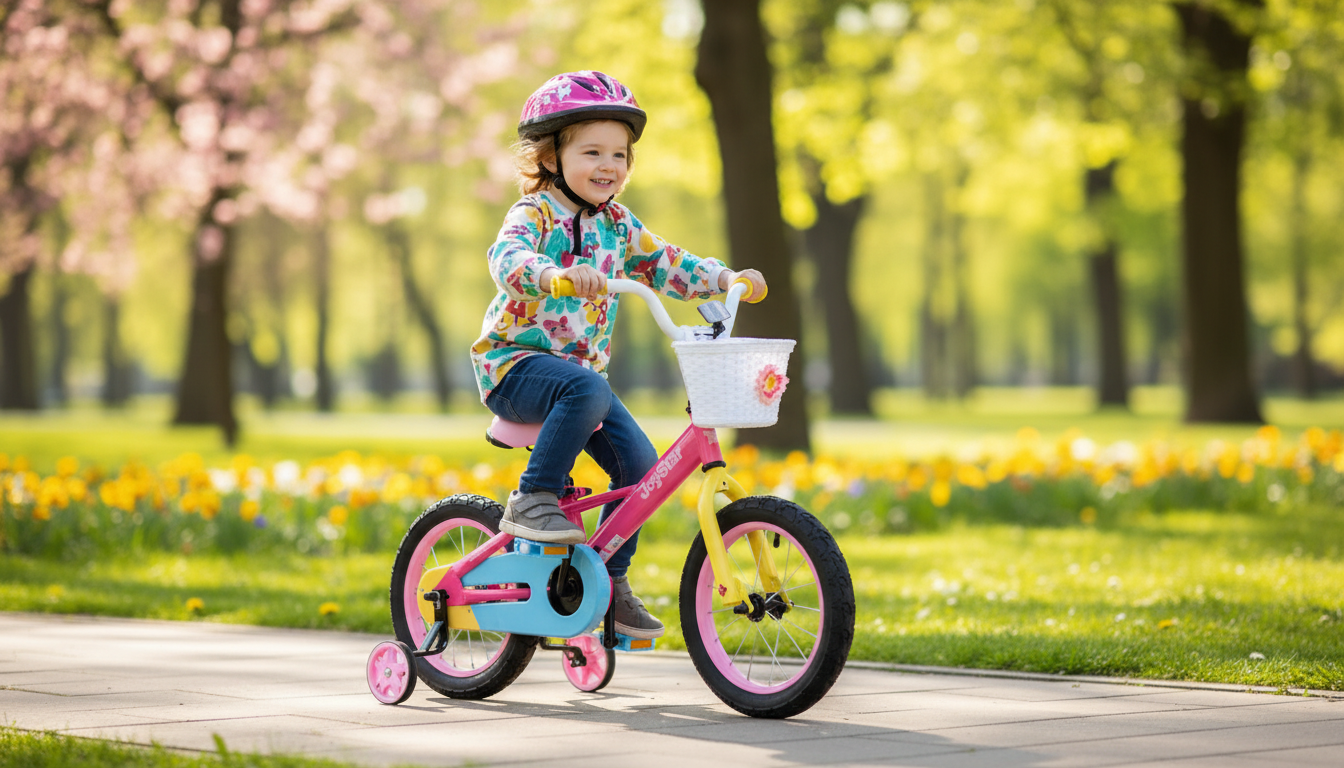
Kids Bike for Ages 3–9 (12–16 Inch) with Training Wheels: Sizing, Safety, and Setup
A great first bike balances comfort, stability, and confidence. For kids ages 3–9, the right wheel size (often 12–16 inch) and properly adjusted training wheels can make learning smoother—while good fit and basic safety checks help prevent frustration and falls.
Quick fit check before choosing a size
Before focusing on age ranges, do a fast fit check. Kids grow quickly, and two children the same age can need different sizes based on inseam and reach.
- Measure inseam (floor to crotch) with shoes on; compare to the bike’s standover height so the child can stand over the frame comfortably.
- Prioritize reach: the child should hold the grips with relaxed shoulders and a slight bend in elbows—no stretching or hunching.
- Seat height for beginners: when starting with training wheels, a slightly higher seat can help steady pedaling; for very new riders, keeping the seat low enough for toes to touch can add confidence.
- Handlebar height: keep bars near seat height to reduce forward-lean and make steering easier.
- If between sizes, choose the smaller wheel size when confidence and control are the priority; size up when the child is already pedaling smoothly and needs more leg room.
Common sizing guide for kids bikes with training wheels (typical ranges)
| Wheel size | Typical age range | Typical height range | Inseam (approx.) | Best for |
|---|---|---|---|---|
| 12 inch | 3–5 | 36–42 in (91–107 cm) | 14–18 in (36–46 cm) | First-time riders, learning to pedal |
| 14 inch | 4–6 | 40–46 in (102–117 cm) | 16–20 in (41–51 cm) | Building confidence, smoother starts/stops |
| 16 inch | 5–8 | 42–50 in (107–127 cm) | 18–22 in (46–56 cm) | Stronger pedaling, longer rides |
| 20 inch | 6–9+ | 48–56 in (122–142 cm) | 22–25 in (56–64 cm) | Ready to reduce training wheel reliance |
What to look for in a 12–16 inch kids bike with training wheels
A well-designed starter bike makes practice feel easier—especially when kids are learning pedaling, steering, and braking all at once.
- Sturdy frame and wheels: a stable feel helps kids keep balance while learning steering and pedaling.
- Training wheels that are height-adjustable: the best setups allow a slight lean while still preventing tip-overs.
- Easy-to-use brakes: a child should be able to stop smoothly without straining hands; check lever reach and braking force.
- Comfort touchpoints: soft grips, a padded saddle, and kid-friendly geometry reduce fatigue and improve control.
- Chain and pinch-point protection: guards help keep clothing and fingers away from moving parts.
Featured option: Kids Bike for Ages 3–9 (12–16 Inch) with Training Wheels
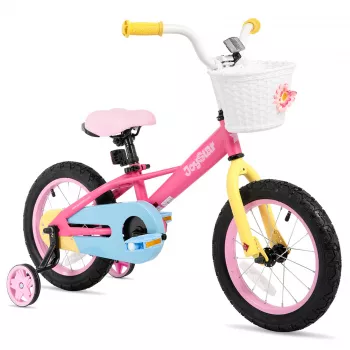
For a straightforward first-bike setup, the Kids Bike for Ages 3-9, 12-16 Inch with Training Wheels is designed for the early riding years and covers common starter sizes from 12–16 inch with included training wheels.
- Designed for neighborhood rides, driveway practice, and skill-building.
- Works best when assembly is followed by a quick safety check: wheel alignment, brake function, and training wheel height set to encourage gradual balance.
At-a-glance product details
| Product | Wheel size range | Recommended ages | Availability |
|---|---|---|---|
| Kids Bike for Ages 3-9, 12-16 Inch with Training Wheels | 12–16 inch | 3–9 | In stock |
Helpful add-ons for ride days
Keeping gear organized can make practice sessions feel calmer (and help kids stay excited to ride).
- Calvin Klein Black Print Backpack with Zip for carrying a helmet, water bottle, and a light layer to the park.
- AI Tools to Organize Your Life Guide – Ultimate Daily Planner Companion (Digital Download) to map out short, consistent practice sessions that build skills without burnout.
How to set training wheels for faster learning
The goal isn’t to keep the bike perfectly upright—it’s to prevent hard tip-overs while still letting the child feel what balance and steering are like.
- Start with a small gap: set both training wheels so the main rear wheel remains the primary contact, with training wheels catching only when the bike leans.
- Keep both sides even: uneven height can cause constant pulling to one side and slow progress.
- Encourage gentle turns: leave enough lean for the child to learn steering and balance without feeling “locked upright.”
- Re-check after the first rides: training wheels can settle; tighten mounting hardware and confirm alignment.
- Plan a progression: raise training wheels slightly over time, then remove one wheel (optional step) before fully removing both.
Safety essentials for ages 3–9
Good habits early make riding safer later. For broader guidance, refer to the American Academy of Pediatrics at HealthyChildren.org and the U.S. Consumer Product Safety Commission bicycle safety resources.
Common mistakes that make kids struggle (and quick fixes)
FAQ
What size bike with training wheels for a 4 year old?
Many 4-year-olds fit a 12 or 14 inch bike depending on height and inseam. Use inseam and comfortable standover as the deciding factors, and pick the smaller size if the child is a brand-new rider who needs maximum control.
Can a 24 inch bike have training wheels?
Some heavy-duty training wheels exist for larger bikes, but most standard training wheels aren’t designed for 24 inch bikes and can feel unstable. For older kids, focus on balance practice, proper braking skills, and consistent helmet use instead of relying on training wheels.
Is a 20-inch bike for what age?
A 20-inch bike commonly fits roughly ages 6–9+, depending on height and inseam. It tends to work best when a child already pedals and brakes confidently and is close to outgrowing a 16-inch bike.














Leave a comment