20-Inch Kids’ Bike: Best Age, Height & Fit Guide
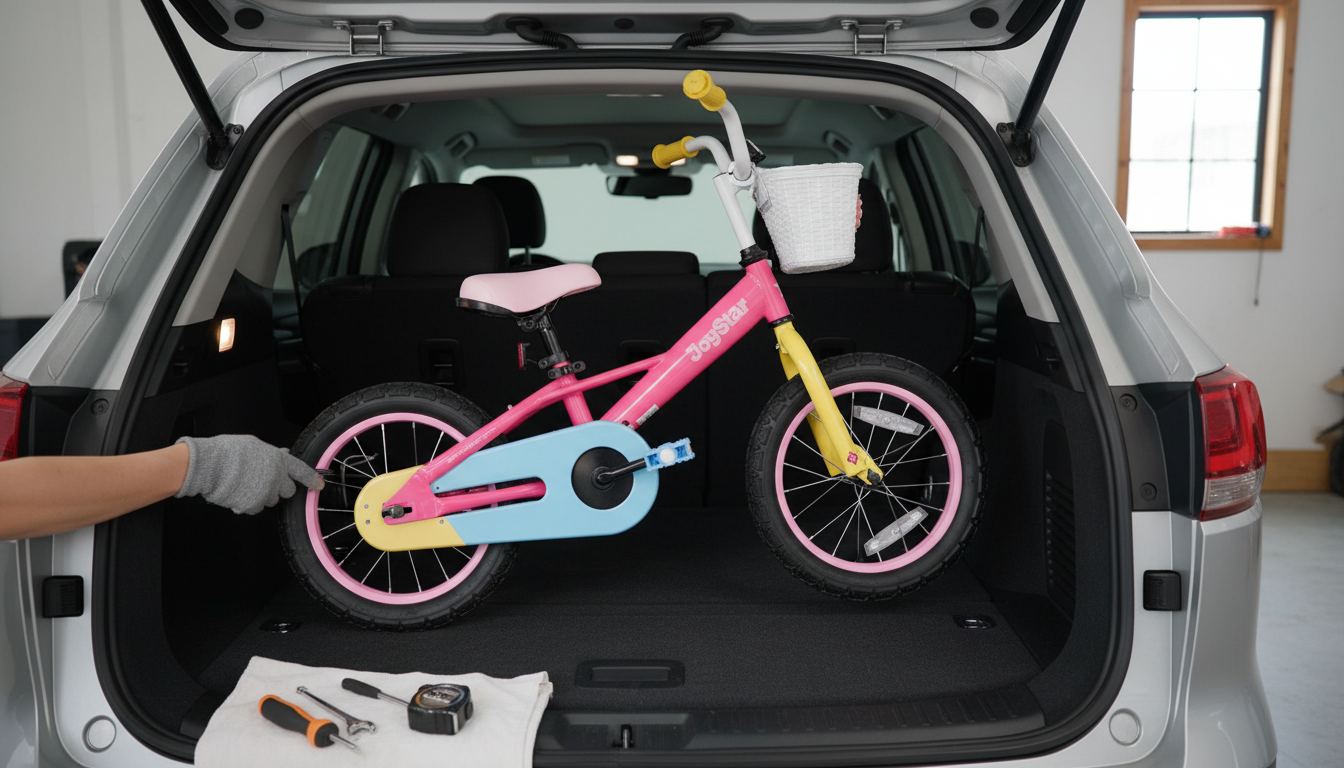
Is a 20-inch bike for what age?
A 20-inch bike is most commonly a good fit for kids around ages 6–9, but age is only a rough guideline. The better way to choose is by your child’s height and inseam, plus how confidently they can start, stop, and steer.
Typical sizing range for a 20-inch kids’ bike
Many 20-inch bikes are designed for kids roughly 42–54 inches tall (about 3’6″ to 4’6″), with an inseam that allows them to sit on the saddle and comfortably touch the ground with the balls of their feet. If your child is at the lower end of the range, a model with a lower stand-over height and adjustable seat/handlebars can make the fit work better.
How to tell if it fits in 30 seconds
Have your child straddle the bike with both feet flat on the ground. There should be a little space between the top tube and their body. When seated, they should be able to reach the brakes easily, and when pedaling, their knee should have a slight bend at the bottom of the stroke (not fully locked).
What features usually come on 20-inch bikes
At this size, many bikes include hand brakes (sometimes plus coaster brake), multiple gears on some models, and a slightly heavier frame than smaller sizes. Because speeds can increase quickly, reliable brakes and a confident fit matter more than “growing into it.”
Need help deciding between sizes?
For a step-by-step fit and safety checklist (including 12–16 inch bikes and training wheels guidance), see the complete guide here: Kids’ bike sizing, fit, and safety guide.
FAQ
Is a 20 or 24 bike for a 7 year old?
Many 7-year-olds fit a 20-inch bike, but taller kids may be ready for 24-inch. Use height and stand-over clearance first; a 24-inch should only be chosen if the child can safely straddle it and reach the controls.
Should I get my 4 year old a 14 or 16 inch bike?
Most 4-year-olds fit 14-inch, but a tall or fast-growing child may fit 16-inch. Choose the size that lets them start and stop confidently with proper stand-over clearance.
Is a 20 inch bike too small?
A 20-inch bike is only too small if the rider’s knees ride high, the seat is maxed out, or the rider lacks stand-over room and feels cramped. If the fit is tight even with adjustments, moving up a size is safer and more comfortable.















Leave a comment