20 vs 24 Inch Bike: Fit Checks to Choose the Right Size
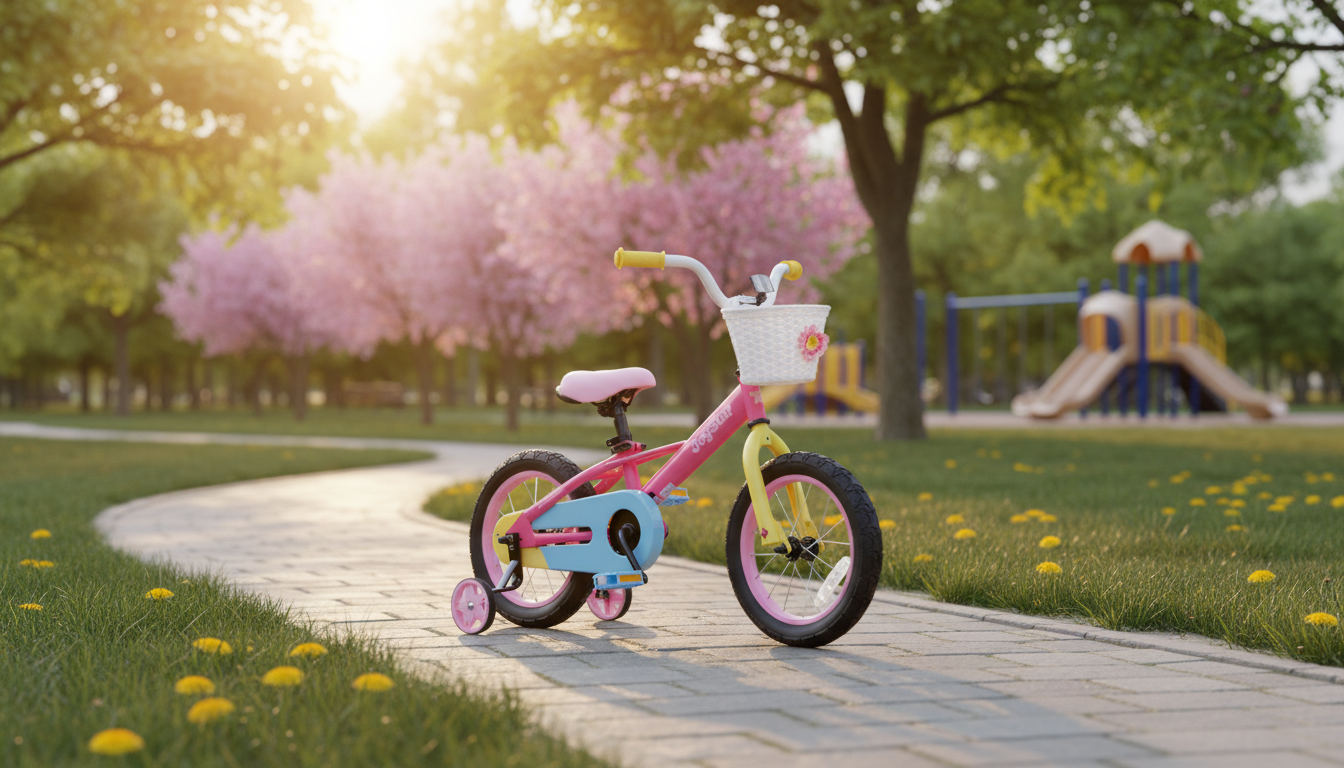
Should I get a 20 or 24 inch bike?
Choose between a 20-inch and 24-inch bike based on rider size and control—not age alone. A bike that’s too big can be hard to start, stop, and turn, while one that’s too small can feel cramped and wobbly at speed. The right fit lets the rider pedal smoothly, steer confidently, and put a foot down when needed.
How to pick the right wheel size
When a 20-inch bike makes sense
A 20-inch bike is usually the better pick for smaller riders who are still building confidence, especially if they’re moving up from a 16-inch bike. If the rider struggles to stand over the top tube, reach the brakes comfortably, or start and stop without tipping, a 20-inch is typically the safer, more manageable option. It also helps when riding involves frequent stops, tighter turns, or learning new skills like shifting.
When a 24-inch bike is the better choice
A 24-inch bike works best for taller riders who look cramped on a 20-inch and can handle a slightly longer, heavier bike. Signs it’s time to size up include knees coming up too high while pedaling, the seat being raised near its limit, or the rider feeling “bunched up” even with the saddle adjusted. A 24-inch bike can feel smoother on longer rides and may offer more room for growth—if the rider can control it.
Quick fit checks to avoid the wrong size
Have the rider stand over the bike with both feet flat: there should be comfortable clearance and no pressure on the top tube. Next, check braking and reach: they should be able to grip both brake levers without stretching or shifting their hands awkwardly. Finally, do a short test ride: the rider should be able to start from a stop, turn, and stop smoothly while staying balanced.
For more detail on getting the right size and improving comfort and safety, see this guide: kids bike fit and safety tips.
FAQ
How do I know if a bike frame fits my child?
A good fit means they can stand over the bike with comfortable clearance, reach the handlebars without hunching, and use the brake levers easily. On a test ride, they should start and stop confidently without leaning the bike sharply to catch themselves.














Leave a comment