20-Inch Bike Frame: Best Rider Height & Fit Tips
Is a 20 inch bike frame good for what height?
A 20-inch bike frame is most commonly a good match for riders around 5’7″ to 6’1″ tall, but the “right” height range depends on the bike style (mountain, road, hybrid), the frame’s geometry, and how the manufacturer measures the frame. Some brands label frames by seat tube length (in inches), while others rely on size names like M/L and publish a height chart.
How to tell if a 20-inch frame fits
Start with stand-over clearance. With the bike on flat ground and the rider standing over the top tube, there should be some space between the body and the frame—typically about 1–2 inches for many road/hybrid bikes and a bit more for mountain bikes. Next, check reach: seated with hands on the grips, elbows should have a slight bend and the rider shouldn’t feel stretched or cramped.
Use quick adjustments before deciding it’s “too big” or “too small”
Minor fit issues can often be solved with setup changes: raising/lowering the saddle, moving the saddle forward/back, or swapping to a shorter/longer stem. That said, if stand-over clearance is tight or the rider can’t comfortably reach the handlebars even after basic adjustments, sizing up or down is usually the better move.
What about kids’ bikes labeled “20-inch”?
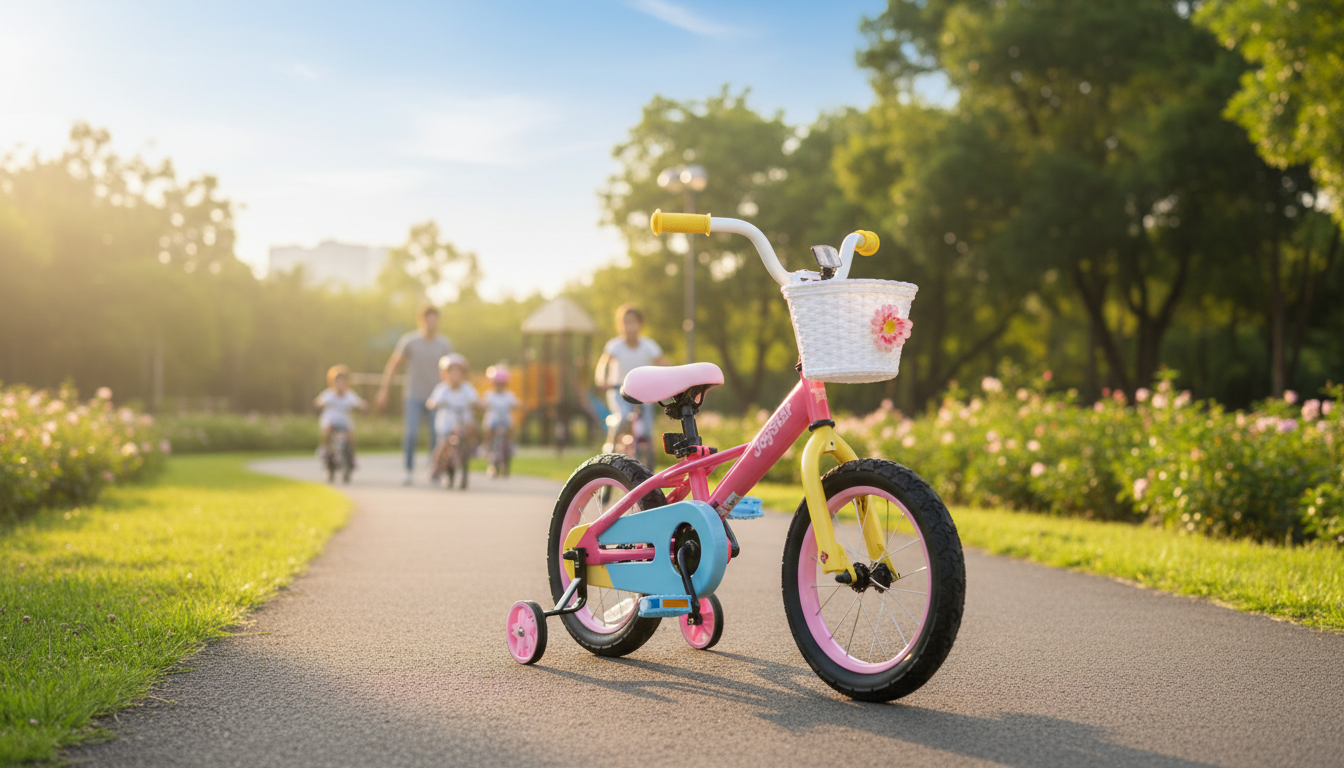
Be careful: many kids’ bikes use “20-inch” to describe wheel size, not frame size. A 20-inch wheel bike is often for children roughly 4’0″–4’8″ (varies by brand and inseam). For a clear breakdown of kids’ sizing and safety checks, visit this kids’ bike fit and safety guide.
For 20-Inch Bike Frame: Best Rider Height & Fit Tips, the best answer depends on fit, material, care instructions, and how the product will be used day to day.
FAQ
How do I measure my inseam for bike sizing?
Stand with feet about shoulder-width apart and measure from the floor to the top of your inner thigh (using a book pressed up like a saddle). That inseam number helps confirm stand-over clearance and the right frame range on brand size charts.















Leave a comment