Attachment Trauma in Adults: Signs, Causes & Healing
What is attachment trauma in adults?
Attachment trauma in adults refers to the lasting emotional and relational impact of early experiences where safety, comfort, or consistency from a caregiver was unreliable, frightening, neglectful, or unpredictable. Instead of learning that closeness is safe and support is available, the nervous system adapts by expecting rejection, abandonment, or harm—even when a current relationship is healthy.
How attachment trauma can show up day to day
Adults with attachment trauma may feel intense anxiety about being left, or they may shut down and avoid depending on anyone. Common patterns include people-pleasing, strong fear of conflict, difficulty trusting, jealousy, emotional numbness, or feeling “too much” when needs arise. Some people swing between craving closeness and pushing it away, especially during stress.
What causes it
Attachment trauma can develop from chronic emotional neglect, inconsistent caregiving, harsh criticism, caregiver addiction or mental illness, domestic violence, separation without adequate support, or situations where a caregiver was also a source of fear. It’s not always about obvious abuse; repeated misattunement—when feelings were ignored or punished—can also shape attachment.
Why it affects adult relationships
Attachment experiences become a template for interpreting tone, distance, affection, and boundaries. A delayed text, a partner needing space, or a friend canceling plans can trigger disproportionate panic or detachment because the body reads it as threat. Over time, this can create cycles of protest behaviors (clinging, accusing, testing) or withdrawal (stonewalling, disappearing, avoiding intimacy).
Can it heal?
Yes. Healing often involves building “earned security” through consistent, respectful relationships and targeted support. Therapy approaches such as trauma-informed CBT, EMDR, somatic therapies, and attachment-focused therapy can help regulate the nervous system, challenge old beliefs, and practice new ways of connecting.
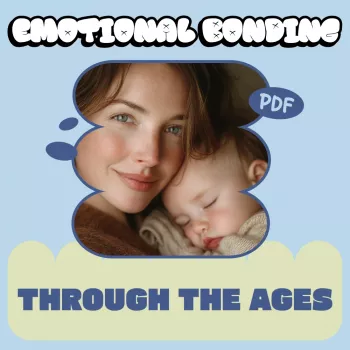
For a broader look at how emotional bonding develops across life stages, visit this guide on emotional bonding by age.
FAQ
What are signs of insecure attachment in adults?
Signs can include fear of abandonment, difficulty trusting, craving reassurance, avoiding emotional closeness, or feeling overwhelmed by intimacy. Many people also notice strong reactions to perceived rejection or conflict.















Leave a comment