Can Attachment Disorder Be Cured? Treatment and Progress
Can attachment disorder be cured?
Attachment disorder isn’t usually described as something that’s “cured” like an infection. More often, it’s treated and managed—sometimes so successfully that a child (or adult) can form stable, trusting relationships and function well day to day. Progress depends on factors like the person’s age, the severity and type of attachment difficulties, the presence of trauma, and how consistent their environment and support system are.
With the right treatment plan, many people see meaningful improvement. Therapy can help build skills for emotional regulation, trust, and healthy connection. Just as important, steady caregiving or supportive relationships outside therapy reinforce those gains through predictable routines, safe boundaries, and responsive attention.
What treatment usually involves
Effective care typically focuses on creating safety and reliability first, then strengthening connection over time. Common components include trauma-informed therapy, family therapy or parent coaching when children are involved, and treatment for co-occurring issues such as anxiety, depression, ADHD, or PTSD. The goal is to help the person understand emotions, respond without shutting down or lashing out, and practice more secure relationship patterns.
What “better” can look like
Improvement may show up as fewer intense outbursts, less avoidance of closeness, more comfort asking for help, and better ability to calm down after stress. Some people move toward secure attachment, while others develop “earned security”—healthier relationship habits built later in life through consistent support and insight.
When to get professional help
If a child persistently struggles with trust, empathy, boundaries, or behavior across settings—or if an adult’s relationships are repeatedly derailed by fear of abandonment or emotional numbness—professional evaluation can clarify what’s going on and what supports fit best. Early, consistent intervention often leads to faster, more stable progress.
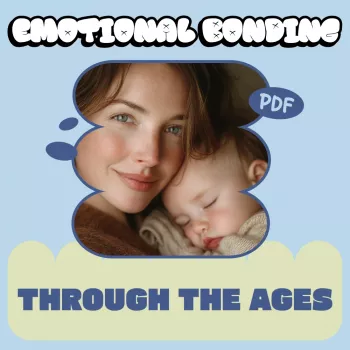
For a deeper look at how emotional bonding develops at different stages (and what supportive connection can look like from infancy through the teen years), visit this guide on emotional bonding by age.
FAQ
What are signs of insecure attachment in kids?
Common signs include extreme clinginess or strong avoidance of comfort, frequent power struggles, difficulty calming down, and trouble trusting caregivers. Patterns are more concerning when they’re persistent, intense, and show up across home, school, and other settings.















Leave a comment