Rainbow Stainless Steel Cutlery Set: Style + Easy Care
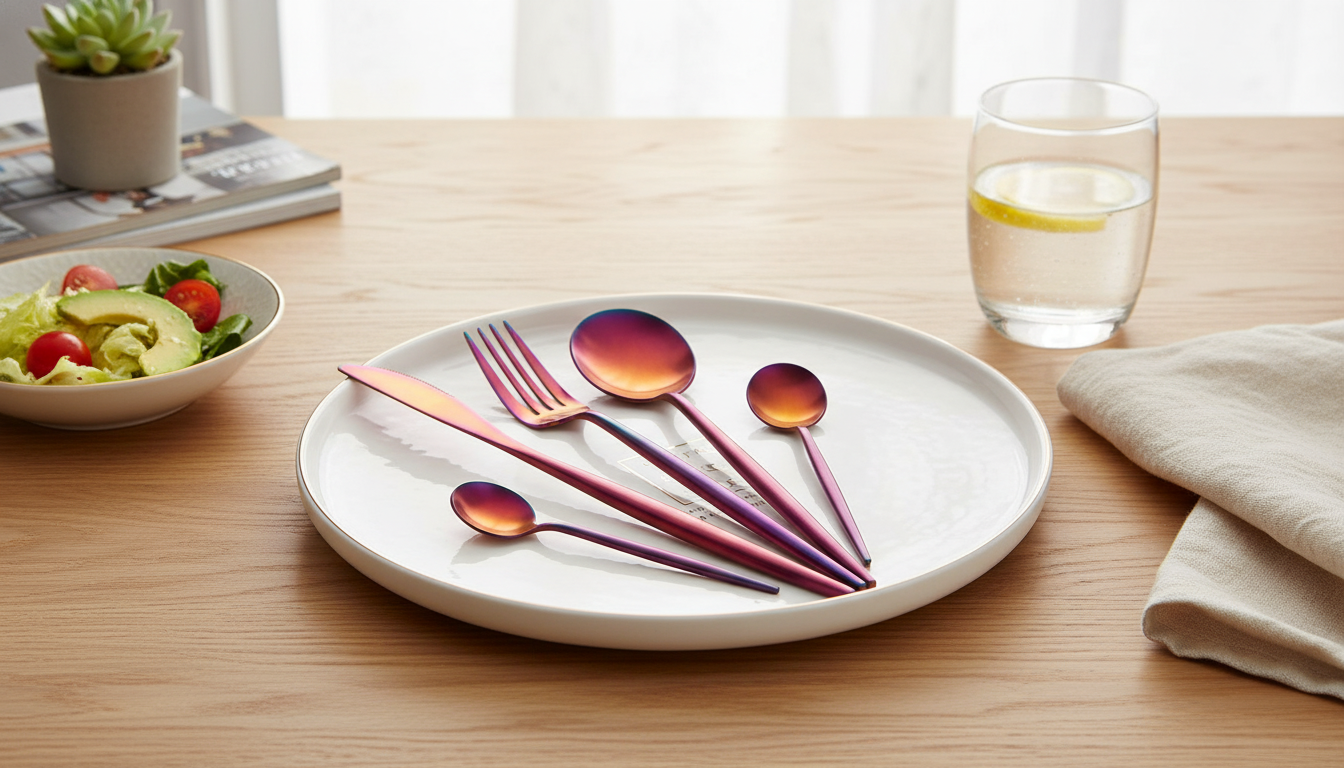
Rainbow Stainless Steel Cutlery Set: A Modern Table Upgrade With Easy Care
A rainbow-finish cutlery set adds a sleek, iridescent glow that feels equally at home on a weeknight dinner table or at a dressed-up gathering. The look comes from the surface interacting with light, creating subtle color shifts rather than one fixed shade. Below is a practical guide to what the rainbow effect is, what to look for in stainless steel flatware, how it holds up in real kitchens, and how to keep the finish looking polished over time.
What Makes Rainbow-Finish Cutlery Different
Rainbow flatware stands out because the color isn’t “paint”—it’s typically a surface treatment or coating designed to refract light, creating an iridescent effect. That thin-film color shift is similar to how soap bubbles or certain shells show changing colors as they move under light; the science behind iridescence is well documented by resources like the Royal Society of Chemistry.
Compared to standard polished stainless steel, the visual impact is bolder and more contemporary. It pairs especially well with modern, minimalist tablescapes where one statement element does most of the work. It also suits festive settings (birthdays, holidays, themed dinners) where a little color feels intentional.
Because the finish can look different in warm indoor lighting versus daylight, it helps to expect a shifting spectrum rather than a single consistent “rainbow shade.” And since many rainbow finishes involve a coating, they can be more sensitive to harsh abrasives than plain stainless steel—so cleaning habits play a bigger role in long-term appearance.
Materials and Build: What to Look For in Stainless Steel Flatware
Stainless steel is popular for flatware because it resists corrosion, holds up to daily use, and keeps food tasting clean and neutral. For a simple overview of what stainless steel is and why it’s so widely used, Britannica’s stainless steel reference is a helpful primer.
Beyond the material, the build quality determines how satisfying a set feels in hand:
- Smooth edges and seams: Run your fingers along handles and utensil heads. A smooth, even surface is more comfortable and easier to clean.
- Consistent finish: Look for uniform sheen and color across pieces. Cloudy patches or uneven tones can be a sign of inconsistent coating.
- Balanced weight: Too light can feel flimsy; too heavy can feel awkward for everyday meals. A balanced feel makes a set more likely to become your daily go-to.
- Coating-friendly care needs: If the rainbow look is achieved via coating (often marketed as PVD/titanium-coated), gentle washing and non-scratch tools help preserve the finish.
| What to check | Why it matters | What to do |
|---|---|---|
| Edge smoothness | Comfort and safety during use | Run fingers along edges; avoid sharp seams or burrs |
| Finish consistency | Even look across utensils | Look for uniform sheen with no cloudy patches |
| Coating care needs | Reduces scratches and dulling | Use soft sponge; avoid abrasive powders/steel wool |
| Stain resistance habits | Keeps surface bright | Rinse after acidic/salty foods; dry promptly if possible |
| Storage method | Prevents scuffs | Use a divider tray or keep pieces from rubbing tightly together |
Styling Ideas for Everyday Meals and Hosting
Rainbow flatware makes the biggest impact when the rest of the table is curated to let it shine. A few easy combinations keep the look elevated rather than busy:
Care and Cleaning: Keeping the Rainbow Finish Looking Fresh
Sometimes “rainbow” shows up on steel in an unintended way—often due to heat tint or chemical exposure creating a thin oxide layer. Background on how oxide layers behave on alloys is discussed in industrial contexts by sources such as Special Metals, and the key takeaway for home use is simple: clean gently, avoid harsh abrasion, and dry thoroughly.
| What you see | Typical cause | Helpful fix |
|---|---|---|
| Rainbow sheen or bands on steel | Thin oxide layer formed by heat or chemical exposure | Clean gently; use a non-abrasive stainless cleaner; rinse and dry |
| Cloudy film after washing | Mineral deposits from hard water | Wipe with diluted vinegar, rinse, dry thoroughly |
| Rust-colored specks | Iron contamination or residue left on the surface | Use a non-scratch pad with stainless-safe cleaner; prevent by drying and avoiding steel wool |
| Fine scratches | Abrasive scrubbers or powdered cleaners | Switch to soft tools; store with separators to reduce rubbing |
When Rainbow Cutlery Is a Great Fit (and When It Isn’t)
Product Spotlight: Rainbow Stainless Steel Cutlery Set
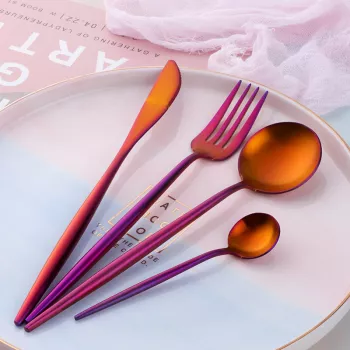
If the goal is a quick table upgrade with a distinctive, iridescent finish, the Rainbow Stainless Steel Cutlery Set is a ready-to-buy option designed to bring rainbow-metal shine to everyday meals and special occasions. It’s listed as in stock at the time of publishing, with current pricing shown on the product page.
More In-Store Picks (In Stock)
- The Art of a Real Compliment: How to Give a Genuine Compliment in Every Situation
- Confidence, Not Ego – Checklist to Understand Confidence vs Ego Explained Simply
FAQ
What is rainbow stainless steel called?
It’s commonly described as an iridescent or rainbow finish, and many consumer products use a PVD (often marketed as titanium-coated) surface treatment over stainless steel. The base metal is typically standard stainless steel, while the color comes from the surface layer interacting with light.
What is the rainbow color on my steel pan?
It’s often heat tint—a thin oxide layer that forms after high heat—or sometimes a film from minerals or cleaning residue. Gentle cleaning with non-abrasive products and thorough rinsing/drying usually removes or reduces the appearance; avoid harsh scouring that can scratch the surface.













Leave a comment