AI Decluttering: Simple Plans to Tackle Any Mess
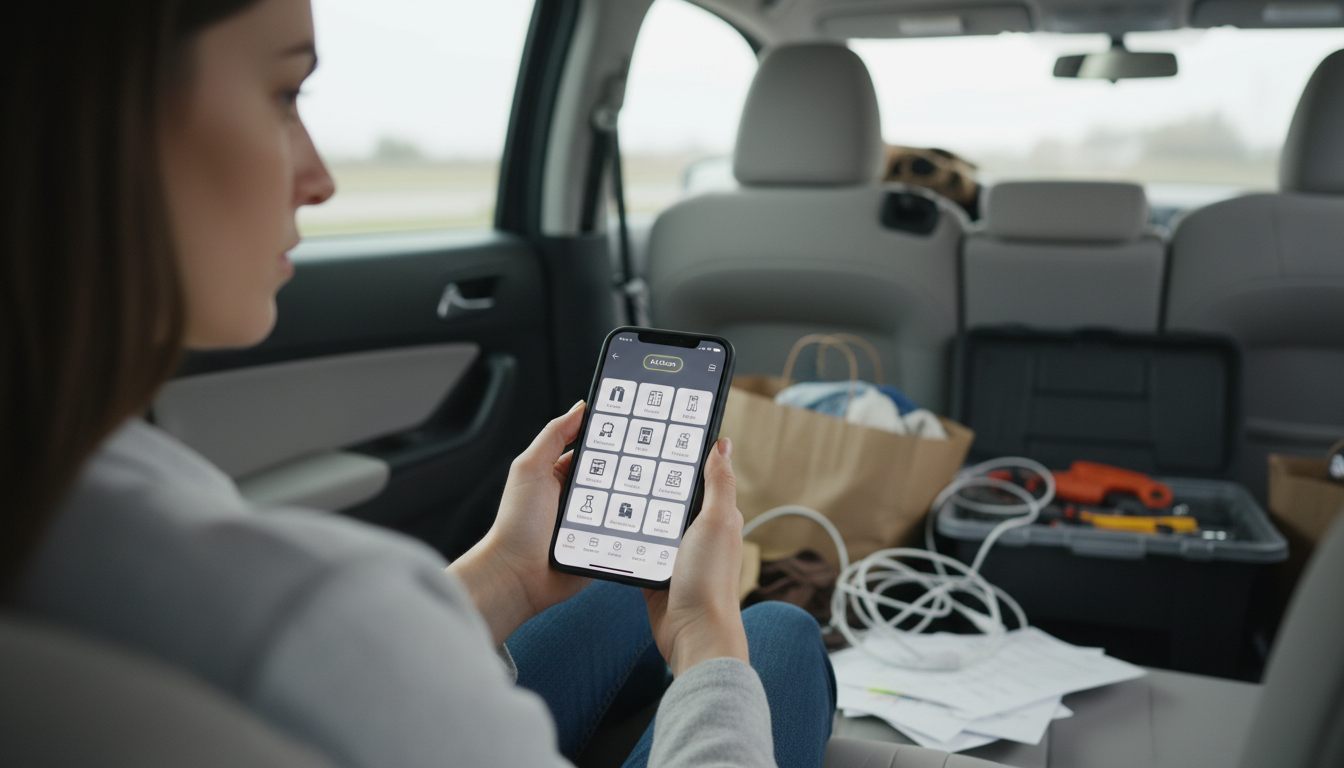
Can AI help with decluttering?
Yes—AI can help with decluttering by turning an overwhelming project into a set of smaller, guided decisions. Instead of staring at a crowded closet or a chaotic junk drawer, AI tools can help you quickly sort items into categories, set priorities, and build a realistic plan you can actually finish.
How AI supports a decluttering plan
Decluttering usually breaks down for two reasons: decision fatigue and lack of a clear system. AI can reduce both by offering structure and reminders.
1) Creating a step-by-step roadmap
You can describe the space (size, problem areas, time available), and AI can generate a sequence such as “trash/recycle first,” “group like items,” then “decide keep/donate/sell.” Having a checklist makes it easier to start and easier to stop without losing momentum.
2) Helping you decide what to keep
If you share a quick summary of an item—when you last used it, whether it has duplicates, and how you feel about it—AI can suggest a decision rule (for example, keep only the best version, or keep items used in the last 12 months). It won’t make sentimental choices for you, but it can make the criteria consistent.
3) Building organizing systems you’ll maintain
AI can recommend simple storage logic based on your habits: where you naturally drop keys, how you get dressed, or how often you cook. That leads to practical “homes” for items (zones, bins, labels) so clutter doesn’t immediately return.
Tips to get better results from AI
Be specific about constraints (small apartment, limited shelving, kids’ toys, shared space). Ask for a plan with short sessions (15–30 minutes), and request “reset routines” for daily and weekly maintenance. If you’re deciding between donating and selling, ask for a time-based rule so you don’t end up with an endless resale pile.
For more detailed strategies, examples, and ways to put AI into a simple routine, visit the full guide here: https://supremechoiceden.shop/can-ai-help-with-decluttering/.
FAQ
What are some quick decluttering rules that actually work?
Try “one in, one out,” a 10-minute daily reset, and a donation box that’s always open. For faster decisions, keep the best version of duplicates and let the rest go.
















Leave a comment