4L Smart Automatic Pet Feeder: Voice Timer + Steel Bowl
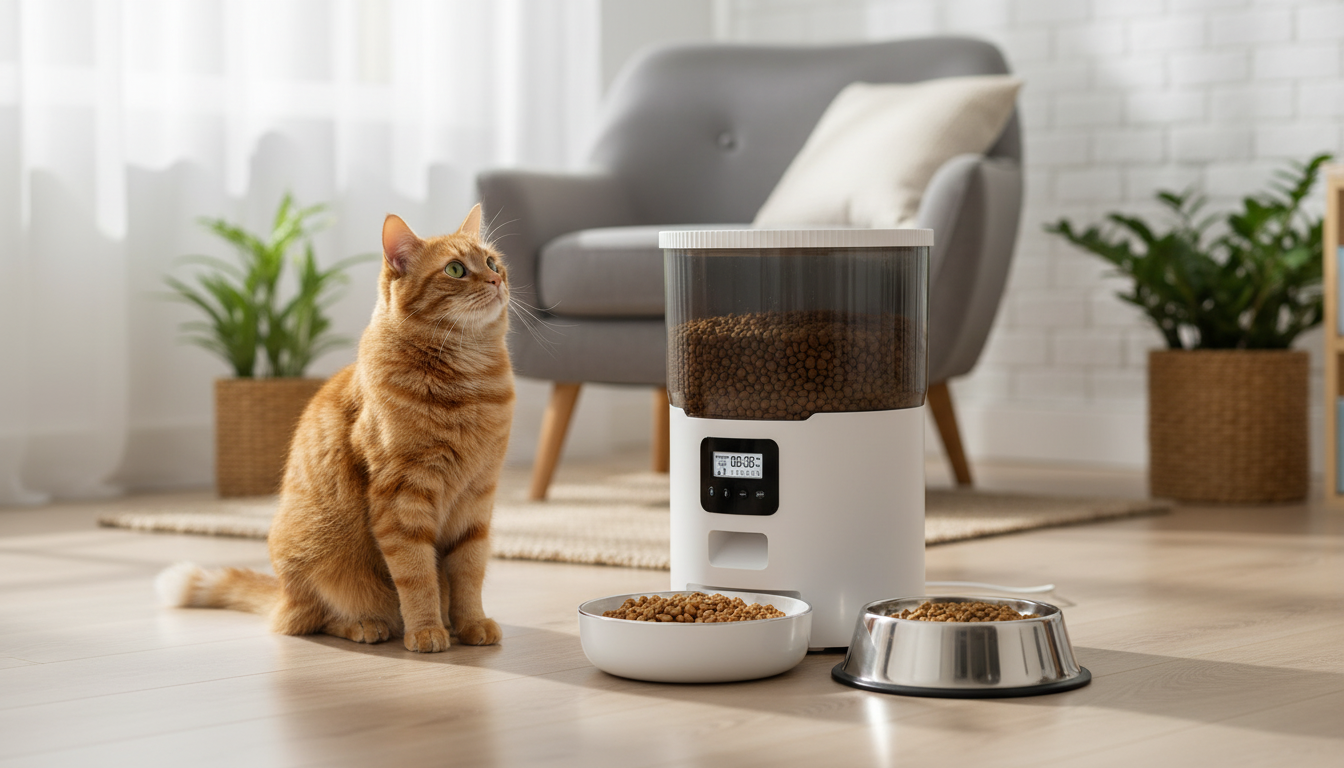
Smart 4L Automatic Pet Feeder with Voice Timer & Stainless Steel Bowl: Reliable Meals, Even When You’re Away
Consistent feeding routines support better digestion, steadier energy, and calmer behavior for many cats and dogs. A smart automatic feeder adds structure with timed portions, reduces missed meals during busy days, and helps keep food cleaner with a stainless steel bowl. This guide covers how this 4L feeder fits into daily life, what to look for in setup and maintenance, and practical tips to get dependable results. For more guidance, see PetSafe Smart Feed Automatic Pet Feeder Review (2025).
What this smart feeder is designed to solve
Life gets hectic, and pets don’t always understand why dinner is late. An automatic feeder helps turn feeding into a predictable routine—especially useful for pets that pace, vocalize, or beg when meal times vary. For further reading, see Best Automatic Feeders Reviews and specifications – Revain.
- Keeps meal times consistent for pets that thrive on routines
- Helps manage portions for pets that tend to overeat or beg between meals
- Supports multi-meal schedules for kittens, senior pets, or pets on vet-guided feeding plans
- Adds a familiar voice cue at feeding time to reduce confusion or anxiety
- Improves bowl hygiene with stainless steel compared with many plastic bowls
For broader feeding guidance and nutrition basics, you can also review pet nutrition resources from the American Veterinary Medical Association (AVMA) and food safety information from the FDA.
Key features that matter day to day
Specs are only helpful if they improve real routines. Here are the practical highlights that tend to make the biggest difference once the feeder becomes part of your week.
- 4L food storage capacity for fewer refills and smoother weekly routines
- Timed feeding with a built-in timer for scheduled dispensing
- Voice recording feature to call pets at meal time and reinforce training
- Stainless steel bowl for easier cleaning and reduced odor retention
- Designed for dry food dispensing; use kibble sizes that flow freely to avoid clogs
Quick feature check
| Feature | Why it helps | What to watch for |
|---|---|---|
| 4L hopper | Fewer refills; better routine stability | Store in a cool, dry place; seal properly to keep kibble fresh |
| Voice timer | Pets recognize a cue and come to eat | Record a short, clear message; keep volume comfortable |
| Stainless steel bowl | Easier sanitation; less lingering smell | Wash daily or every 1–2 days to prevent buildup |
| Scheduled dispensing | Reduces missed meals and accidental double-feeding | Confirm clock/time after power changes; test one cycle before relying on it |
| Dry-food focused design | Cleaner operation and predictable portions | Avoid very large, oily, or irregular kibble that can jam |
Setup basics: getting consistent portions and timing
The first week is the “calibration” phase. A little testing up front can prevent most of the portion and scheduling surprises people run into later.
- Place the feeder on a level surface away from direct sunlight and water bowls to reduce moisture exposure.
- Start with a simple schedule (2 meals/day) and adjust gradually based on appetite, weight goals, and vet guidance.
- Run 2–3 test dispenses into a measuring cup to understand the feeder’s portion behavior.
- Use the same brand and kibble shape during the adjustment phase to keep portions predictable.
- Pair the voice cue with the first few feedings so pets learn to approach calmly instead of rushing or pawing at the unit.
If you’re transitioning from free-feeding, aim for small, reliable changes: keep the first scheduled portions modest, observe your pet’s behavior, then fine-tune. Consistency matters more than perfection on day one.
Cleaning and maintenance for safer feeding
Even the best schedule won’t feel “smart” if the bowl gets grimy or the chute starts to catch crumbs. A simple routine keeps meals fresher and the feeder running smoothly.
- Wash the stainless steel bowl regularly with mild soap; rinse and fully dry before reinstalling.
- Wipe exterior surfaces and the area around the chute to prevent grease and dust buildup.
- Check the kibble chute weekly for crumbs that can lead to partial clogs.
- Refill with fresh food rather than topping off indefinitely; older kibble at the bottom can go stale.
- If the unit uses batteries as backup, replace on a schedule so feeding routines aren’t interrupted.
A helpful habit: once a week, empty what’s left in the hopper into a clean container, wipe the interior, then refill. This keeps oils from building up and helps you spot early signs of moisture or crumbling kibble.
Common issues and quick fixes
Most feeder problems come down to three things: placement, kibble shape, or settings after a power change. These quick adjustments usually restore reliable operation.
Who this feeder fits best
Product details and where to get it
For households ready to tighten up meal timing and reduce daily feeding stress, the Smart 4L Automatic Pet Feeder with Voice Timer & Stainless Steel Bowl is currently listed at $69.82 USD and is in stock.
More in-stock picks from our shop
- Confidence, Not Ego – Checklist to Understand Confidence vs Ego Explained Simply | Daily Builders, Ego Traps, AI Tips & Quick Test
- Bicycle Touring Tips – The Ultimate Bicycle Touring Tips Guide for Planning, Packing & Riding with Confidence | Digital Download
- The Art of a Real Compliment: How to Give a Genuine Compliment in Every Situation
FAQ
How to reset a smart pet feeder?
Unplug or power off the unit, remove batteries if applicable, hold the reset button (or the designated key combination) for several seconds, then restore power and re-enter time and feeding schedule. After resetting, run a test dispense to confirm settings saved correctly.
How to set time on automatic pet feeder?
Enter the clock/time-setting mode (often via a ‘Clock’ or ‘Set’ button), adjust hours and minutes, confirm/save, then verify AM/PM if shown. Recheck the clock after any power interruption and before relying on scheduled meals.















Leave a comment