AI Meal Checklist for Picky Eaters (Busy-Parent Wins)

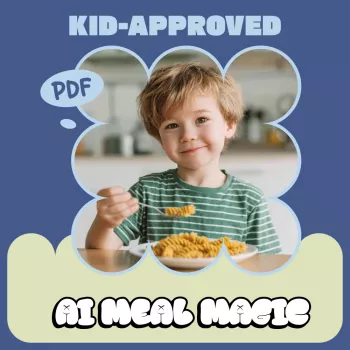
Kid-Approved AI Meal Magic Checklist: Personalized Meal Ideas for Picky Eaters and Busy Parents
Mealtimes can turn into a daily negotiation when kids are picky and schedules are packed. A simple checklist plus AI-friendly personalization can reduce decision fatigue, keep meals fun, and help the whole family rotate through options that actually get eaten. The goal isn’t “perfect dinners”—it’s repeatable, low-drama meals that fit your household.
What “kid-approved” really means in a busy household
In real life, “kid-approved” usually means four things: it gets eaten without a meltdown, it matches your actual prep time, it uses ingredients your household already buys, and you can repeat it with consistent results. That definition is freeing—because it shifts the win from “new recipe success” to “smooth weeknight.”
Picky eating often follows predictable patterns: texture sensitivity (soft vs. crunchy), avoidance of mixed foods (casseroles, stews), strong flavor aversion (spicy, tangy), and “food touching” rules that make combo plates stressful. Add in busy-parent constraints—late meetings, sports nights, grocery cycles, and multiple kid preferences—and it’s easy to end up cycling the same three meals.
A practical family-meal goal: build one base meal with simple add-ons. Think “pasta night with sauce on the side” instead of cooking separate dinners. That keeps the table calm and the kitchen manageable.
How the AI Meal Magic Checklist works (quick overview)
The checklist approach is simple: collect the right inputs once, then reuse them to generate meal ideas that fit your kids and your schedule.
- Step 1: Collect kid preferences (yes foods, no foods, “sometimes” foods) and note texture or presentation rules.
- Step 2: Set parent boundaries (time, budget, equipment, batch-cooking days, leftover tolerance).
- Step 3: Choose a meal template (bowl, wrap, pasta, tray bake, bento plate) and generate variations from that template.
- Step 4: Add a low-friction safety item (fruit, bread, yogurt, rice) to reduce pressure at the table.
- Step 5: Save winners and build a rotating list so you’re not reinventing dinner every night.
Personalization inputs that make AI suggestions actually usable
Personalization is what turns “random dinner ideas” into meals you can realistically serve. The most helpful inputs are specific and practical:
- Age and chewing skill: toddler-friendly cuts, softer textures, smaller spice levels.
- Allergies and sensitivities: dairy-free swaps, nut-free snacks, gluten-free staples.
- Texture preferences: crispy vs. soft, separated ingredients, sauce on the side.
- Gateway flavors: mild taco seasoning, garlic butter, teriyaki-lite, parmesan to expand variety gradually.
- Prep constraints: one-pan, microwave-only, air fryer, slow cooker, or “no-knife nights.”
- Schedule context: sports nights, late meetings, weekend cooking windows.
If you want reputable nutrition guidance to align your boundaries with child development, these sources are helpful: American Academy of Pediatrics (HealthyChildren.org), the CDC nutrition hub, and the Academy of Nutrition and Dietetics.
Meal templates that scale into a week of kid-friendly variety
Templates make meal planning flexible. You can keep the structure the same while swapping one component at a time (protein, crunch, sauce), which is ideal for picky eaters who want familiarity.
| Template | Base Ingredients | Picky-Eater Tweaks | Busy-Night Shortcut |
|---|---|---|---|
| Taco board | Tortillas, shredded chicken/beans, cheese, veggies | Keep fillings separate; mild seasoning; add a plain tortilla option | Use rotisserie chicken + bagged slaw |
| Rice bowl | Rice, protein, cucumber/carrot, sauce | Sauce on the side; swap crunchy veggies for steamed | Microwave rice + frozen edamame |
| Pasta bar | Pasta, marinara/alfredo, toppings | Plain noodles + butter; toppings served in small cups | Frozen meatballs + jar sauce |
| Sheet-pan dinner | Chicken sausage, potatoes, broccoli | Separate zones; keep a plain portion before spices | Pre-cut veggies + parchment-lined pan |
| Snacky dinner | Fruit, crackers, hummus, deli meat | Offer 2 “safe” items; no mixed foods required | Use grocery tray items + yogurt cups |
Checklist habits that reduce picky-eater stress (and keep dinner moving)
Simple guardrails for nutrition without turning meals into a power struggle
Make it fun: family-meal quests that don’t feel like pressure
Using the Kid-Approved AI Meal Magic Checklist in a weekly routine
Ready-to-use tools to make this easier
- Kid-Approved AI Meal Magic! Checklist | AI Personalized Kids Meal Ideas for Picky Eaters, Busy Parents & Fun Family Meals ($3.99)
- AI Tools to Organize Your Life Guide – Ultimate Daily Planner Companion, Digital Download for Productivity, Time Management, and ai tools for planning daily tasks ($10.99)
- “Save Like a Pro!” – The Ultimate Monthly Savings Checklist | Digital Download | How Much to Put Into Savings Each Month | Budget Planner Printable ($3.99)
FAQ
How can AI help with picky eaters without making separate meals?
Use one base meal template (like tacos, bowls, or pasta) and let components stay configurable—sauce on the side, toppings in cups, and seasonings added after you reserve a plain portion. A consistent safety item on the plate lowers pressure while still keeping everyone at the same meal.
What are good “safe foods” to include on the plate?
Common safe foods include fruit, bread, rice, yogurt, simple pasta, or cucumber—choose items your child reliably accepts and that are easy to serve quickly. The best safe food is the one that prevents a power struggle without turning into a separate meal.
How do you build a weekly meal plan when kids change their minds?
Rely on meal templates and a small rotation of proven winners, then keep two emergency meals for nights when plans fall apart. Save successful combinations to a running list so you can repeat what works with small, low-stress variations.















Leave a comment