AI Pet Care Made Simple: Logs, Routines, Vet Notes
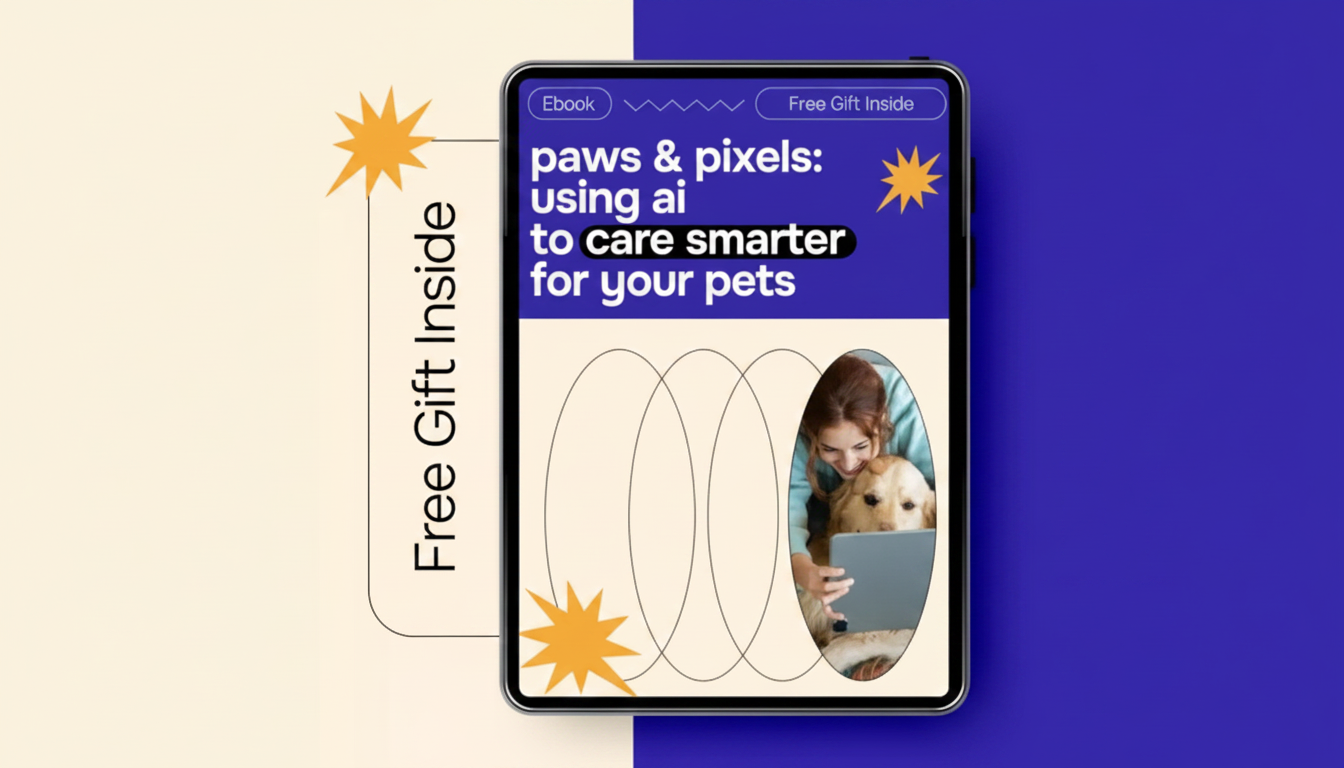
Paws & Pixels: Using AI to Care Smarter for Your Pets
Caring for a pet today can be simpler—and more consistent—when daily routines, health notes, and behavior observations are organized in one place. Used responsibly, AI can help turn scattered details into practical checklists, reminders, and questions to bring to the vet. This guide walks through safe, everyday ways to combine digital tools with real-world pet care so feeding, exercise, training, grooming, and monitoring feel more manageable.
What “smart” pet care looks like day to day
Smart” pet care doesn’t mean high-tech gadgets everywhere. It means getting the basics right, then making them easier to repeat—especially on busy weeks.
- Prioritizes fundamentals first: nutrition, hydration, exercise, enrichment, grooming, sleep, and preventive care.
- Catches small signals early: appetite shifts, scratching, stool changes, and energy dips are easier to notice when they’re logged instead of guessed.
- Uses AI for organization, not diagnosis: pattern-spotting and summarizing notes is helpful; medical decisions still belong with a clinician.
- Builds routines that fit your household: schedules that match work/school (and your pet’s age, breed tendencies, and history) tend to stick.
For trustworthy baseline care guidance, review pet-owner resources from the American Veterinary Medical Association (AVMA).
Where AI helps most (and where it doesn’t)
AI shines when it turns messy, day-to-day observations into clear, shareable information. It’s far less reliable when asked to “decide” what’s medically wrong.
- Helps: converting notes into a weekly plan, generating enrichment ideas, summarizing symptom timelines, and drafting questions for a vet visit.
- Helps: translating observations into useful descriptions (frequency, duration, triggers) that professionals can act on.
- Doesn’t: confirm emergencies, prescribe medications, or rule out serious illness. Urgent symptoms still require veterinary care.
- Set boundaries: treat AI output as a draft to verify—especially diets, supplements, and anything health-related.
A simple data routine that improves care without becoming a chore
The easiest system is the one you’ll actually use. A lightweight “profile + daily check-in + weekly review” often beats detailed tracking that fades after three days.
- Create a pet profile note: age, weight, breed, spay/neuter status, microchip (avoid posting registration details), allergies, chronic conditions, medications, vet contact, and nearest emergency clinic.
- Log once daily in under 60 seconds: appetite (normal/reduced), water intake (normal/increased), stool (normal/loose), energy (normal/low), plus any new behaviors.
- Add photos when useful: skin irritation, limping posture, stool changes, or growths—date-stamped so you can compare over time.
- Review weekly for patterns: recurring GI issues, seasonal itching, anxiety triggers, or lower exercise tolerance.
When the log shows a trend (not just a one-off), it becomes much easier to describe what’s happening—and when—to your veterinarian.
Smart planning for feeding, treats, and weight management
Feeding is where “almost right” routines can quietly drift. AI-assisted planning is most useful for consistency across multiple people in the household and for catching the small extras that add up.
Daily signals to track and what to do next
| Signal | What to note | First step | When to call a vet |
|---|---|---|---|
| Appetite change | How much eaten; how long it’s been; any new food/treats | Check water intake and energy; offer normal diet only | No eating for 24 hours (or sooner for young/ill pets), repeated vomiting, lethargy |
| Itching or licking | Location, severity, new shampoos/foods, fleas/ticks seen | Inspect skin, paws, ears; check parasite prevention schedule | Open sores, ear odor/discharge, intense scratching, swelling |
| Coughing/sneezing | Frequency, triggers (exercise/heat), nasal discharge | Reduce exertion; note environment changes | Breathing difficulty, blue/pale gums, persistent cough |
| Limping | Which limb, onset, any trauma, ability to bear weight | Rest and restrict activity; avoid human pain meds | Non–weight bearing, severe pain, swelling, or >24–48 hours |
Training and enrichment ideas that fit your pet’s temperament
Health monitoring: questions to ask, notes to bring, and red flags
If toxin exposure is suspected, use an emergency resource immediately, such as ASPCA Animal Poison Control, while contacting a veterinary professional.
Privacy and safety when using digital tools for pet care
- Keep sensitive data out of text fields: avoid home address, microchip registration details, and financial information.
- Store records securely: vaccination history, lab results, imaging reports, and prescriptions should be easy to access but protected.
- Verify claims: be cautious with dosage advice and product promises; cross-check with your veterinarian or reputable pet education sources like AAHA Healthy Pet.
- “Guessing” isn’t concluding: if a tool suggests a diagnosis, treat it as a cue to ask better questions, not a final answer.
Putting it all together with a guided digital system
- For a pet-focused setup: Paws & Pixels: Using AI to Care Smarter for Your Pets (ebook) is designed around practical templates like logs, checklists, and vet-visit briefs.
- For broader daily planning support: AI Tools to Organize Your Life Guide can help coordinate schedules so feeding, walks, training, and medication timing stay consistent.
FAQ
Can AI replace a veterinarian for pet health questions?
No. AI can help organize observations and draft questions, but it can’t perform an exam, run diagnostics, or safely rule out serious conditions. If your pet has urgent symptoms (like trouble breathing, collapse, seizures, or suspected poisoning), contact a veterinarian or emergency clinic right away.
What information should be in a vet-visit summary?
Include a clear timeline of symptoms, photos with dates when relevant, recent diet changes, stool/vomit frequency, medications and supplements (with dosages), parasite prevention dates, behavior changes, and any recent travel or unusual exposures. Keeping it to one page makes it easier to review quickly.
How can AI help with training and behavior without overwhelming the schedule?
Use AI to generate short, rotating activity options and simple goals that fit your pet’s energy level and temperament. Keep training sessions to 3–5 minutes, repeat them a few times a day, and track only one or two behaviors at a time so progress stays visible.
















Leave a comment