AI Wardrobe Planning: Seasonal Capsule & Outfit System

AI Wardrobe: Smart Style for Every Season
Seasonal wardrobe switches can feel like a repeat project: sorting, storing, shopping, and still ending up with “nothing to wear.” An AI-assisted approach simplifies the process by cataloging what’s already owned, mapping outfits to real-life needs, and planning seasonal rotations so getting dressed stays easy from winter layers to summer staples. The goal isn’t a “perfect closet”—it’s a dependable system that saves time, reduces duplicate buying, and makes outfits feel intentional in every season.
What “AI wardrobe planning” actually does
AI wardrobe planning is less about trends and more about structure. It creates a simple inventory of clothing, shoes, and accessories (photos plus notes like size, color, fabric, and fit preferences), then uses those details to suggest outfits based on weather, occasion, and your personal rules (colors, silhouettes, comfort level). It also highlights gaps and redundancies—like owning five nearly identical tees but no true layering piece—so shopping becomes targeted instead of reactive.
Most importantly, it builds a repeatable seasonal reset checklist: rotate, repair, tailor, donate, and store. With a small set of preferences (work dress code, favorite colors, laundry schedule), decisions stay consistent even when your calendar and the forecast change.
Seasonal wardrobe planning flow (inputs → outputs)
| Step | What to gather | What the plan produces |
|---|---|---|
| Inventory | Photos of items, quick labels (type, color, fabric) | Searchable closet list and outfit-building pieces |
| Lifestyle map | Weekly activities, dress codes, comfort needs | Outfit priorities (work, errands, events, travel) |
| Weather reality | Typical temps, rain/snow, indoor heating/AC | Layering strategy and fabric guidance per season |
| Capsule build | Favorites + reliable basics + 2–4 statement items | Mix-and-match set with minimal decision fatigue |
| Rotation & storage | Storage bins, hangers, space limits | What stays accessible vs. packed away |
| Shopping filter | Budget, “only if it matches 3 outfits” rule | Smaller, smarter shopping list |
Set up a wardrobe inventory in under an hour
Start with “high-impact” categories: outerwear, shoes, bottoms, and go-to tops. Capturing those first delivers immediate outfit-building value, even if you don’t log every single item on day one. Use consistent photos (similar lighting and background) so colors and silhouettes are easier to compare.
Label each item with 3–5 tags: season (all-season/summer/winter), warmth (light/medium/heavy), formality, and comfort notes (scratchy collar, tight waistband, only works with certain bras). Add care constraints—dry clean, hand wash, wrinkles easily—so you don’t plan outfits that won’t survive real life. Finally, mark items that require action (tailor/repair/replace) and assign a realistic date to deal with them before they become closet clutter.
Build a four-season capsule that still feels personal
A capsule wardrobe doesn’t have to look minimalist; it just has to mix well. Choose a core palette (2–3 neutrals plus 2 accents) so more items work together without buying more. Then add “bridge pieces” that span seasons: lightweight knits, denim, a trench, and versatile sneakers or boots.
Plan layering on purpose with a simple formula: base layer + mid layer + top layer, including at least one option for rain/wind. Before buying anything new, run a three-outfit test: it must complete at least three outfits with items you already own. Also balance silhouettes—if most bottoms are wide, include some fitted tops; if tops are oversized, keep a few slimmer bottoms—so outfits feel finished instead of shapeless.
Season-by-season organization that prevents closet chaos
Seasonal organization works best when it matches how you actually experience weather (including indoor heating and A/C). For reliable forecasts and extreme-weather alerts, checking the NOAA National Weather Service can help you plan realistic layering and footwear needs.
- Spring: Focus on light layers, rain-ready footwear, and temperature swings (cardigans, trench, light scarf).
- Summer: Prioritize breathable fabrics, sun coverage options, and a simplified shoe lineup that matches most outfits.
- Fall: Set up a repeatable uniform (boots + jeans + knit + jacket) and add 1–2 statement layers for variety.
- Winter: Treat warmth as a system—thermal base layers, insulating mid-layers, and weatherproof outerwear.
Outfit planning that matches real schedules
Keep purchases intentional and reduce closet regret
Since wardrobe inventories often involve photos and personal notes, it’s smart to keep your accounts protected. The Federal Trade Commission’s guidance on securing personal information is a helpful baseline for passwords, updates, and safe sharing.
A simple way to start today
Recommended tools (in stock)
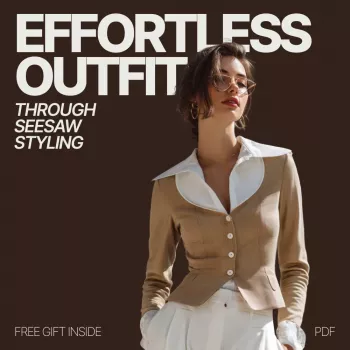
- AI Wardrobe: Smart Style for Every Season – AI-Powered Fashion Planning Guide for Effortless Seasonal Wardrobe Organization (Digital guide for inventory, capsules, rotations, and outfit planning)
- AI Tools to Organize Your Life Guide – Ultimate Daily Planner Companion, Digital Download for Productivity, Time Management, and ai tools for planning daily tasks (Helpful for weekly outfit templates, routines, and seasonal reset reminders)
- Calvin Klein Black Print Backpack with Zip (A practical accessory that can anchor travel-day and errand-day outfit templates)
FAQ
How many items should be in a seasonal capsule?
A practical range is about 25–45 core pieces (tops, bottoms, layers, shoes), excluding special-occasion items. Climate, work dress codes, and how often you do laundry can push that number up or down; the best capsule is the one that covers a full week (or two) of real activities with easy mix-and-match.
What should be stored away vs. kept accessible year-round?
Keep bridge pieces and daily staples accessible (denim, versatile tees, lightweight knits, all-season shoes). Store extreme-weather items and rarely used pieces (heavy parkas, snow boots, high-summer-only items), and keep a small “exceptions” area for travel and unpredictable weather.
How does an AI wardrobe plan help reduce shopping?
It surfaces outfit options from what you already own, identifies true gaps, and prevents accidental duplicates by showing similar items side-by-side. Adding a filter like “must match 3 outfits” turns browsing into a decision rule that cuts impulse buys.












Leave a comment