Budget Garden Hacks: Grow More With Less Money
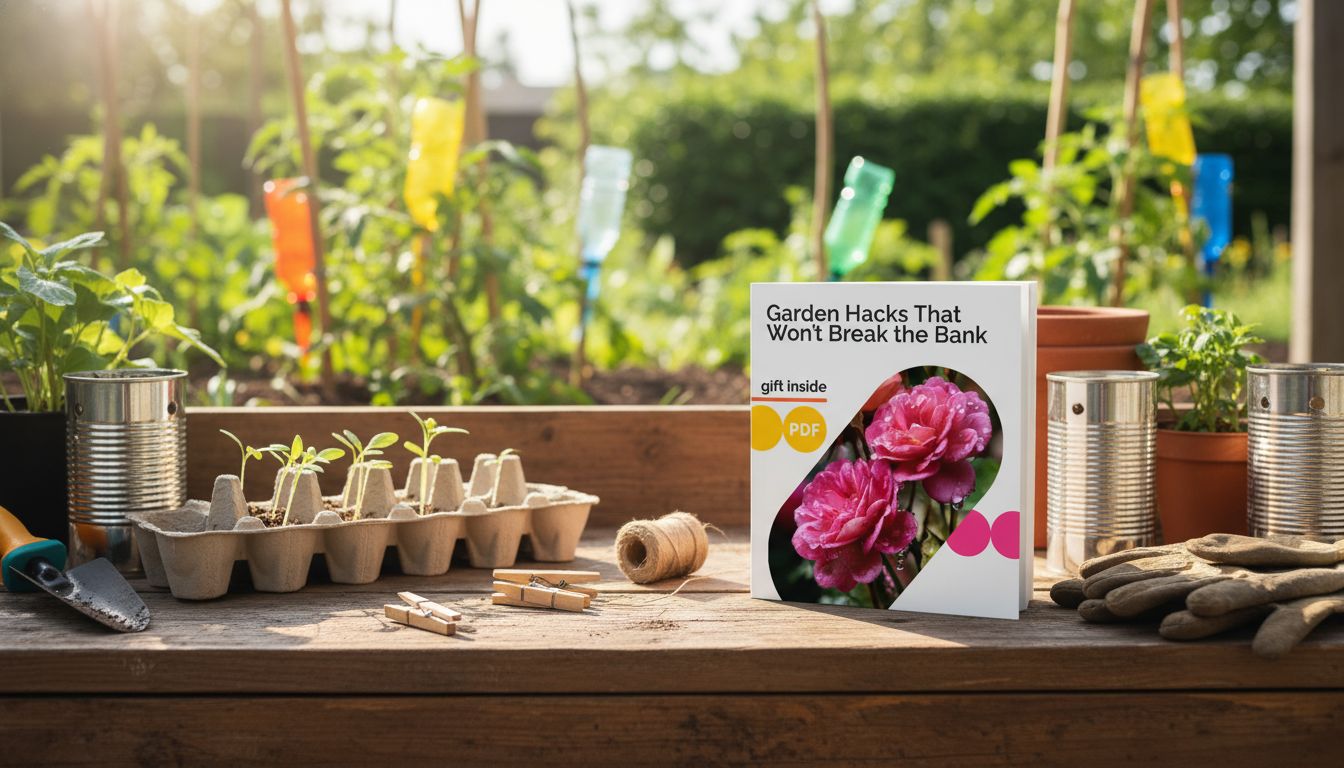
Garden Hacks That Won’t Break the Bank: Practical Ways to Grow More for Less
A thriving garden doesn’t require pricey gadgets or premium supplies. With a few smart, low-cost habits—reusing what’s already at home, improving soil cheaply, and watering with intention—plants can grow stronger while expenses stay small. The goal is simple: reduce repeat purchases and get more harvest per square foot, season after season.
Start with a plan that prevents waste
The cheapest garden upgrade is planning. A five-minute check now can prevent buying the wrong quantity, the wrong crop for your light, or tools you won’t use.
- Measure before you shop: Know the length and width of beds, how many containers you can realistically water, and what areas get 6+ hours of sun.
- Prioritize high-value plants: Herbs, salad greens, cherry tomatoes, peppers, and cut-and-come-again varieties give a long harvest window for a small input.
- Use succession planting: Sow a small amount every 2–3 weeks so you’re eating steadily instead of scrambling to preserve a huge harvest.
- Group by water needs: Keep thirsty crops together and drought-tolerant herbs elsewhere so you’re not overwatering half your garden.
- Keep a quick notebook: Track frost dates, germination, failures, and rough yield. Next season, you’ll spend on what actually performed.
Soil upgrades on a shoestring
Healthy soil is the engine of a budget garden. Instead of replacing soil (expensive and unnecessary), feed and rebuild it gradually. The USDA’s overview of soil health highlights why organic matter and structure matter for water retention and plant resilience.
- Top-dress with compost: Add a 1–2 inch layer on beds; it improves texture and moisture holding without major cost.
- Make compost from what you already have: Combine “greens” (kitchen scraps, fresh weeds) and “browns” (dry leaves, shredded cardboard). This reduces fertilizer purchases over time.
- Use leaf mold: Bag fallen leaves or pile them and let them decompose into a dark, crumbly conditioner that holds moisture like a sponge.
- Adjust slowly: Don’t stack multiple amendments at once. Change one thing, observe, then tweak next month.
- Refresh container soil: Mix in compost plus a small amount of fresh potting mix rather than dumping and replacing everything.
For straightforward home composting do’s and don’ts (and what to skip), the EPA’s guide is a solid reference.
U.S. Environmental Protection Agency — Composting at Home
Water smarter, not harder (and not pricier)
Water is where hidden costs pile up—especially in hot spells. The trick is reducing evaporation and training roots to grow deeper.
- Mulch heavily: Straw, shredded leaves, or untreated grass clippings cut evaporation and suppress weeds (which compete for moisture).
- Water deeply and less often: Daily sprinkles create shallow roots that demand more water later. Soak the soil, then let the top inch dry before watering again.
- Aim at the soil: Wet leaves invite disease and waste water; morning watering helps foliage dry quickly.
- Reuse household water when safe and legal: For non-edible ornamentals, “rinse water” can work—avoid salted, greasy, or harshly soapy water on plants.
- DIY drip for emergencies: A clean bottle with tiny pinholes near the base can slowly water a transplant during heat spikes.
Low-cost pest and disease defenses
Budget pest control is mostly about prevention and speed. A small daily habit beats expensive treatments after an outbreak.
- Use physical barriers first: Row covers, insect netting, and seedling collars stop damage before it starts.
- Hand-pick early: Three minutes a day can prevent a week-long battle later.
- Invite beneficial insects: Small plantings of dill, alyssum, calendula, and native flowers near vegetables can increase helpful predator visits.
- Rotate plant families: Move tomatoes/peppers, cucumbers/squash, and brassicas to different spots each season to reduce recurring soil-borne issues.
- Sanitation saves money: Remove diseased leaves, avoid working plants when wet, and clean pruners between problem plants.
Propagate and swap instead of buying new plants
The most consistent way to cut costs is producing your own plants—then trading extras for variety.
Everyday items that double as garden tools
Budget swaps that work surprisingly well
| Need | Budget-friendly swap | Best use | Quick caution |
|---|---|---|---|
| Mulch | Shredded leaves or straw | Beds and around fruiting crops | Avoid thick mats of wet grass clippings |
| Seed-starting pots | Food containers with holes | Starting herbs and annuals | Sanitize and add drainage |
| Plant supports | Pruned branches + twine | Peas, beans, tomatoes (light trellis) | Check stability after storms |
| Weed barrier | Plain cardboard | New beds and paths | Remove tape and glossy inks |
| Compost accelerator | Chopped greens + browns balance | Faster decomposition | Don’t add meat, dairy, oils |
Retro, proven garden hacks worth bringing back
Spend once, save for years: the highest-impact small buys
Some purchases pay for themselves by preventing losses or reducing recurring expenses. If you like having a step-by-step reference on building a low-cost routine, this digital guide is a practical companion: Budget-Friendly Gardening Guide for Thriving Gardens.
- Quality pruners: Cleaner cuts reduce disease entry points and keep plants productive.
- Basic soil testing: A small test kit—or a local extension test—prevents wasting money on the wrong amendments.
- Reusable row cover: Protects seedlings from pests and surprise chills, often saving more plants than it costs.
- Consistency support: Building tiny routines matters; resources like Confidence, Not Ego – Checklist can help keep momentum when results take time.
Put it all together: a 7-day budget reset for the garden
FAQ
What are some effective retro gardening hacks?
Layer wet newspaper under mulch to block weeds, build a simple cold frame from a salvaged window or clear bin to stretch the season, and use branch trellises for climbers. Skip glossy paper, and make sure any DIY supports are stable before storms so plants don’t snap or sprawl.
















Leave a comment