Eco-Friendly Slow Feeder Dog Bowl Guide for Calmer Meals
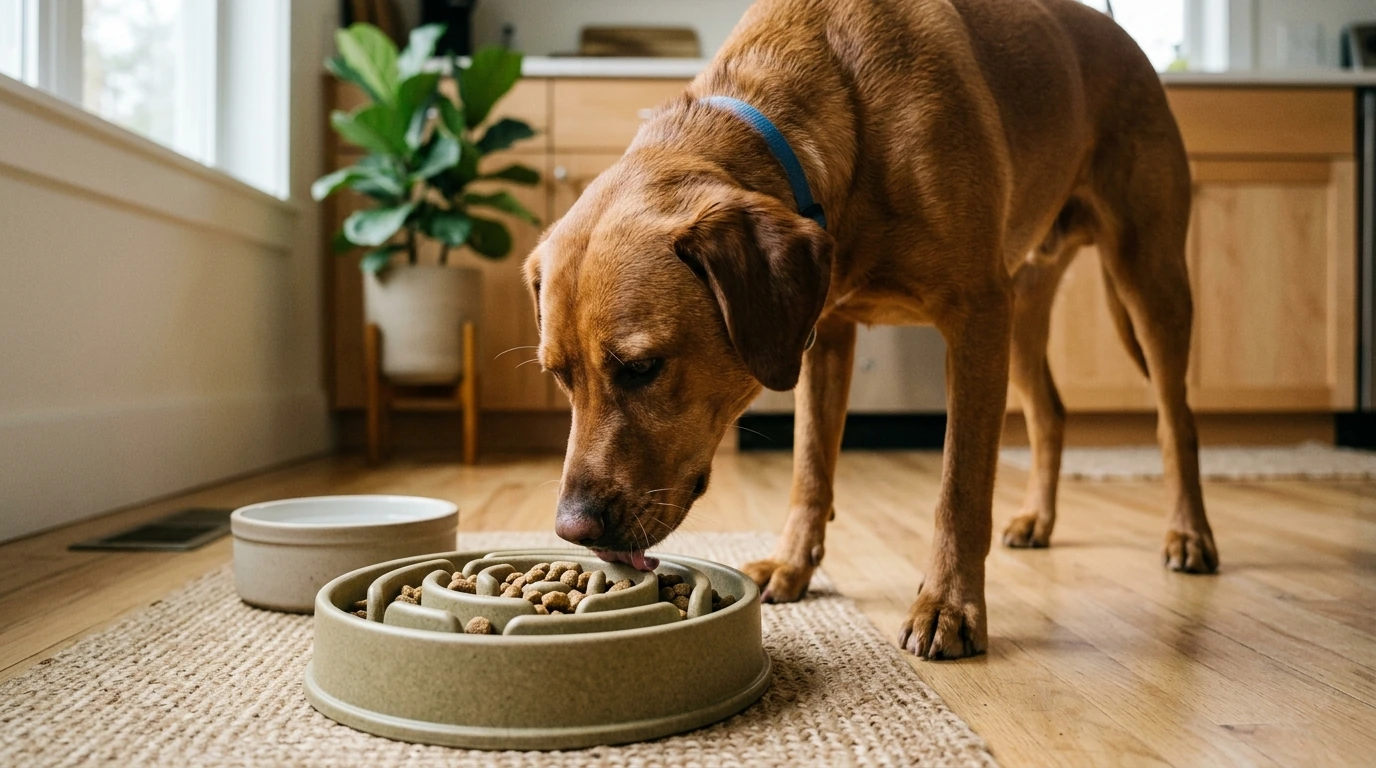
Eco-Friendly Slow Feeder Dog Bowl: Calmer Meals, Less Gulping, Less Waste
Fast eaters can turn mealtime into a noisy, stressful race that may lead to gulping, gagging, and messy feeding areas. A slow feeder bowl creates gentle obstacles that encourage smaller bites and more licking, while eco-friendly materials help reduce plastic-heavy pet gear. This guide covers benefits, safety, daily use, and what to look for in an eco-conscious slow feeder.
Why a slow feeder can change mealtime
A slow feeder isn’t just a “cute puzzle bowl.” For many dogs, it’s a simple switch that reshapes how they eat—especially if they inhale meals in seconds.
- Helps slow down rapid eating by making the dog work around ridges or maze-like patterns.
- May reduce regurgitation for dogs that gulp air or swallow large mouthfuls (though it’s not a medical treatment).
- Adds enrichment: licking and problem-solving can be calming for some dogs, turning feeding into a focused activity.
- Supports portion control routines by spreading kibble across channels instead of piling it in one spot.
- Can be helpful for multi-dog households when paired with separate feeding stations to reduce competition and food-guarding triggers.
If bloat risk is a concern in your household, it’s worth learning the warning signs and talking with a veterinarian about your dog’s specific risk factors. The American Kennel Club’s overview is a solid starting point: AKC — Bloat in Dogs (Gastric Dilatation-Volvulus).
What “eco-friendly” can mean for dog bowls
“Eco-friendly” can look different from brand to brand, so it helps to focus on the practical impacts you can actually evaluate at home.
- Lower-impact materials: options may include plant-based composites, recycled inputs, or durable designs meant to be used longer (less frequent replacement).
- Reduced packaging or lighter shipping footprint can also contribute to sustainability goals.
- Durability matters: a bowl that resists cracking and warping helps avoid repeat purchases and waste.
- Safety still comes first: materials should be food-safe, smooth enough to avoid gum irritation, and easy to sanitize.
For nutrition best practices (like portioning, treating, and evaluating body condition), the WSAVA Global Nutrition Guidelines are a helpful reference point to discuss with your vet—especially if you’re adjusting meal routines alongside a new feeding tool.
Eco-Friendly Slow Feeder Dog Bowl: highlights and practical benefits
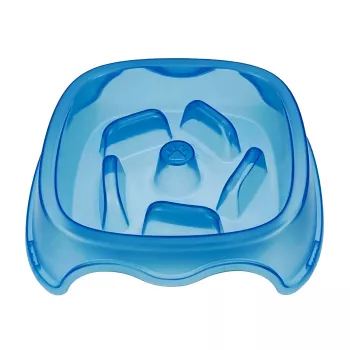
If you’re looking for a straightforward, low-fuss way to slow down meals, the Eco-Friendly Slow Feeder Dog Bowl is designed to introduce a pattern inside the bowl that breaks up mouthfuls and encourages licking.
- Designed to slow eating with an internal pattern that interrupts gulping and nudges smaller bites.
- Suitable for dry kibble and many wet-food styles; spreading food thinly typically works best.
- A budget-friendly way to test slow feeding before investing in more complex feeding systems.
- Works well as a daily bowl or as an enrichment feeder a few times per week, depending on the dog’s preference.
- For dogs prone to frustration, starting with loosely scattered kibble (not packed into grooves) can make the learning curve gentler.
Choosing the right slow-feeder difficulty (without annoying your dog)
The “best” slow feeder is the one your dog will actually use calmly. Too easy and it won’t slow anything down; too hard and it can create frustration that spills into pawing, flipping, or quitting mid-meal.
- Match difficulty to temperament: anxious or easily frustrated dogs often do best with wider channels and fewer tight corners.
- Match to muzzle shape: short-nosed breeds may need shallower patterns; longer snouts can handle deeper mazes.
- Start easy, then adjust: if a dog quits mid-meal or starts pawing aggressively, the pattern may be too challenging.
- Watch chewing behavior: dogs that chew bowls may need sturdier materials and supervised feeding until trust is established.
Quick guide: picking a slow-feeder setup
| Dog type | Best starting pattern | Feeding tip |
|---|---|---|
| Very fast eater, low frustration tolerance | Low-to-medium maze with wide lanes | Scatter kibble across the whole surface; avoid packing grooves at first |
| High-energy, loves puzzles | Medium-to-higher maze with tighter turns | Use a small portion of meal for training rewards if motivation drops |
| Flat-faced or short muzzle | Shallow ridges, open paths | Use wetter textures or soak kibble slightly to help it cling and spread |
| Senior dog or dental sensitivity | Low-profile pattern | Try soft food spread thin; ensure edges feel smooth against gums |
How to use it for smoother, cleaner meals
A slow feeder usually works best with a short “ramp-up” period. The goal is calm engagement—not a wrestling match with the bowl.
Cleaning and safety checks that matter
When to ask a veterinarian before switching feeding tools
Shop featured items
- Eco-Friendly Slow Feeder Dog Bowl
- AI Tools to Organize Your Life Guide – Ultimate Daily Planner Companion (Digital Download)
- “Save Like a Pro!” – The Ultimate Monthly Savings Checklist (Digital Download)
FAQ
Is a slow feeder safe for every dog?
Most dogs can use one safely, but introduce it under supervision. Avoid overly difficult patterns for dogs that get frustrated, and consult a veterinarian if there’s a history of choking, frequent regurgitation, or suspected swallowing problems.
Can wet food be used in a slow feeder bowl?
Yes. Spread wet food in a thin layer across the grooves so the dog licks and nibbles rather than taking big mouthfuls. Clean promptly after use because wet food residue can cling in channels.
How do you stop a slow feeder bowl from sliding around?
Use a rubber feeding mat, place the bowl on a textured surface, or choose a stable spot with good traction. Overly enthusiastic dogs may also benefit from a heavier bowl or supervised practice sessions.












Leave a comment