Family Pet Care Routine: Shared Checklist That Works
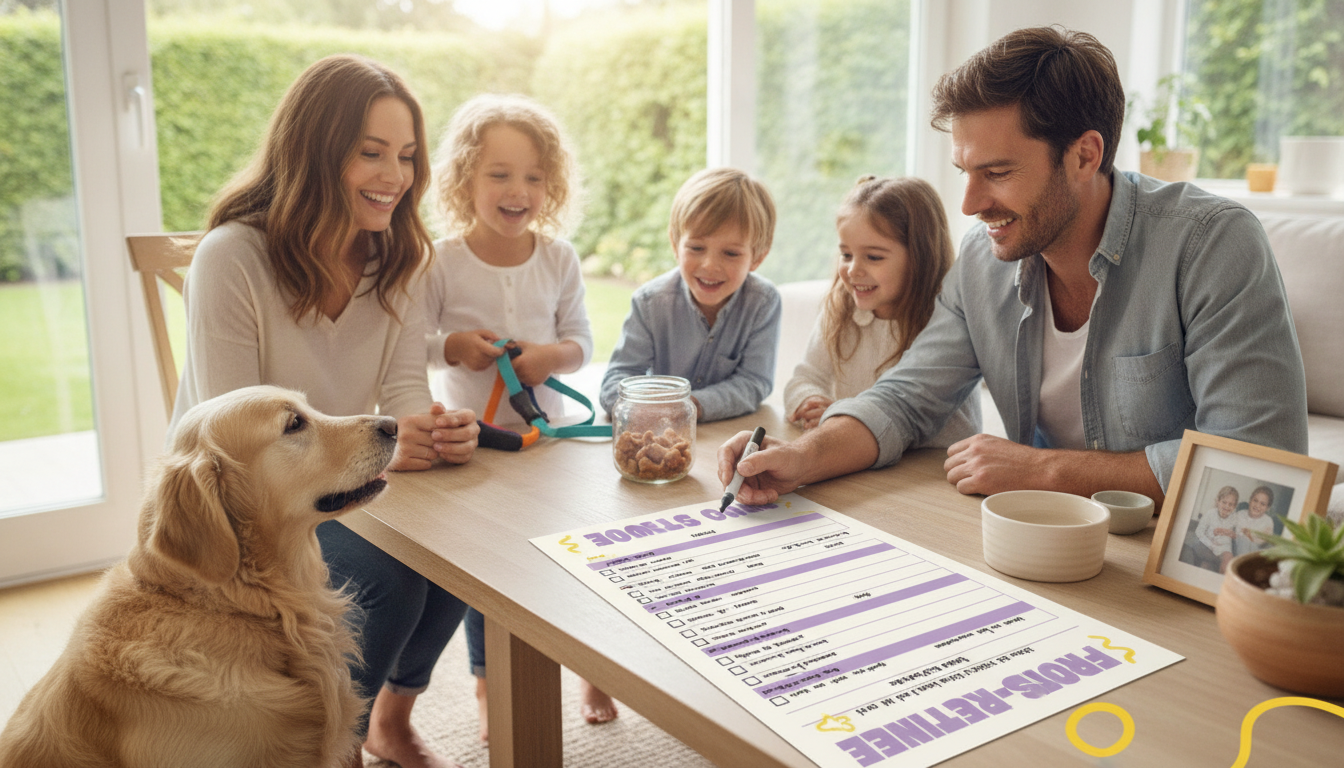
A Calm, Shared Family Pet Care Routine That Actually Sticks
When everyone loves the pet but no one owns the routine, small tasks slip—meals get doubled, walks get missed, and vet reminders arrive late. A clear family system makes care consistent, reduces last-minute stress, and helps kids participate safely. The goal is simple: define the essentials, assign them clearly, and track them in one place so the pet’s needs are met every day.
Start with the “non‑negotiables” for your pet
Before assigning anything, get clear on what truly must happen for health and safety. A routine sticks better when the core list is short, specific, and measurable.
Daily essentials
List daily basics such as fresh water, meals with the correct portion, potty breaks (or litter care), enrichment (play, sniffing, training games), and a quick health check. That check can be as simple as noticing appetite, energy level, and stool quality.
Weekly essentials
Add items like grooming, nail checks, washing bowls, refreshing bedding, rotating toys, and short training refreshers. Weekly care keeps problems from building up (matting, odors, boredom behaviors) and makes the home feel calmer.
Monthly and seasonal essentials
Include parasite prevention (as advised by your veterinarian), supply restocks, and quick home safety checks—plants, cords, gates, fences, and any new escape routes.
To prevent overwhelm, separate “must do” tasks (health/safety) from “nice to do” tasks (extra brushing, new tricks). On a chaotic day, minimum viable care still covers the must-dos.
Assign roles so tasks don’t float between family members
Vague ownership is the fastest way to double-feed or skip care. The fix is a simple division of categories plus a backup plan.
- Choose a primary owner for each category: feeding, exercise, hygiene, training, and admin (appointments, meds, refills).
- Use a back-up rule: every critical task has a named back-up person for busy days.
- Make kid-friendly responsibilities time-bound and specific (example: “refill water bowl after school”).
- Add a visible handoff cue: magnet, checkbox, or note that signals “done.”
| Task | Primary | Back-up | When | Done signal |
|---|---|---|---|---|
| Breakfast (measured portion) | Adult A | Teen | 7–8am | Checkbox on fridge |
| Evening walk/play | Adult B | Adult A | 5–7pm | Leash hung on hook |
| Water refresh | Child | Adult B | After school | Bowl filled to line |
| Litter/scoop or yard pickup | Teen | Adult A | Daily | Trash taken out |
| Meds/preventatives | Adult A | Adult B | As scheduled | Calendar reminder marked complete |
Build a daily rhythm around natural household moments
Instead of “finding time” for pet care, attach it to things that already happen. Anchors reduce decision fatigue and make the routine feel automatic.
- Pair breakfast with measured feeding and a quick water refresh.
- Pair school drop-off or after-school time with a potty break, short walk, or 10-minute play block.
- Pair dinner prep with litter/yard cleanup and a quick check of bowls.
- Pair bedtime with a final potty break and a calm wind-down.
Keep the routine short and repeatable; consistency beats complexity. For high-stress days, use “minimum viable care”: water, meals, potty, and one enrichment block. Then add a five-minute evening reset: pre-portion tomorrow’s meal, confirm who handles morning care, and note any low supplies.
Set up your care station to remove friction
When supplies are scattered, even motivated family members procrastinate. A small “care station” makes it easy for anyone to step in—especially backups.
- Store essentials together: food, measuring scoop, treats, leash, waste bags, grooming tools, and cleaning supplies.
- Label containers and keep portions consistent to prevent accidental overfeeding.
- Create a “grab-and-go” walk bin with leash, harness, bags, and a flashlight.
- Keep medications and preventatives in a safe, child-proofed spot with dosing instructions visible.
If the family wants one tool that pulls the system together, use a single printable checklist in the command center and mirror it on a shared phone calendar. A ready-to-use option is Mastering a Stress-Free Family Pet Care Routine | Printable Checklist for Families.
Track health, behavior, and appointments without overcomplicating it
Multi-person households miss patterns because observations stay in someone’s head. A simple log turns “maybe” into clear information you can act on.
For general pet care guidance and safety basics, consult reputable resources like the American Veterinary Medical Association (AVMA), the ASPCA, and the CDC Healthy Pets, Healthy People. When something looks off and symptoms are persistent or severe, contact a veterinarian promptly rather than waiting for the next “routine day.”
Make the checklist the “single source of truth” for the family
If your household already relies on daily planning, pairing pet care with a broader routine can reduce friction. A supportive resource is AI Tools to Organize Your Life Guide – Ultimate Daily Planner Companion.
Common pitfalls and quick fixes
FAQ
What pet care tasks are safe for kids to handle?
Many kids can help with water refills, toy rotation, and brushing a calm pet, and older kids can assist with measured feeding under supervision. Adults should handle medications, leash control for strong or reactive pets, and any task with bite/scratch risk; prioritize handwashing and gentle handling every time.
How often should a family pet care checklist be updated?
A quick weekly review is usually enough to catch missed tasks and rebalance roles. Update immediately after major life changes (school schedules, travel, new medication) and seasonally when needs shift, such as parasite prevention timing or heavier shedding.
How can routines work in a multi-pet household?
Create per-pet sections on the checklist, color-code bowls and meds, and use separate feeding stations to prevent mix-ups and reduce resource guarding. Track each pet’s medications individually, and if tension or conflict appears, contact a veterinarian or qualified trainer for guidance.
















Leave a comment