Hanging Plants for Small Homes: Easy Care & Placement
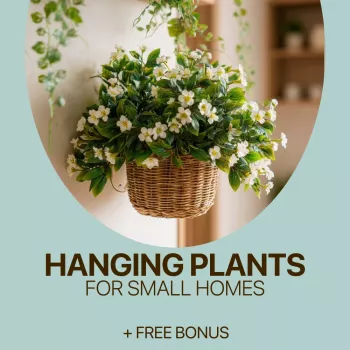
Hanging Plants for Small Homes: Space-Saving Indoor Greenery, Care Tips, and Beginner-Friendly Ideas
Hanging plants add lush greenery without taking up precious floor space, making them ideal for apartments, studios, and compact rooms. With the right placement, light, and a low-mess watering routine, trailing vines can look intentional (not chaotic) and stay healthy for the long haul. Below are practical spots to hang them, beginner-friendly plant options, and simple fixes for the most common issues.
Why hanging plants work so well in small homes
- They create vertical greenery without crowding shelves, desks, or walkways.
- They soften hard edges and add height to a room with minimal décor changes.
- They help define zones (a reading corner, dining nook, or entryway) with natural “curtains” of foliage.
- They can keep certain plants out of reach of pets and small children when placed thoughtfully.
- They pair well with low-footprint lighting (window light, floor lamps) and compact furniture.
Best places to hang plants (and what to watch for)
Location matters more for hanging plants because light and airflow change quickly from one wall to the next. Before drilling any hooks, stand in the spot at different times of day and notice heat, glare, and drafts.
- Near bright windows: Hang slightly to the side of direct sun to prevent scorch on sensitive leaves.
- Corners: Use corner brackets or ceiling hooks to fill “dead” space with trailing growth.
- Above sinks or tubs: Humidity can help, but ensure enough light and ventilation to reduce mildew.
- Over shelves and bookcases: Creates a layered look; protect surfaces from drips with saucers and liners.
- Ceilings and beams: Confirm anchors are rated for the combined weight of plant + wet soil + pot.
Placement guide for hanging plants in small rooms
| Location | Typical light | Good plant types | Key caution |
|---|---|---|---|
| Bright window (indirect) | Medium–bright | Pothos, philodendron, spider plant | Rotate weekly for even growth |
| South/west direct sun | Bright–very bright | String of pearls (acclimated), hoya (some types) | Use a sheer curtain to prevent leaf burn |
| Bathroom (with window) | Low–medium | Pothos, ferns (with care), spider plant | Avoid stagnant air; watch for mold |
| Kitchen corner | Low–medium | Pothos, heartleaf philodendron | Keep away from heat/grease splatter |
| Above shelves | Medium | Trailing peperomia, pothos, ivy (if well-ventilated) | Protect shelves from water runoff |
Beginner-friendly hanging plants that forgive mistakes
For small homes, the best choices are plants that tolerate imperfect light and bounce back if watering is a little late.
- Pothos (Epipremnum aureum): Fast-growing, tolerates lower light, and gives clear “thirst” cues when leaves droop slightly.
- Heartleaf philodendron (Philodendron hederaceum): Similar ease to pothos with softer, heart-shaped leaves.
- Spider plant (Chlorophytum comosum): Produces “babies,” adapts to many light levels, and is easy to propagate.
- Hoya (wax plant): Slow to moderate growth, thick leaves, and prefers drying slightly between waterings.
- Tradescantia: Colorful trailing stems; grows quickly in bright light and roots easily from cuttings.
- String of hearts: Delicate look, prefers bright indirect light, and needs careful watering to avoid rot.
If pets share your space, double-check toxicity before bringing a new plant home using the ASPCA plant database.
Light basics for hanging plants (so vines don’t get leggy)
- Bright indirect light suits most trailing plants: strong ambient light without harsh midday sun.
- Low light can work for pothos/philodendron, but growth slows and spacing between leaves increases.
- Rotate pots every 1–2 weeks to prevent one-sided growth toward the window.
- If natural light is limited, place a small LED grow light above the basket on a 10–12 hour timer.
- Read the leaves: pale new growth can mean low light; crispy edges often mean too much direct sun or dry air.
For deeper general houseplant guidance on light and day-to-day care, the Royal Horticultural Society is a dependable reference.
Watering without mess: a simple routine for hanging baskets
- Use the “lift test”: a light pot often needs water; a heavy pot usually does not.
- Water thoroughly until a little drains out, then let the plant drain fully before rehanging.
- Take baskets down to water in the sink or shower when possible; it reduces drip stains and fungus gnats.
- Choose pots with drainage holes. If using decorative cachepots, keep the nursery pot inside and empty excess water.
- Adjust by season: most indoor plants need less water in winter and more during bright, warm months.
For practical watering fundamentals (and why “little sips” can cause problems), see the University of Minnesota Extension indoor plant resources.
Soil, pots, and hangers: keeping weight safe and roots healthy
Care tips that make hanging plants thrive (and look intentional)
Common problems and quick fixes
A simple starter plan for a small home
Helpful picks for small-space plant parents
- Hanging Plants for Small Homes: The Ultimate Guide to Space-Saving Indoor Greenery, Care Tips, and Beginner-Friendly Plant Ideas (digital guide for plant selection, placement ideas, and care basics)
- AI Tools to Organize Your Life Guide – Ultimate Daily Planner Companion (useful for building simple watering/rotation routines)
FAQ
How often should hanging indoor plants be watered?
Most hanging houseplants land around every 7–14 days, but the right timing depends on light, pot size, and season. Check soil moisture and pot weight instead of watering by the calendar, since brighter windows and warm air can dry baskets faster.
What are the easiest hanging plants for beginners?
Pothos and heartleaf philodendron are top picks because they tolerate lower light and recover well from missed waterings. Spider plants are adaptable and easy to propagate, and many hoyas do best with a simple “water only after drying a bit” approach.
Do hanging plants need special potting soil?
Standard indoor potting mix works, but it should drain well; adding perlite or orchid bark helps roots get air and reduces soggy soil. Good drainage matters even more in hanging baskets to prevent rot and to avoid constant dripping after watering.











Leave a comment