Highway Driving Confidence: Calm Steps for Nervous Drivers
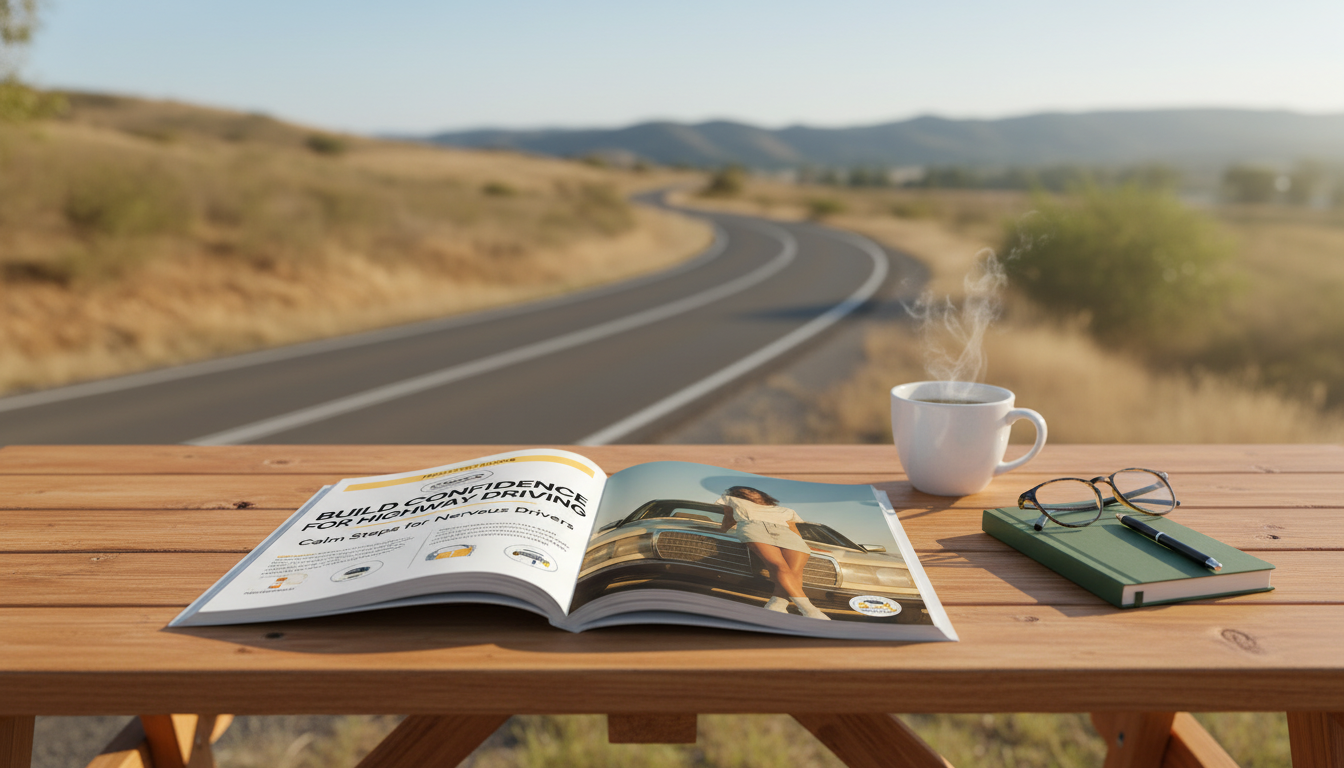
Build Confidence for Highway Driving: A Practical, Calm Approach for Nervous and Beginner Drivers
Highway anxiety is common—especially when merging, changing lanes, or driving at higher speeds. Confidence grows fastest with a clear plan: skills to practice in the right order, simple tools to stay calm, and short sessions that build comfort without overwhelming pressure. With repetition, your brain starts to recognize patterns (traffic flow, ramp timing, safe gaps), and what used to feel chaotic becomes predictable.
Why highway driving can feel overwhelming (and why it’s fixable)
Highway driving compresses a lot of decisions into a short window: higher speeds, more vehicles, and fewer “pause points” like stop signs. That combination can trigger a stress response even in otherwise capable drivers.
Anxiety often shows up as tunnel vision, gripping the wheel, hesitant merging, or avoiding lane changes. The good news: these are habits—not personality traits—and habits change best with structured practice.
Confidence improves when your brain learns predictability: what to look for, what to do next, and how to recover from small mistakes. Driver safety agencies emphasize planning ahead, managing space, and staying focused—foundational skills that reduce surprise and lower stress over time (see NHTSA driver safety resources and the APA overview of anxiety).
A step-by-step comfort ladder (from quiet roads to busy interstates)
Trying to “just do it” on a crowded interstate can backfire. Instead, build a ladder: start easy, add one new challenge per session, and repeat the same route until it feels routine. Variety comes after comfort—not before.
Practice progression for building highway confidence
| Stage | Where to practice | Focus skill | Success marker |
|---|---|---|---|
| 1 | Large parking lot + low-speed roads | Smooth steering, steady braking | No sudden stops; relaxed grip |
| 2 | Multi-lane city road (35–45 mph) | Mirror checks, lane discipline | Consistent lane position |
| 3 | Short highway segment (1–2 exits) | On-ramp acceleration, merging | Merge without abrupt braking |
| 4 | Moderate traffic highway | Lane changes, following distance | Two calm lane changes |
| 5 | Busier highway/interstate | Reading flow, planning exits | Drive 15–25 minutes with stable pace |
Use micro-goals to keep each drive manageable: “Hold a steady speed for five minutes,” “Complete one merge,” or “Pass one slower vehicle safely.” If a session feels rough, scale down the goal rather than avoiding the highway entirely—avoidance teaches the brain that highway driving is dangerous, while gentle repetition teaches it that you can handle it.
Core skills that reduce panic: scanning, spacing, and speed control
1) Scanning routine (simple and repeatable)
A reliable scan reduces the “surprise factor.” Try: far-ahead view (12–15 seconds up the road), mirrors every 5–8 seconds, and quick shoulder checks before lane changes. If anxiety spikes, widen your gaze—look farther down your lane, not just at the bumper ahead.
2) Spacing that creates time
Space equals options. Aim for a steady following gap and increase it in rain, at night, or any time you feel tense. More distance gives you more time to brake gradually, which keeps your body calmer and your driving smoother. Public health guidance on crash prevention consistently highlights staying alert and leaving room to react (see CDC motor vehicle safety).
3) Speed control that supports safe merges
One common anxiety loop is slowing down on an on-ramp because the highway feels fast—then feeling even more trapped because merging becomes harder. A steadier approach is safer and calmer: accelerate on the ramp to match traffic flow, choose a gap, and merge smoothly without abrupt braking.
4) Lane positioning without weaving
Pick a comfort lane while practicing (often right or middle) and stay there unless you have a clear reason to move. Fewer lane changes reduces mental load. As you gain confidence, lane changes become purposeful rather than urgent.
Merging and lane changes: a simple decision sequence
Merging (signal early, build speed, commit smoothly)
Use a short, consistent sequence: signal early, accelerate on the ramp to match traffic, pick a gap, and commit with steady steering. Your goal isn’t “perfect timing”—it’s predictable, smooth movement that other drivers can read.
Lane changes (reduce overthinking with a checklist)
If a gap doesn’t appear
Calm driving tools for the moment anxiety spikes
A realistic weekly plan (short sessions that add up)
Digital guide option for structured practice
If practice feels random, a guided format can help you follow a clear order: what to learn first, what to add next, and how to handle common sticking points like merges and lane changes. The Build Confidence for Highway Driving digital guide (eBook download) is designed for beginners and nervous drivers who want calm, repeatable routines you can practice on short routes.
For drivers who feel overwhelmed by planning practice sessions (and want a simple way to schedule micro-goals and track wins), the AI Tools to Organize Your Life Guide (digital download) can be used as a planning companion—set weekly driving sessions, list one focus skill per drive, and keep notes that reinforce progress.
FAQ
How long does it take to feel comfortable driving on the highway?
Many drivers notice improvement in a few weeks of consistent, short sessions, but feeling truly comfortable can take a couple of months. Progress is often non-linear—repeating the same route at off-peak times usually builds confidence faster than constantly changing conditions.
What should a nervous driver do if they miss an exit or can’t merge?
Keep driving predictably and continue to the next exit rather than making a sudden move. Signal early, avoid abrupt braking, and reset your route safely—missing an exit is normal, and safe reroutes are part of learning.
Are there quick techniques to calm down while still driving safely?
Use a longer exhale for 30–60 seconds, relax your shoulders and grip, and increase your following distance to create more time. Focus on simple cues—lane lines, far-ahead view, and a steady speed—to shift attention back to the task of driving.















Leave a comment