How to Knit for Beginners: Cast On to Bind Off
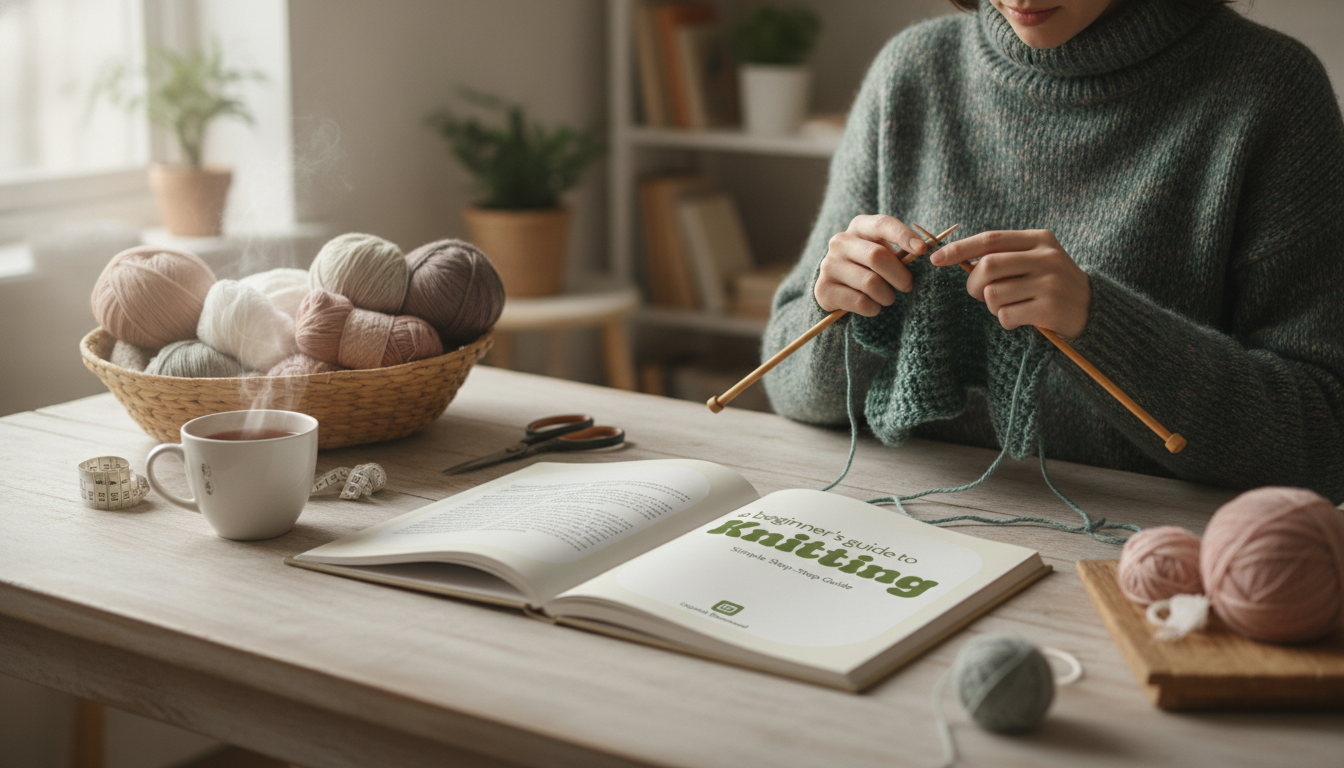
A Beginner’s Guide to Knitting: Simple Steps to Start With Confidence
Knitting is a calming, practical craft that turns a few basic motions into cozy, useful items. With the right starter supplies and a clear sequence—cast on, knit, purl, bind off—most beginners can make a first swatch in under an hour. The key is to learn in small, confidence-building steps and expect the first few rows to look a little uneven while your hands figure out tension and rhythm.
What Knitting Is (and What You’ll Learn First)
Knitting uses two needles to create fabric from interlocking loops of yarn. Those loops can be arranged in countless ways, but beginners only need a few early milestones to get moving:
- Make a slipknot
- Cast on stitches (create the first row of loops on your needle)
- Knit stitch (your primary building block)
- Purl stitch (the knit stitch’s partner that unlocks textures and patterns)
- Bind off (finish the edge so it doesn’t unravel)
A small practice swatch is the fastest way to build muscle memory before starting a full project. If your edges wobble or your tension varies at first, that’s normal—many beginners notice better consistency after 30–60 minutes of relaxed practice.
Starter Supplies That Make Learning Easier
Beginning with forgiving materials makes the learning curve gentler. Medium-weight yarn and a comfortable needle size help you see each stitch clearly and avoid fighting your tools.
Beginner Knitting Setup (Simple, Practical Choices)
| Item | Beginner-friendly pick | Why it helps |
|---|---|---|
| Yarn | Worsted/Aran, light color, smooth texture | Clear stitch definition and fewer split strands |
| Needles | 5.0 mm (US 8) straight or circular (used flat) | Easy handling and comfortable stitch size |
| Notions | Scissors + tapestry needle | Clean finishing and easy end weaving |
| Optional | Stitch markers + measuring tape | Simplifies counting and checking progress |
For yarn weights and how they’re categorized, the Craft Yarn Council’s reference is a helpful bookmark: Craft Yarn Council – Yarn Standards. If you’re matching needle sizes to yarn, their conversion chart can also clear up confusion: Craft Yarn Council – Needle/Hook and Yarn Conversion.
Step 1: Make a Slipknot and Hold the Yarn Comfortably
Start with a slipknot that tightens around the needle but still slides when you nudge it. If it locks in place, it tends to create a too-tight first stitch, which makes the next steps feel harder than they should.
- Hold the needles lightly—white-knuckle gripping usually leads to sore hands and tight stitches.
- Keep shoulders down and wrists neutral; comfort matters more than speed.
- Before knitting, practice making a few loops and sliding them along the needle to feel how the yarn glides.
Step 2: Cast On a Small Number of Stitches
For a first swatch, cast on 15–25 stitches. A narrow swatch is easier to count, easier to fix, and less frustrating if you decide to restart (which is completely normal while learning).
- Aim for an even edge: stitches should slide on the needle without being loose and floppy.
- If the cast-on edge feels like a tight cord, restart and leave each loop a touch larger.
- Count carefully. Miscounts at the beginning can make later rows feel confusing.
Step 3: Knit Stitch (Your First Rows)
The knit stitch is the first motion most people learn, and it’s worth going slowly enough to keep each stitch similar in size.
- Insert the right needle into the front of the first stitch on the left needle.
- Wrap the yarn around the right needle.
- Pull a new loop through and slide the old stitch off the left needle—one knit stitch complete.
Instead of pulling the yarn tight after every stitch, let the needle shafts set the stitch size. A common beginner shortcut is “tighten to feel secure,” but that usually makes stitches hard to move and slows you down.
Step 4: Learn the Purl Stitch to Unlock Patterns
The purl stitch is the knit stitch’s partner. With knit and purl together, you can create ribbing, seed stitch, and many beginner-friendly textures.
Step 5: Bind Off Cleanly So It Doesn’t Pucker
Common Beginner Problems and Quick Fixes
A Simple First Project Path (Swatch to Useful Item)
Using a Step-by-Step Digital Guide for Faster Progress
- A Beginner’s Guide to Knitting – Simple Step-by-Step Guide for Beginners (Digital Download) is designed to reinforce the basics—stitch anatomy, tension, and the core sequence from cast on to bind off.
- If you like planning your practice sessions and keeping notes on yarn/needle combos, AI Tools to Organize Your Life Guide – Ultimate Daily Planner Companion (Digital Download) can be used to map out short daily drills, reminders, and project checklists.
FAQ
What yarn is best for a total beginner?
A smooth, light-colored worsted/aran yarn is ideal because you can see each stitch clearly and the strands are less likely to split. Fuzzy or very dark yarns can hide mistakes and make learning more frustrating; for practice, wool or acrylic both work well as long as the yarn is smooth and medium weight.
How long does it take to learn the basics of knitting?
Many people learn cast on, knit, purl, and bind off in one focused session, then get more consistent over a few days of short practice. Fifteen minutes a day often improves tension and stitch recognition faster than an occasional long session.
Why are my stitches so tight and hard to move?
This usually happens from pulling the working yarn too firmly, gripping the needles tightly, or forming stitches on the needle tips instead of the wider shaft. Relax your hands, let stitches rest on the needle shaft, and consider using a slightly larger needle size while you build comfort.















Leave a comment