Outdoor Hobbies Guide: Explore, Create & Thrive Outside
Outdoor Adventures Await – A Complete Guide to Hobbies for Outdoor Lovers
Outdoor time feels better when there’s a purpose: a trail to follow, a skill to practice, a place to notice, or something to make. The good news is that “outdoor hobbies” isn’t one category—it’s a menu. Whether you have 20 minutes after work or a full Saturday to roam, the right hobby makes it easier to get outside consistently, stay comfortable, and come home with that satisfied, pleasantly-tired feeling.
Pick a path: explore, create, or thrive outside
Most outdoor hobbies fall into three satisfying lanes. Choosing a lane first helps narrow decisions fast—especially when motivation is low.
Explore (cover ground)
These are movement-based hobbies that naturally rack up steps, miles, and “new places” points: hiking, cycling, paddling, trail walking, or geocaching. If the goal is to feel refreshed and energized, explore hobbies are the easiest to default to.
Create (make or capture something)
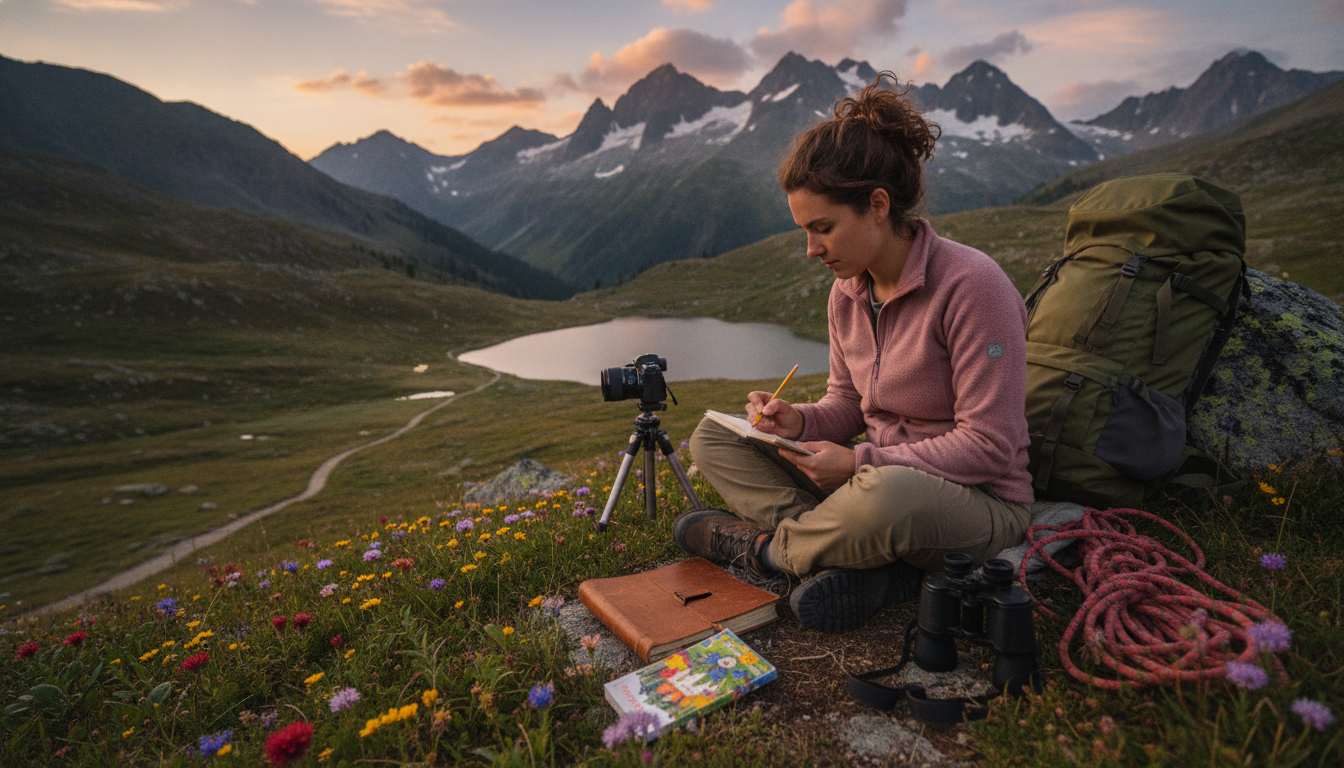
Creating outdoors turns a walk into a project: nature photography, sketching, watercolor, trail journaling, or responsible foraging with education. These hobbies sharpen attention and help slow the day down—great for stress relief.
Thrive (build capability)
Thriving hobbies build confidence and competence: camp cooking, navigation practice, outdoor fitness, or volunteering for trail and shoreline cleanups. A small boost in skills makes every future outing easier.
A practical approach: pick one “default” hobby for weekdays (simple, close by) and one “adventure” hobby for weekends (longer, farther, or more skill-based). This keeps momentum without requiring constant planning.
Outdoor hobbies by vibe, time, and difficulty
Time is the best filter. Start with what’s realistic, then expand.
- 30–60 minutes: a nearby park loop, neighborhood geocache hunt, quick photography walk, or birdwatching session.
- Half-day: a local trail system, a longer bike route, or a “visit two parks” mini-tour.
- Full-day: a regional destination, paddling day, or a bigger skills practice day (navigation + cooking + a longer hike).
Difficulty should match recovery and schedule. Low-impact options can still feel deeply satisfying—especially when they’re paired with a small goal like “spot five bird species” or “photograph three textures.” Build variety by season too: trade trail running for snowshoeing, or paddling for crisp winter nature walks.
| Goal | Good fits | Starter gear | Best season |
|---|---|---|---|
| Move more | Hiking, trail walking, cycling | Comfortable shoes, water bottle, small daypack | Year-round |
| See wildlife | Birdwatching, nature walks, tide pooling | Binoculars (optional), field guide app, notebook | Spring/Fall |
| Make something | Nature photography, sketching, journaling | Phone/camera, small sketch kit, waterproof notebook | Year-round |
| Build skills | Navigation practice, camp cooking, basic bushcraft education | Map/compass, stove, simple kit | Year-round |
| Social + outdoors | Group hikes, outdoor classes, volunteer cleanups | Layered clothing, gloves, reusable bag | Year-round |
Beginner-friendly adventures that don’t require big travel
“Adventure” doesn’t have to mean a faraway national park. A few simple formats keep things fun and repeatable:
- Micro-hikes: repeat a local loop weekly and track small improvements—pace, comfort, elevation, or how little you had to stop.
- Sunrise or sunset walks: lower crowds, better light, and a built-in time boundary that makes it easy to commit.
- Geocaching: turns any greenway into a scavenger hunt. Start with easy hides and bring a pen.
- Park challenges: “five new parks this month” or “photograph 10 native plants” adds a satisfying mission to ordinary outings.
Create outside: hobbies that sharpen attention and reduce stress
Creative outdoor hobbies are less about being “good” and more about noticing details you’d normally miss.
Nature photography
Start with one subject per outing—clouds, trees, reflections, birds, or water patterns. The constraint keeps it calming and prevents endless wandering.
Sketching and watercolor
Journaling
Responsible foraging
Thrive outside: practical skills that make every hobby easier
- Layering and weather readiness: prioritize staying dry (a rain shell) and regulating temperature (base and mid layers).
- Navigation basics: practice orienting a map and taking simple bearings in familiar areas before bigger routes.
- Outdoor cooking: begin with no-cook meals, then add a compact stove. Keep a short list of “known-good” meals.
- Leave No Trace habits: plan ahead, pack out waste, and respect wildlife and other visitors. The Leave No Trace Seven Principles are a solid baseline.
For safety fundamentals, the National Park Service hiking safety guidance is a reliable reference, and checking NOAA weather forecasts before heading out helps prevent avoidable surprises.
Gear that supports more days outside (without overbuying)
If you want a polished everyday carry option that transitions from errands to trail time, check out the Calvin Klein Black Print Backpack with Zip. For a structured list of hobby options and ways to progress, the digital guide Outdoor Adventures Await – A Complete Guide to Hobbies for Outdoor Lovers | Explore, Create & Thrive Outside is an easy way to keep ideas in one place. And if staying consistent is the main challenge, the AI Tools to Organize Your Life Guide – Ultimate Daily Planner Companion can help turn “someday” outings into scheduled, repeatable plans.
Make it stick: routines, planning, and motivation
A practical next step: a hobby roadmap you can follow
FAQ
What are the best outdoor hobbies for beginners?
Walking or easy hiking, birdwatching, geocaching, and casual photography are low-barrier and easy to start locally. For your first week, plan two 30-minute park loops and one longer weekend stroll; bring comfortable shoes, water, a snack, and a phone/headlamp.
How can outdoor hobbies stay affordable?
Use local parks and free community events, borrow or rent specialty gear, and buy used when needed. Start with essentials (shoes, water, layers) and choose hobbies like walking, photography with a phone, or volunteering that require minimal equipment.
What should be packed for a short outdoor outing?
Bring water, a small snack, an extra layer, sun/rain protection, and a headlamp. Add a simple first-aid kit, phone power (battery pack), and a small trash bag to pack out waste.














Leave a comment