Portable IPL for Face, Body & Bikini: At-Home Routine
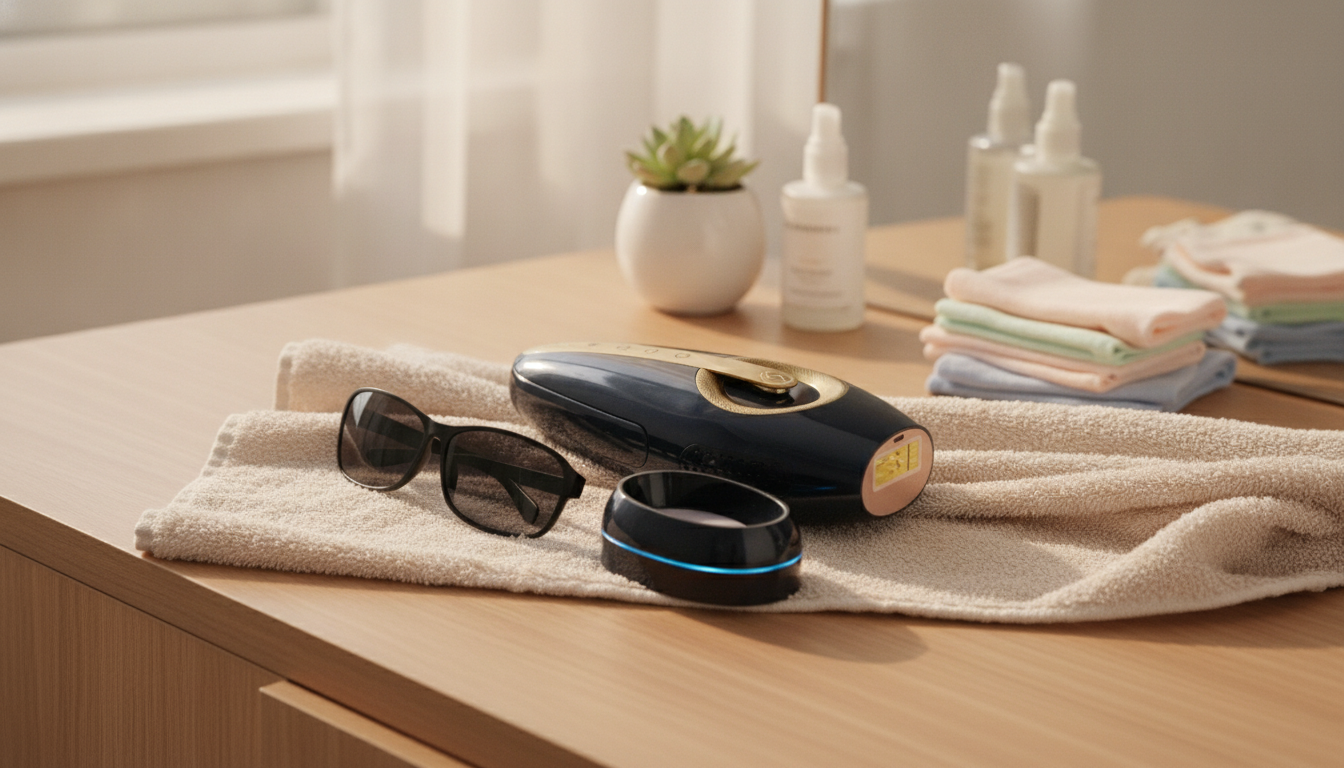
Smooth Skin at Home with a Portable IPL Hair Removal Device
Smoother skin at home can feel more manageable when a single tool is built for quick sessions across multiple areas—and easy storage between uses. A portable IPL hair removal device is designed to help reduce regrowth gradually on the face, body, and bikini line by following a consistent routine over several weeks. Below is a practical, safety-first guide to how IPL works, where it’s commonly used, what “painless” really means in day-to-day use, and how to build a treatment habit that fits real schedules.
What IPL Hair Removal Is and How It Targets Hair
IPL (intense pulsed light) uses broad-spectrum light that’s attracted to pigment (melanin) in the hair. When the light energy is absorbed, it can help reduce the hair’s ability to regrow over time. Unlike a one-and-done approach, IPL is typically a series-based method: you treat, wait, repeat, and allow multiple hair cycles to pass.
That repeated schedule matters because hairs aren’t all in the same phase at once. The most responsive hairs are usually those in the active growth phase, which is why early sessions may not look dramatic right away. Home IPL is also intended for gradual reduction and maintenance, not instant permanent removal after a single use. For additional context on hair removal expectations and outcomes, see guidance from the American Academy of Dermatology Association.
Where It Can Be Used: Face, Body, and Bikini
A multi-area IPL device can simplify routines, but each zone benefits from slightly different technique. The goal is consistent coverage without overlapping so much that you irritate the skin.
Face
Common facial areas include the upper lip and chin. Treat carefully, avoid the eye area entirely, and follow any face-specific guidance from your device. Many people prefer lower settings on the face at first, especially if skin is reactive.
Body
Legs, arms, and underarms tend to respond well when you move methodically. Using a “grid” approach helps prevent missed patches, especially on larger areas like calves or thighs where it’s easy to lose track of where you’ve pulsed.
Bikini
The bikini line is often more sensitive, so it’s smart to work in smaller sections, keep the skin taut, and start with a lower intensity before increasing. Never treat irritated skin or areas with cuts or razor burn.
| Area | Session approach | Comfort tips |
|---|---|---|
| Upper lip / chin | Small passes; short sessions | Start low; avoid treating too close to eyes |
| Underarms | Section into 2–4 zones | Shave first; hold skin taut |
| Legs / arms | Use a grid pattern to cover evenly | Move methodically to avoid double pulses |
| Bikini line | Treat edges in small sections | Use lower settings first; avoid irritated skin |
What “Portable” Really Changes
Portability isn’t just about travel. A smaller, easy-to-store device can make it simpler to stick to a routine—especially for quick “micro sessions” like underarms or upper lip where setup time can be the biggest barrier.
Portability tends to work best when paired with a repeatable pattern:
- Shave (don’t wax or pluck)
- Cleanse and fully dry the skin
- Treat in steady, evenly spaced pulses
- Moisturize gently afterward
- Protect treated areas from the sun
This kind of structure also makes it easier to track progress and reduce the chance of over-treating one spot while missing another.
Comfort and the “Painless” Experience
For general light-based device safety awareness, the U.S. Food & Drug Administration provides helpful information on laser/light products and safe use practices.
How to Use an IPL Device at Home (Routine That Builds Results)
1) Patch test first
2) Prep properly
3) Treat in a pattern
4) Aftercare counts
| Phase | Frequency | Goal |
|---|---|---|
| Start-up phase | 1–2 times per week | Build consistent reduction across growth cycles |
| Transition phase | Every 2–4 weeks | Maintain smoother regrowth pattern |
| Maintenance | As needed (often monthly) | Keep results steady in high-growth areas |
Who Should Be Cautious or Avoid At-Home IPL
Avoid treating tattoos, very dark moles, open wounds, sunburn, or already-irritated skin. If you are pregnant, have photosensitive conditions, or take photosensitizing medications, consult a clinician before use. Seek medical advice first if there’s a history of skin cancer, seizures triggered by light, or unexplained skin changes. For a broad overview of laser hair removal considerations and side effects, the Mayo Clinic is a useful reference.
What to Expect: Results, Regrowth, and Realistic Timelines
Product Overview: Portable IPL for Face, Body & Bikini
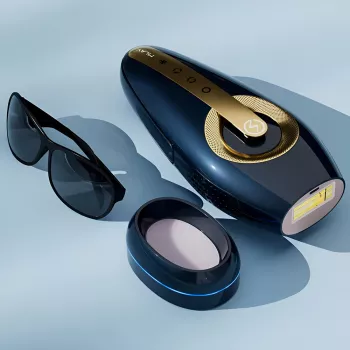
If you’re looking for a single device designed for face touch-ups, larger body zones, and bikini line sessions, consider the IPL Laser Hair Removal Device for Face, Body & Bikini – Portable & Painless. Its portable format supports quick routines and easy storage, while a low-discomfort approach pairs best with good prep (shave, dry skin) and gradual intensity increases.
Helpful add-ons for staying consistent
- AI Tools to Organize Your Life Guide – Ultimate Daily Planner Companion (Digital Download) to track sessions and aftercare notes
- “Save Like a Pro!” – The Ultimate Monthly Savings Checklist (Digital Download) to plan for refills, skincare, or long-term personal care budgeting
FAQ
How long does it take to see results with at-home IPL?
Hair reduction is gradual, and many people notice changes after several weeks of consistent sessions. Follow your device’s schedule closely, and expect periodic maintenance treatments to help keep results steady.
Can IPL be used on the face and bikini line safely?
Many devices support these areas when used with precautions: avoid the eye area, patch test first, start on a lower intensity, and don’t treat irritated or broken skin. Always follow the included safety instructions for facial and bikini use.
Should hair be shaved, waxed, or plucked before IPL?
Shaving is recommended so light can target pigment below the skin while minimizing surface heating. Avoid waxing or plucking because they remove the hair structure IPL needs to target.













Leave a comment