Silk Care 101: Wash, Dry & Store Without Damage
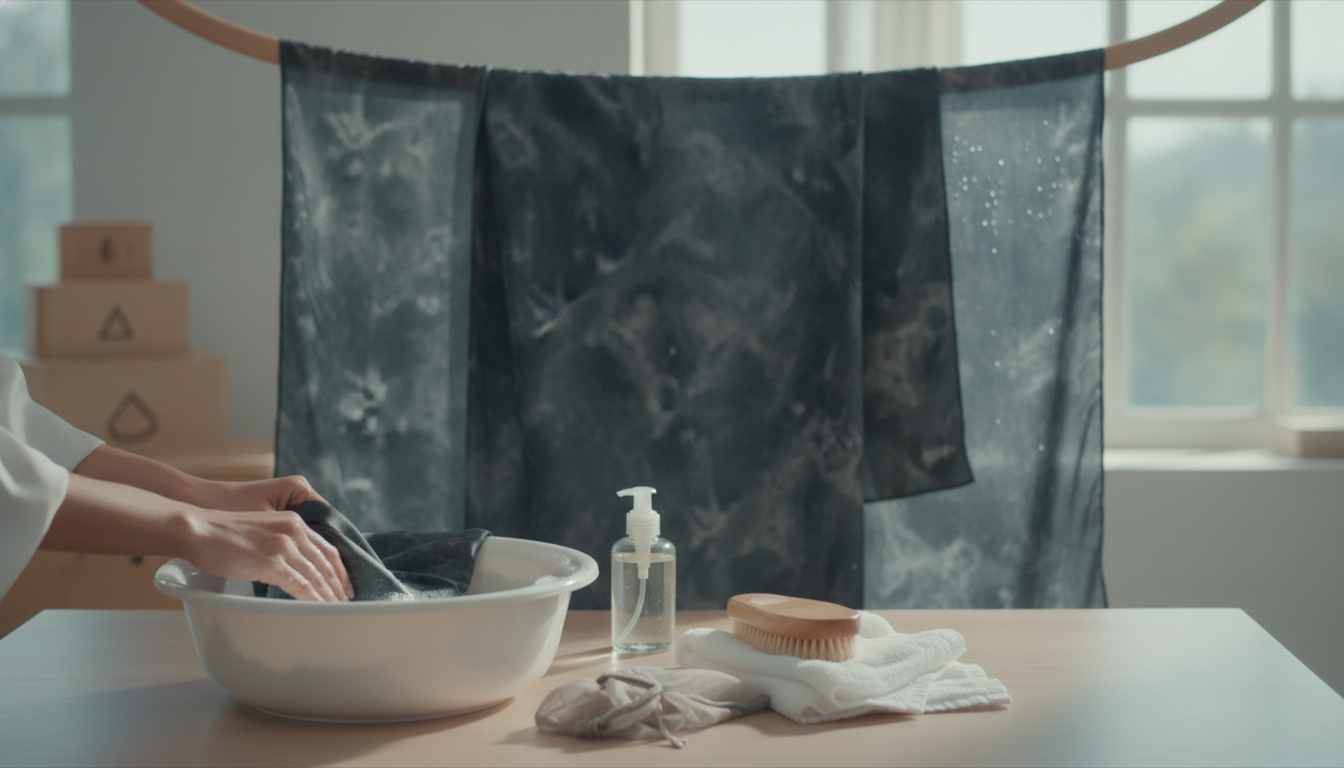
How to Care for Your Silk: Complete Washing, Drying, and Storage Guide
Silk stays glossy and strong when it’s cleaned gently, kept cool, and protected from friction, harsh detergents, and heat. Use this guide to choose the safest wash method for your specific silk item, handle stains correctly, and finish with drying, pressing, and storage steps that help prevent dullness, shrinking, and water marks. For more guidance, see How to Wash Silk: Silk Clean and Care Guide.
Know what kind of silk you have before washing
Silk isn’t one “one-size-fits-all” fabric. A quick check before washing can prevent color loss, snags, and shape distortion. For further reading, see How To Wash Silk Clothing.
- Check the care label first. Follow “dry clean only” for structured pieces, lined garments, or items with special finishes.
- Identify the silk type. Charmeuse/satin is glossy but snags easily; chiffon/georgette is sheer and delicate; dupioni has visible slubs/texture; silk jersey has stretch; blended silks may tolerate machine washing better.
- Assess color-transfer risk. Dark, bright, or heavily dyed items should be tested for crocking (rubbing color) and bleeding (running color).
- When in doubt, go “delicate by default.” Cold water, minimal agitation, a pH-neutral cleanser, and air drying away from sun is the safest baseline.
Quick silk care cheat sheet
If you want a simple “do this first” routine, use: spot test → hand wash cold → gently press out water → reshape → air dry flat or on a padded hanger → cool iron with a pressing cloth.
| Situation | Best method | Water temperature | Cleanser | Notes |
|---|---|---|---|---|
| Silk blouse (unlined) | Hand wash | Cold | pH-neutral delicates wash | Turn inside out; avoid wringing |
| Silk scarf | Hand wash | Cold | pH-neutral delicates wash | Rinse thoroughly to prevent rings |
| Silk pillowcase | Machine wash (delicate) if label allows | Cold | pH-neutral delicates wash | Mesh bag; low spin; no fabric softener |
| Silk dress (lined/structured) | Professional cleaning | — | — | Home washing can distort shape and lining |
| Fresh makeup mark | Spot treat then wash | Cold | Tiny amount of delicates wash | Blot; don’t scrub |
| Oil-based stain | Spot treat carefully | Cold | Absorb with powder first | Test first; avoid heat until stain is gone |
Before washing: 5-minute prep that prevents damage
- Spot test dyes. Apply a drop of diluted cleanser on an inside seam; wait 5–10 minutes; blot with a white cloth to check for transfer.
- Close fasteners and remove accessories. Zippers, hooks, pins, and jewelry can snag or abrade silk.
- Turn items inside out. This protects the face of the fabric (where shine and color are most noticeable).
- Use a truly clean basin. Cleaner residue can cause spotting on silk, especially in light colors.
- Choose the right cleanser. Stick with a pH-neutral delicates wash; avoid chlorine bleach, oxygen bleach powders not labeled safe for silk, and enzyme-heavy detergents that can weaken protein fibers. For general laundry product guidance, the American Cleaning Institute’s laundry basics are a helpful reference point.
How to hand wash silk without dulling it
Hand washing is the best “home method” for many unstructured silk pieces because it limits friction and prevents the fabric from getting twisted.
- Fill a basin with cold water. Add a small amount of pH-neutral delicates wash and swish until fully dissolved.
- Wash briefly and gently. Submerge the item and move it through the water for 2–5 minutes. Avoid scrubbing, twisting, and long soaking.
- Rinse thoroughly in cold water. Leftover cleanser can cause stiffness and water marks as the item dries.
- Press out water—don’t wring. Lay the silk flat on a clean towel, roll it up, and press to absorb moisture.
- Reshape while damp. Smooth seams, align edges, and restore the garment’s silhouette so it dries correctly.
When machine washing is (and isn’t) a good idea
Stain removal on silk: what to do (and what to avoid)
Drying and pressing: keep silk smooth without scorching
Storage and everyday habits that extend silk’s life
Common silk-care mistakes that ruin fabric
Printable routine and checklists for consistent results
For a ready-to-use printable you can keep on your phone or near the sink, see How to Care for Your Silk – Complete Care & Washing Guide (Digital Download).
If you like organizing home routines into simple daily systems, AI Tools to Organize Your Life Guide – Ultimate Daily Planner Companion (Digital Download) can help you set reminders for gentle wash cycles, stain-treatment timing, and seasonal wardrobe storage.
FAQ
Can silk be washed at home or should it always be dry cleaned?
Many unstructured silk items can be hand washed at home, and some can be machine washed on delicate if the label allows. Structured, lined, embellished, or “dry clean only” pieces are safer with professional cleaning to prevent distortion and damage.
What detergent is safest for silk?
A pH-neutral delicates wash is the safest option for silk. Avoid bleach, high-alkaline detergents, and enzyme-heavy formulas, and spot test first to confirm the dye is stable.
Why does silk get water spots and how can they be prevented?
Water spots often come from mineral residue, uneven drying, or leftover cleanser that dries into rings. Prevent them by rinsing thoroughly, pressing water out with a towel (not wringing), and air drying evenly away from heat and direct sun.
















Leave a comment