Small Space Smart Home Guide: Layout, Zones & Routines
Living Large in Small Spaces: A Smart Home Design Guide for When Home Space Is Limited
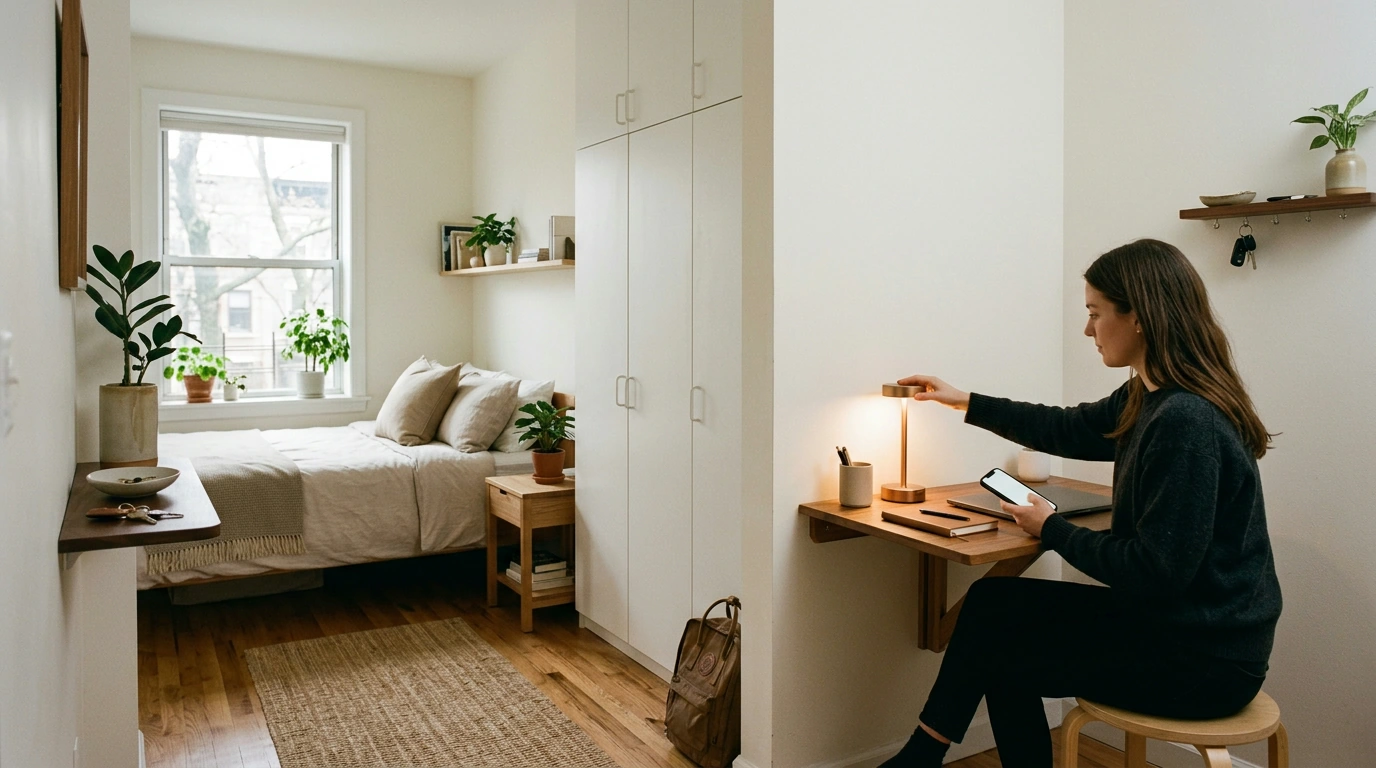
Small-space living can feel like a constant trade-off—comfort vs. clutter, style vs. storage, convenience vs. cords. Our team created “Living Large in Small Spaces” as a digital download eBook for real apartments, studios, tiny homes, and minimalist households that want a home that functions better without needing more square footage. The goal is straightforward: use layout, storage, and a few smart home choices to create breathing room, reduce friction in daily routines, and make limited space feel calm and intentional. For more guidance, see Smart Storage Interiors — A 2026 Working Reference for ….
What “Living Large in Small Spaces” helps solve
If you’ve tried a dozen organizing hacks and your home still rebounds into clutter, you’re not alone. Small homes don’t fail because you “didn’t try hard enough”—they fail when systems don’t match the floor plan and daily habits. For further reading, see Residential Interior Design A Guide To Planning Spaces.
- Decision fatigue from too many tips that don’t fit real walking paths, doors, and drawers.
- Clutter that keeps returning because the home lacks clear zones and repeatable systems.
- Small-space bottlenecks (entryway shoe piles, kitchen counters that disappear, bedroom-workspace mashups).
- Smart home confusion: too many gadgets, not enough clarity on what actually helps in tight quarters.
- A practical path to minimalist living that doesn’t feel like deprivation—just better defaults.
A simple framework: space, zones, and defaults
Small spaces improve fastest when you stop guessing and start building around “space truth.” That means measuring the places where frustration happens, then setting up behavior-based zones and simple defaults you can maintain.
- Start with space truth: measure walking paths, door swings, drawer clearance, and bed-to-wall gaps so your layout works on paper and in real life.
- Define zones by behavior, not furniture: sleep, work, cook, reset (clean-up), and recharge (relax) can exist even in one room.
- Choose one home base per recurring item group: keys, mail, charging, and cleaning supplies each get a single “address.”
- Build defaults: one-touch lighting scenes, scheduled routines, and a consistent landing pad at the door reduce daily micro-decisions.
- Keep the goal visible: a small home works best when a daily reset stays under 10 minutes.
Smart home design that actually makes a small home feel bigger
In limited space, the best tech is the kind that disappears into your routines. A few reliable automations can cut countertop clutter, cable sprawl, and the “where did I put it?” cycle—without turning your home into a gadget museum.
- Prioritize invisible wins: anything that reduces cords, repeated steps, or piles on surfaces pays off quickly.
- Upgrade lighting first: layered lighting (task + ambient) often makes a room feel larger than a single overhead light. For energy-saving guidance, see the U.S. Department of Energy’s lighting recommendations.
- Use routines for hygiene: night shutdown, morning wake, and “away mode” reduce mental load and help your space stay reset.
- Pick compact, multi-use solutions: smart plugs for lamps/fans, voice control for hands-full moments, and simple household “charging rules.”
- Avoid device overload: a few automations you trust beat a drawer full of unused gear.
Also keep basics safe and tidy. If you’re consolidating power and cords, follow guidance on electrical safety from the National Fire Protection Association (NFPA).
Space-Saving Smart Upgrades That Pay Off Fast
| Area | Smart choice | Space benefit | Best-use tip |
|---|---|---|---|
| Entry | Smart bulb + routine | No extra hardware on surfaces | Set an “arrive home” scene to turn on one welcoming light |
| Living/Sleep | Smart plug for lamp/fan | Fewer switches and extension cords | Group devices into one routine for bedtime shutdown |
| Kitchen | Voice timers + reminders | Fewer sticky notes and visual clutter | Create recurring reminders for trash/recycling days |
| Workspace | Smart power strip/plugs | Cable reduction and quicker resets | Use a single command to power down the whole desk |
| Whole home | Automated “reset” routine | Less mess accumulation over time | Trigger a nightly 5–10 minute reset with one cue |
Room-by-room moves that free space without renovations
Our team’s rule: don’t start by buying containers. Start by protecting walkways, assigning homes, and keeping at least one surface open in each main zone.
Minimalist living that feels livable (not empty)
How to use the eBook so improvements stick
Recommended downloads from our store
- Living Large in Small Spaces | Smart Home Design Guide for Limited Space (Digital Download eBook)
- AI Tools to Organize Your Life Guide – Ultimate Daily Planner Companion (Digital Download)
- “Save Like a Pro!” – The Ultimate Monthly Savings Checklist (Digital Download)
FAQ
Is this eBook useful if the home is small but shared with a partner or roommate?
Yes—shared spaces improve when you define zones by behavior and agree on simple shared rules for landing zones, charging spots, and daily resets. A few automations (like a nightly shutdown routine) reduce friction without needing more storage or more square footage.
Do smart home upgrades require expensive devices to make a difference in a small apartment?
No—small apartments benefit most from low-cost basics like better lighting, smart plugs, and a couple of routines that reduce steps and surface clutter. The biggest improvement usually comes from choosing fewer devices you’ll actually use, not adding more gadgets.
How quickly can a small space feel better using the guide?
You can feel immediate relief the same day by clearing walkways and setting a simple landing zone. Bigger, longer-lasting gains typically show up over 1–2 weeks as your zones, storage limits, and routines become the default.












Leave a comment