Weekend Family Fitness Adventures That Feel Like Play
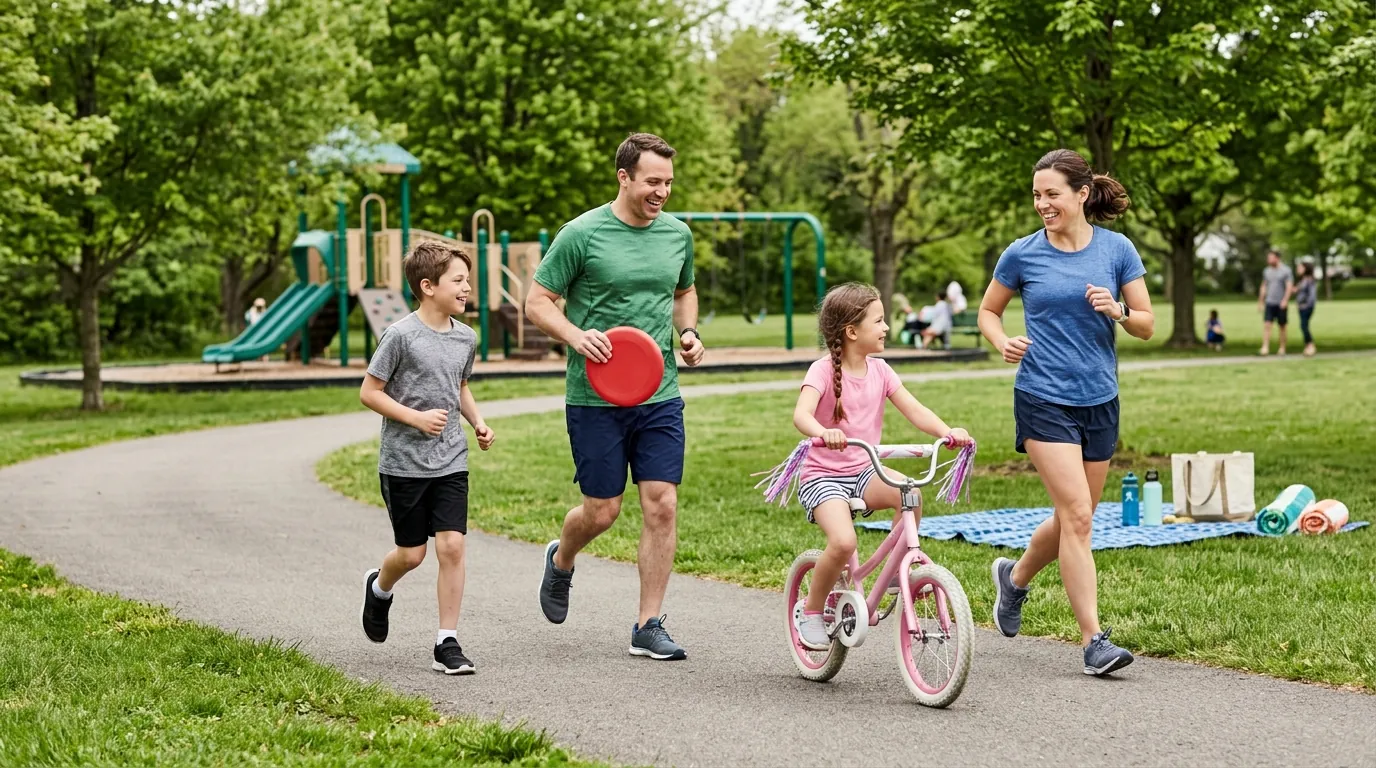
Weekend Warriors: Fun Family Fitness Adventures for Active Families
Weekend time can become the easiest place to build healthy habits—without turning it into another chore. With a little planning, simple gear, and age-flexible ideas, families can turn parks, neighborhoods, and living rooms into energizing mini-adventures that feel like play. The best part: when movement comes with a “mission,” kids focus less on effort and more on the fun of doing something together.
Health experts consistently emphasize that regular physical activity supports strong bodies, better sleep, and improved mood. If you want a quick benchmark for what “enough” looks like across ages, start with the CDC physical activity guidance and keep the weekend tone light: start easy, end happy.
What Makes a Great Weekend Fitness Adventure
- Keep it bite-sized: Aim for 30–90 minutes so everyone finishes feeling successful, not drained.
- Choose “stackable” activities: Have an easy base plan plus optional challenges for older kids or teens.
- Let kids co-lead: Rotate who picks the route, game, or music to increase buy-in.
- Build in a natural reward: Picnic, hot chocolate, playground time, or a family photo at the “finish line.”
- Prioritize safety and comfort: Weather check, visible clothing, water, and a simple first-aid kit.
If your family likes having a ready-to-go set of ideas (so Saturday doesn’t turn into a debate), the digital guide Weekend Warriors: Fun Family Fitness Adventures is a simple way to keep options on hand and rotate themes week to week.
Quick-Start Weekend Plan (Choose 1 from Each Column)
Mix and match to fit the season, attention spans, and energy levels. For younger kids, use a timer (“Let’s do 5 minutes!”). For older kids and adults, distance goals can feel more rewarding (“Let’s reach that next stop sign.”). End with a 3–5 minute cool-down walk and a gentle stretch for calves, hamstrings, and shoulders.
Build-a-Weekend Adventure Menu
| Warm-Up (5–10 min) | Main Adventure (20–60 min) | Play Finish (10–20 min) |
|---|---|---|
| Neighborhood “animal walk” (bear crawl, crab walk, frog hops) | Park circuit: walk/jog loop + playground sets | Scavenger hunt: 10 items (leaf, bird, street sign, etc.) |
| Dance party to 3 songs | Family hike on an easy trail | Relay races with cones, chalk, or water bottles |
| Jump-rope practice or hopscotch | Bike ride with 2–3 stop points | Stretch-and-story: each person shares a favorite moment |
| Stairs or curb step-ups (gentle pace) | At-home obstacle course (pillows, tape lines, safe furniture spacing) | Family “skills challenge” (balance, throwing, kicking) |
Eight Easy Weekend Ideas That Feel Like Play
- Trail Bingo: Print or draw a simple bingo card (pinecone, squirrel, bridge, puddle) and mark items during a walk.
- Mission Walk: Add a “secret agent” task—spot 5 red things, find 3 shapes, count 10 steps between cracks.
- Playground Triathlon: Rotate 5 minutes each—swings (core), climbing (upper body), laps (cardio).
- Family Fitness Photo Quest: Take pictures of “team poses” at landmarks; turn it into a mini-route.
- Chalk Fitness Path: Create stations—5 jumps, 10 toe taps, 20-second plank, repeat for one block.
- Bike-and-Picnic Loop: Choose a route that ends at a park; pack snacks and a frisbee.
- Rainy-Day Living Room Games: Balloon volleyball, pillow “islands,” and dance-freeze intervals.
- Sunset Walk & Talk: A low-pressure option that still adds steps and connection.
Need more family-friendly ideas for different ages? The American Academy of Pediatrics Healthy Active Living resources can help you keep expectations realistic while still making weekends active.
Adjust for Ages, Energy Levels, and Attention Spans
- Toddlers (2–4): Keep it close to home, use short bursts (2–5 minutes), and expect frequent breaks.
- Kids (5–10): Add story-based challenges (pirate treasure hunt, superhero training), simple goals, and variety.
- Tweens/teens: Include choice, music, and measurable challenges (time, distance, reps) plus social elements (invite a friend).
- Adults: Focus on consistency over intensity; use the “talk test” so the pace stays comfortable for the whole group.
- Multigenerational: Choose flat routes, add more stops, and assign roles (navigator, photographer, snack captain).
A reliable way to make one plan work for everyone is to build “levels.” Example: the whole family walks the same loop, but teens do 30-second jog intervals between mailboxes, while younger kids do a “tiptoe mission” to the next driveway.
Simple Gear That Makes Weekends Smoother
If you want a simple, durable way to stash water bottles, wipes, and an extra layer, a compact day bag like the Calvin Klein Black Print Backpack with Zip can help keep everyone moving without juggling loose items.
Make It Stick: A Low-Stress Weekend Rhythm
For families who like a little structure without feeling scheduled, pairing a weekend rhythm with light planning tools can reduce last-minute friction. The AI Tools to Organize Your Life Guide can help you set recurring reminders, create simple checklists (snacks, water, layers), and keep your go-to adventure ideas in one place.
FAQ
How long should a family fitness adventure be on the weekend?
A flexible 30–90 minutes works well for most families, with shorter bursts (10–20 minutes) often being the sweet spot for young kids. Try to end while everyone still has a little energy left, and keep a 15-minute indoor backup option for hectic days.
What are good weekend fitness ideas when the weather is bad?
Indoor obstacle courses, dance-freeze intervals, balloon volleyball, hallway relays, and stair or step-up circuits are all easy wins. Clear the space, use grippy socks or sneakers, and keep jumps away from furniture corners for safer play.
How can one activity work for toddlers and teens at the same time?
Use stackable challenges: everyone follows the same route or station plan, but older kids add bonus rounds, timed efforts, or harder variations. Rotating roles (leader, navigator, timekeeper, photographer) keeps teens engaged while toddlers stay included.












Leave a comment