When to Introduce Utensils: A Toddler Spoon & Fork Guide
When to Introduce Utensils (And What “Ready” Looks Like)
Utensils are a learned motor skill, and most toddlers build it the same way they learn everything else: short, repeatable practice. Many children begin exploring a spoon around 12 months, with clearer progress between 18–24 months—though it can be earlier or later depending on interest and coordination. If finger-feeding is still the fastest way for your child to eat, that’s not a setback. Offer utensils as a side tool, not a requirement, so meals stay positive and filling. For more guidance, see Parents’ Guide to Encouraging Using Utensils – Pathways.org.
Early readiness signs include bringing food to the mouth reliably, watching and copying adult motions, improved sitting balance, and emerging pincer grasp control. “Soft wins” matter: start sooner with thicker foods that cling to a spoon, and wait on foods that slide, roll, or scatter until coordination improves. For further reading, see Fingers, Spoons, Forks, and Cups | Infant and Toddler Nutrition | CDC.
Utensil Progress by Age Range (Typical Patterns, Not Rules)
| Age range | What to offer | Skills to watch for | Parent-friendly setup |
|---|---|---|---|
| 9–12 months | Pre-loaded spoon; short toddler fork (optional) | Reaching, mouthing, bringing spoon to mouth | Adult loads spoon; small portions; high chair with foot support |
| 12–18 months | Toddler spoon + fork | Scooping attempts, poking soft foods, switching hands | Thicker foods (yogurt, oatmeal); suction bowl; short-handled utensils |
| 18–24 months | Spoon + fork; open cup practice continues | More accurate scooping, fewer drops, beginning wrist rotation | Serve bite-size pieces; pause to reset; predictable routines |
| 2–3 years | Child-sized utensils; introduce dull butter spreader with supervision | Better aim, cutting soft foods with help, longer attention span | Family-style modeling; small plate portions; “clean-up is part of meal” habit |
Choosing the Right Utensils for Small Hands
The best toddler utensils “forgive” wobbly wrists. Look for short, thicker handles that support a stable grasp—adult-length handles tend to tip and dump. Rounded edges and a shallow spoon bowl reduce the odds of losing the bite before it reaches the mouth. For forks, choose blunt, rounded tines that can spear soft foods (banana, steamed vegetables, pasta) without being sharp.
Non-slip grips can help, but extremely rubbery handles sometimes make it harder for little fingers to adjust mid-bite. Aim for secure but not sticky. Dishwasher-safe materials also make a big difference because frequent, low-stress repetition beats occasional “perfect” practice.
A Simple Step-by-Step Method (Less Mess, More Confidence)
Step 1: Start with a pre-loaded spoon. You scoop; your toddler brings it to their mouth. This builds the most motivating part first: success.
Step 2: Add assisted scooping. Do hand-over-hand for 1–2 bites, then release so your toddler finishes the motion. This is where coordination grows.
Step 3: Keep tools simple. Offer two utensils at once only if interest stays high. Otherwise, stick with one tool per meal to avoid overwhelm.
Step 4: Add a fork after spoon wins. Begin with sticky or soft foods. Encourage slow, steady pressure to spear—rushing usually leads to slipping and frustration.
Step 5: Use short practice windows. Five to ten minutes is plenty. End on a win, then allow finger-feeding to finish the meal if needed so hunger doesn’t become the enemy of learning.
When frustration shows up, use a quick “reset routine”: pause, wipe hands, straighten the bowl, offer one easy bite, and continue. Toddlers often just need the environment to feel doable again.
Foods That Make Utensil Practice Easier
Some foods practically teach the skill for you. For spoons, choose thick textures that cling: yogurt, mashed sweet potato, oatmeal, hummus, ricotta, and thicker soups. For forks, choose foods that hold shape but stay soft: banana slices, avocado cubes, steamed carrot coins, pasta spirals, and soft meatballs cut small.
Avoid early “slide-and-scatter” foods like whole peas, slippery noodles, grapes (always cut appropriately), and dry rice until coordination improves. Keep portions small and refill often—an overfilled bowl invites dumping and grabbing. A helpful rhythm is one “practice food” alongside familiar favorites so learning doesn’t reduce overall intake.
Mealtime Setup That Prevents Most Messes
Posture drives control. Stable seating—hips back and feet supported—makes it easier for hands to do fine motor work. A tray or table at comfortable height reduces the urge to lean and swipe. Choose a bowl that doesn’t travel (suction base or non-slip mat) and a plate with a lip that “catches” food for easier scooping.
Common Challenges and What to Do
Gagging or sensory sensitivity: Keep textures predictable and speak with a pediatrician or feeding specialist if concerns persist. Developmental expectations can also be reviewed using trusted references like the CDC developmental milestones and feeding guidance from the American Academy of Pediatrics.
Supporting Autistic Toddlers and Sensory Differences
A Calm Transition Plan for the First 2 Weeks
A Handy Digital Guide for Busy Parents
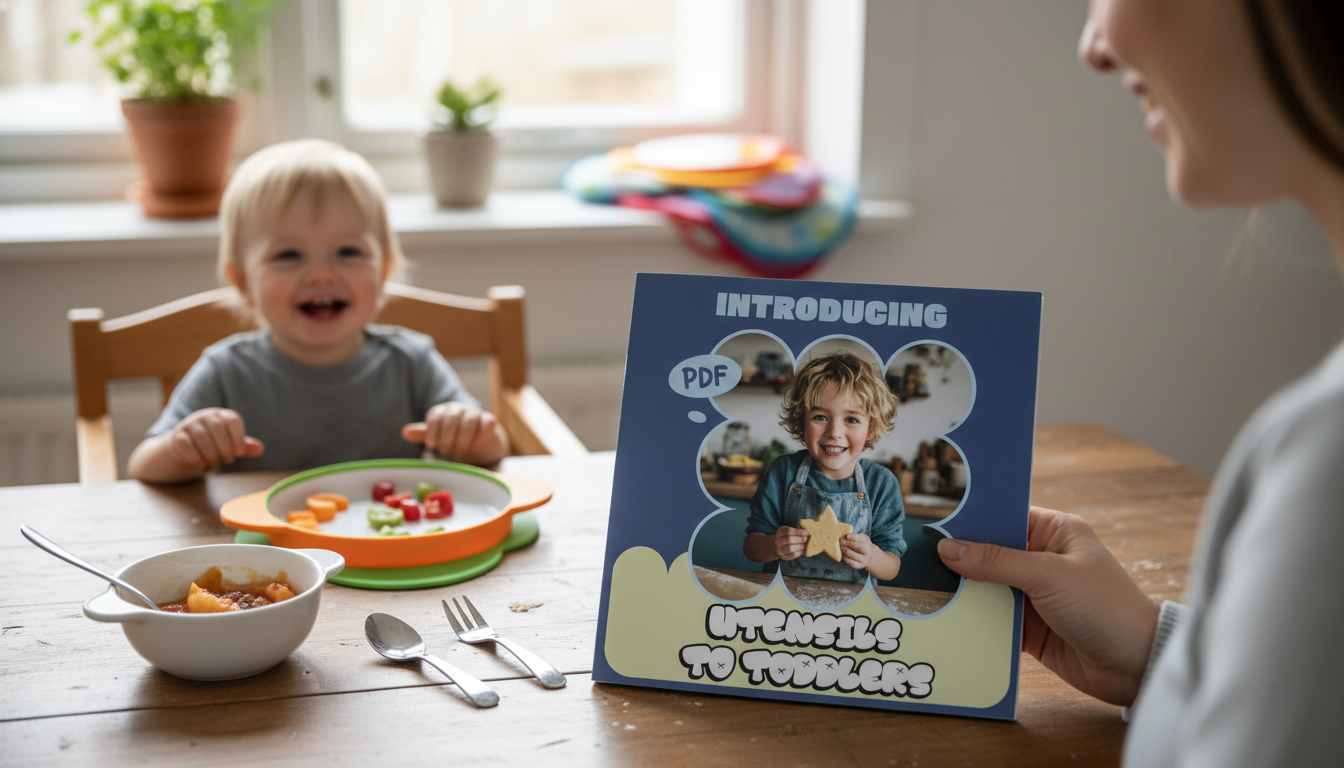
- Introducing Utensils to Toddlers – A Parent-Friendly Guide on when to introduce utensils to toddlers for Confident, Mess-Free Mealtimes ($4.99)
- Confidence, Not Ego – Checklist to Understand Confidence vs Ego Explained Simply ($2.99)
FAQ
Do autistic toddlers use utensils?
Yes, many do, but the timeline and supports can look different. Consistent routines, gradual exposure, and choosing tools that match sensory preferences can make utensil practice more successful. If feeding remains highly stressful, an OT or feeding therapist can help personalize a plan.
Should toddlers use stainless steel utensils?
Often yes, as long as they’re child-sized with rounded edges and used with supervision. Stainless steel can provide clear, firm feedback and lasts a long time, but some toddlers dislike the cold feel or the sound on plates. The best choice is the one your child tolerates comfortably and uses safely.
















Leave a comment