Why Dogs Eat Grass: Safety, Red Flags & Checklist
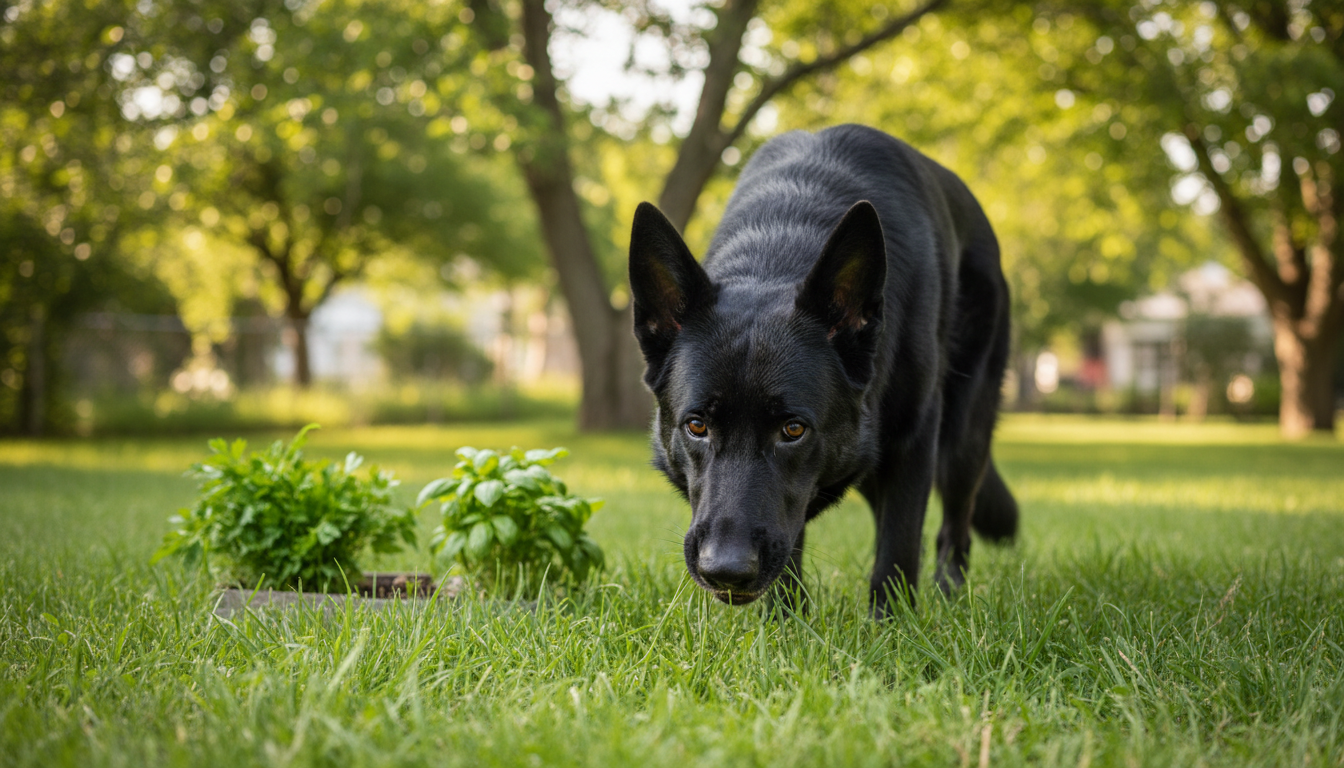
The Grass-Munching Mystery: A Calm, Practical Checklist for Curious Dog Parents
Some dogs nibble grass occasionally, while others seek it out on every walk. Grass-eating can be harmless curiosity, a learned habit, or a clue that something needs attention. Use the guide below to sort “normal dog behavior” from “time to call the vet,” and to track patterns that make the next decision much clearer.
What grass-eating can mean (and what it usually doesn’t)
Grass-eating is surprisingly common, and in many households it’s just another quirky dog habit. The key is looking at the whole picture: frequency, intensity, and what happens afterward.
- Normal for many dogs: brief grazing with no vomiting, no diarrhea, and normal energy afterward.
- Foraging and taste: dogs may enjoy the texture, moisture, or scent (especially after rain or when other dogs have passed through).
- Boredom or stress: repetitive grazing can become a self-soothing routine, especially in under-enriched dogs.
- Upset stomach signals: some dogs eat grass before vomiting, but many vomit after grass simply because it irritates the stomach lining.
- Dietary gaps are possible: but they’re not the most common explanation; changes in appetite, weight, or coat quality are often more meaningful clues than grass alone.
Quick clues: what to watch and what to do next
| What you notice | What it might suggest | What to try now | When to call the vet |
|---|---|---|---|
| Occasional nibbling, no vomiting, normal poop | Normal foraging behavior | Redirect, keep walks moving, reward checking in | If it suddenly becomes frequent or compulsive |
| Grass-eating followed by vomiting once, then back to normal | Mild stomach irritation | Offer water, bland meal if advised by vet, monitor 24 hours | If vomiting repeats, blood appears, or lethargy follows |
| Repeated vomiting after grass, drooling, lip-licking | Nausea or GI upset | Stop access to grass, note triggers, check diet/treat changes | Same day if persistent or worsening |
| Grazing intensifies at certain spots (parks, lawns) | Attraction to smells; possible pesticide/fertilizer exposure | Avoid treated lawns, choose safer routes, rinse paws | Immediately if signs of poisoning occur |
| Compulsive grazing + pacing, restlessness, separation behaviors | Stress, anxiety, under-enrichment | Add sniff walks, puzzle feeders, training games | If anxiety disrupts sleep, eating, or safety |
| Diarrhea, straining, or worms seen | Parasites or GI illness | Bring stool sample, prevent grass access | Promptly; parasites and dehydration can escalate |
The safety check: hazards hiding in plain sight
In many cases, the bigger risk isn’t the grass—it’s what’s on it, mixed into it, or hiding near it.
- Lawn chemicals: fertilizers, weed killers, slug/snail bait, and treated grass can be more dangerous than the grass itself. If you suspect exposure, reference guidance from ASPCA Animal Poison Control and contact your veterinarian.
- Toxic plants mixed into lawns: watch for mushrooms, foxtails, and unfamiliar weeds—especially in damp, shaded areas.
- Foxtails/awns: these can lodge in the mouth, nose, ears, or paws. Red flags include sneezing fits, paw licking, head shaking, squinting, or sudden discomfort.
- Parasites and bacteria: shared dog areas can carry intestinal parasites; routine prevention and fecal testing matter.
- Choking or obstruction risk: big mouthfuls, sticks, or fibrous clumps can cause gagging—or, rarely, an intestinal blockage.
When grass-eating is a red flag
Grass-eating becomes more concerning when it’s paired with symptoms that suggest toxin exposure, significant stomach upset, or pain.
- Urgent signs: repeated vomiting, blood in vomit or stool, severe lethargy, bloated abdomen, unproductive retching, collapse, or suspected toxin exposure.
- Within 24–48 hours: vomiting more than once, diarrhea lasting more than a day, refusal to eat, dehydration signs (dry gums, sunken eyes), or persistent drooling.
- Pattern changes: sudden increase in grass-eating frequency, new night-time nausea, or notable weight loss.
- Puppies, seniors, and dogs with chronic disease: a lower threshold to call the veterinarian is safer.
If vomiting is part of the picture, a clear overview of common causes and what vets look for can be found in the Merck Veterinary Manual.
A printable checklist that makes patterns obvious
When grass-eating feels random, tracking turns guesswork into a usable story. A quick log can help pinpoint whether this is a location issue, a nausea pattern (like “before breakfast”), a stress trigger, or a diet/treat connection.
For an easy, print-and-go option, use the Grass-Munching Mystery printable checklist to capture the details that matter most.
How to reduce grass-eating without turning walks into a battle
For a deeper explanation of common reasons dogs graze (and when it’s not a big deal), see the American Kennel Club’s overview.
Using the Grass-Munching Mystery checklist as a daily mini-assessment
If you like keeping routines organized across the whole household (feeding times, training sessions, symptom notes, reminders), a simple digital system can make consistency easier. The AI Tools to Organize Your Life Guide – Ultimate Daily Planner Companion can help you set up a repeatable way to track habits and observations without relying on memory.
FAQ
Is it normal for dogs to eat grass?
Yes, many dogs graze occasionally. It’s more concerning when it becomes frequent or compulsive, or when it happens alongside vomiting, diarrhea, lethargy, or appetite changes.
Why does my dog eat grass and then throw up?
Grass can irritate the stomach and trigger vomiting, but nausea can also lead dogs to seek grass. If vomiting repeats, includes blood, or your dog seems unwell, contact a veterinarian.
How can grass-eating be stopped safely?
Use training cues like “leave it,” increase enrichment, avoid treated lawns, and monitor diet and stress triggers. For persistent or sudden changes, rule out medical causes with a vet.
















Leave a comment