How Infants Bond With Caregivers: Attachment Explained
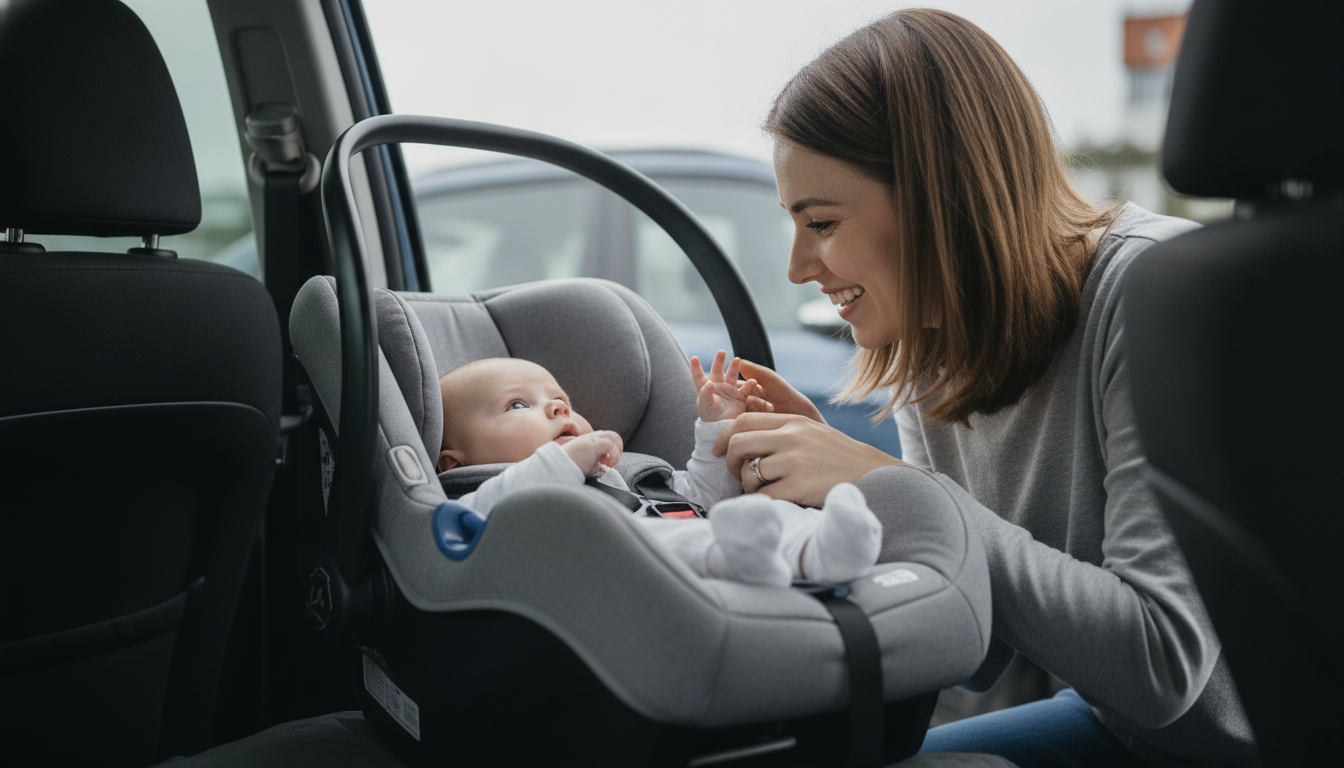
How do infants form attachment to their caregivers?
Infants form attachment through repeated, everyday experiences of safety and connection with the adults who care for them most. Attachment isn’t a single milestone—it’s a bond that strengthens when a caregiver consistently meets a baby’s needs, especially during stress, hunger, fatigue, or discomfort.
Consistent comfort teaches “I’m safe”
In the earliest months, babies rely on caregivers to regulate their body and emotions. When a caregiver responds to cries with feeding, warmth, soothing, or a diaper change, the baby starts to expect relief and protection. Over time, this predictability becomes the foundation of secure attachment.
Back-and-forth interaction builds trust
Attachment grows through “serve and return” moments: a baby coos or looks, and the caregiver answers with a voice, facial expression, or gentle touch. These simple exchanges—talking, smiling, mimicking sounds, and pausing for the baby to respond—help an infant feel seen and understood, even before they understand words.
Daily routines create a stable world
Routines like bedtime, feeding, bathing, and getting dressed give babies a sense of order. When the same caregiver (or a small set of caregivers) provides care in a calm, predictable way, infants learn what to expect and who to rely on, which supports secure attachment.
Separation and reunion shape the bond
As babies grow, they may show stranger anxiety or protest when a caregiver leaves—this is often a sign the attachment is forming. What matters most is the reunion: a caregiver who returns, reassures, and reconnects helps the baby learn that separations are manageable and relationships are reliable.
For a deeper age-by-age look at emotional bonding from infancy through the teen years, visit this complete guide on emotional bonding by age.
FAQ
What are signs of secure attachment in a baby?
Common signs include seeking comfort from a familiar caregiver, calming more easily after being soothed, and showing interest in exploring while checking back in for reassurance. Securely attached babies may still cry, but they tend to recover with supportive care.
















Leave a comment