Heavy-Duty Ratchet Strap Weight Limits: WLL vs Break
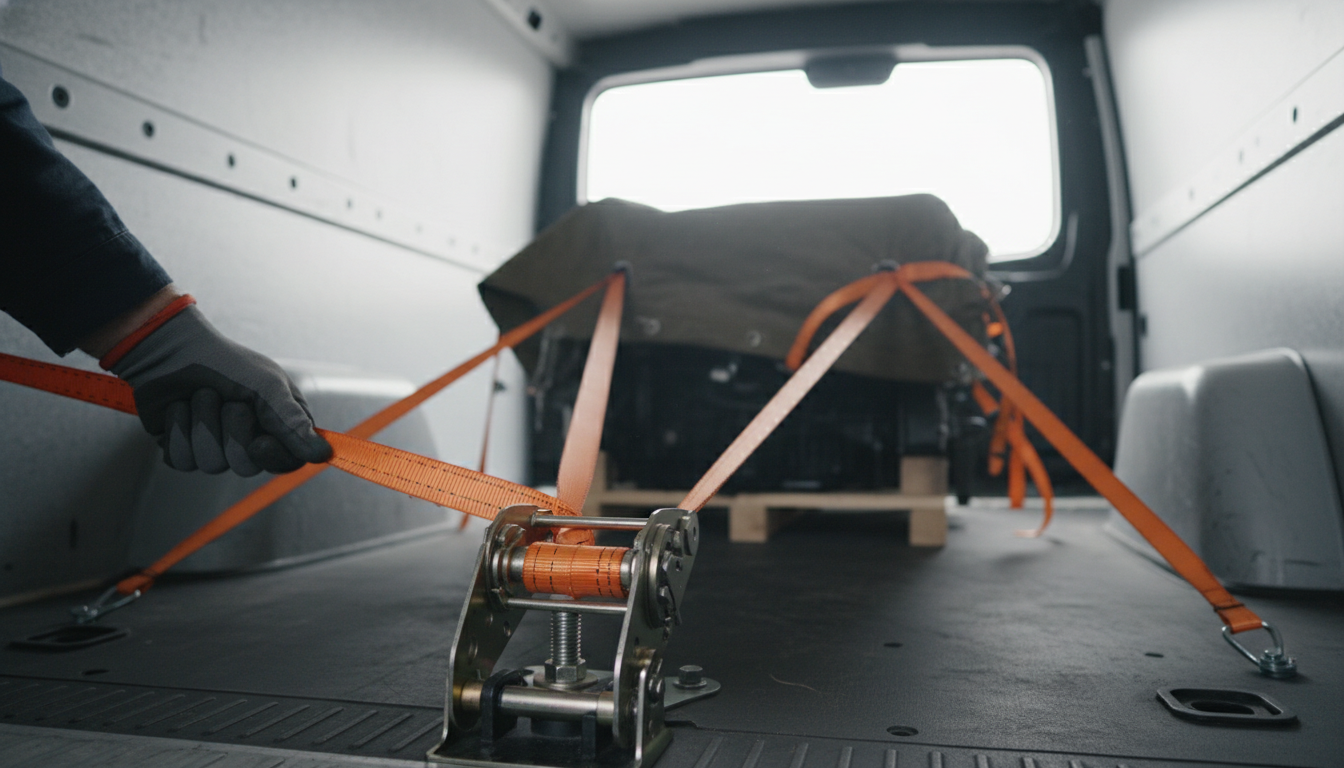
How much weight can a heavy-duty ratchet strap hold?
A heavy-duty ratchet strap can hold anywhere from a few hundred pounds to several thousand pounds, but the real answer depends on the strap’s ratings—not the word “heavy-duty” on the label. The two numbers that matter are Working Load Limit (WLL) and break strength. WLL is the maximum weight the strap is intended to secure during normal use, while break strength is the point where the webbing or hardware may fail under ideal lab conditions.
What’s a typical capacity range?
Common 1-inch ratchet straps are often rated around 500–1,500 lb WLL, while many 2-inch heavy-duty straps frequently land around 3,000–3,333 lb WLL, with break strengths commonly around 9,000–10,000 lb. Some specialty or transport-grade straps can be higher. The only reliable number for your strap is what’s printed on the tag or stamped on the hardware.
Why WLL matters more than “max load” claims
If you see “10,000 lb” advertised, that’s often the break strength, not the safe load for tying down cargo. For securement, use the WLL and treat it as the controlling limit. This helps account for real-world factors like shock loads from bumps, imperfect angles, wear on the webbing, and less-than-ideal hook or anchor conditions.
How many straps do you need for a load?
As a general rule, multiple straps share the job, but not always evenly. Strap angle, anchor placement, and how the load shifts can change how much force each strap sees. For safety, avoid “doing the math” from break strength; instead, select straps with an appropriate WLL and add redundancy for heavier or awkward cargo.
Quick safety checks before you trust the rating
Even a high-rated strap shouldn’t be used if it’s frayed, cut, melted, knotted, or has bent/rusted hardware. Also confirm the rating is legible on the tag; if you can’t verify the WLL, it’s safer to replace the strap.
For a deeper breakdown of strap ratings, real-world capacity factors, and how to choose the right setup, read the full guide here: https://supremechoiceden.shop/blog/how-much-weight-can-a-heavy-duty-ratchet-strap-hold/.
FAQ
What is the difference between working load limit and break strength?
Working Load Limit (WLL) is the safe maximum load for everyday tie-down use, while break strength is the approximate force where the strap may fail in testing. Always choose and use straps based on WLL, not break strength.















Leave a comment