20-Inch Bike Height Range: How Tall Is Too Tall?
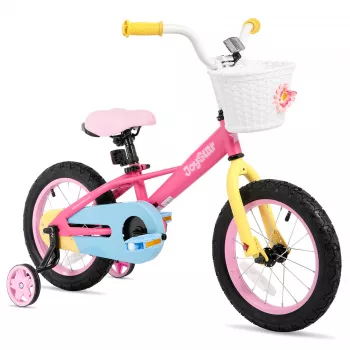
How tall of a person can ride a 20-inch bike?
A 20-inch bike is typically built for riders around 3’8″ to 4’8″ tall (about 112–142 cm). That range covers many kids ages roughly 6–10, but height alone isn’t the full story—inseam length and the bike’s frame geometry matter just as much for safe, comfortable riding.
What matters most: inseam and standover height
The quickest fit check is standover height: have the rider stand over the top tube with both feet flat on the ground. For a kids’ 20-inch bike, aim for about 1–2 inches of clearance between the top tube and the rider’s body. If there’s no clearance, the bike is likely too big; if there’s a lot of clearance and the seat has to be raised near its limit, the rider may outgrow it quickly.
Next, check whether the rider can touch the ground while seated. Many kids’ bikes are set up so a confident rider can sit and place the balls of their feet down; newer riders often do better when they can put more of their foot down for stability.
Signs a 20-inch bike fits (or doesn’t)
A good fit means the rider can start, stop, and turn without struggling, reach the brake levers easily, and pedal without their knees bumping the handlebar. If the seat must be lowered all the way and the rider still can’t comfortably reach the ground, size down. If the seat must be raised to the maximum line and the rider still feels cramped, it’s time to consider a larger wheel size.
Get a more precise kids’ sizing reference
For a broader sizing breakdown and safety pointers (including training wheels and fit checks), visit the main guide here: kids’ bike fit and safety guide.
FAQ
When should a kid move from a 20-inch to a 24-inch bike?
Move up when the saddle is near its maximum height, the rider’s knees feel cramped while pedaling, or the rider is taller than the recommended range and has little standover clearance. A 24-inch bike often fits riders roughly 4’5″–5’1″, depending on inseam and frame design.















Leave a comment