Is a 20-Inch Bike Too Small? Fit Checks & Sizing Tips
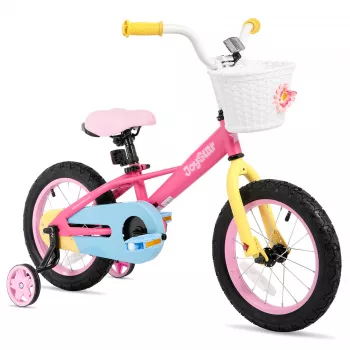
Is a 20 inch bike too small?
A 20-inch bike isn’t automatically “too small”—it’s the right size for many kids and some smaller riders. The key is fit, not age. A 20-inch wheel size typically works best when the rider can stand over the frame with a little clearance, sit on the saddle with a slight bend in the knee at the bottom of the pedal stroke, and comfortably reach the handlebars without stretching.
If the bike feels cramped (knees hitting the bars, hunched shoulders, or the seat post already near its maximum height), it’s likely too small. On the other hand, if the rider can’t touch the ground with at least the balls of their feet while seated, struggles to start and stop, or feels unstable, the bike may be too big—even if the wheel size sounds “right.”
Another clue is control. A properly sized 20-inch bike should be easy to steer, brake, and balance. If the rider looks wobbly, can’t confidently use the brakes, or has trouble turning, sizing up too soon can slow down progress and reduce safety. For more guidance on fit and safety (including training wheels and measurements), visit this kids’ bike fit and safety guide.
Quick sizing checkpoints
- Stand-over room: A small gap between the top tube and the rider helps with safe stops.
- Seat height range: The seat should adjust low enough for confident starts and high enough for efficient pedaling.
- Comfortable reach: Elbows slightly bent, shoulders relaxed, and no strain to grip the bars.
FAQ
How tall should someone be for a 20 inch bike?
Many riders fit a 20-inch bike around the upper elementary range, but height alone isn’t enough. Check stand-over clearance and whether the seat can be adjusted for a slight knee bend while pedaling.
Can a grown man ride a 20 inch bike?
Yes, but it depends on body size and the bike’s frame geometry. Many adults will find it cramped for regular riding, though it can work for very short adults or casual, short-distance use.
Should I get a 20 or 24 inch bike?
Choose 20-inch if the rider needs easier handling and can’t comfortably control a taller bike yet. Move to 24-inch when the rider has outgrown the 20-inch seat height and reach but can still start, stop, and brake confidently.















Leave a comment