Faux Leather Wallets: Worth It for Daily Use?
Is faux leather good for wallet?
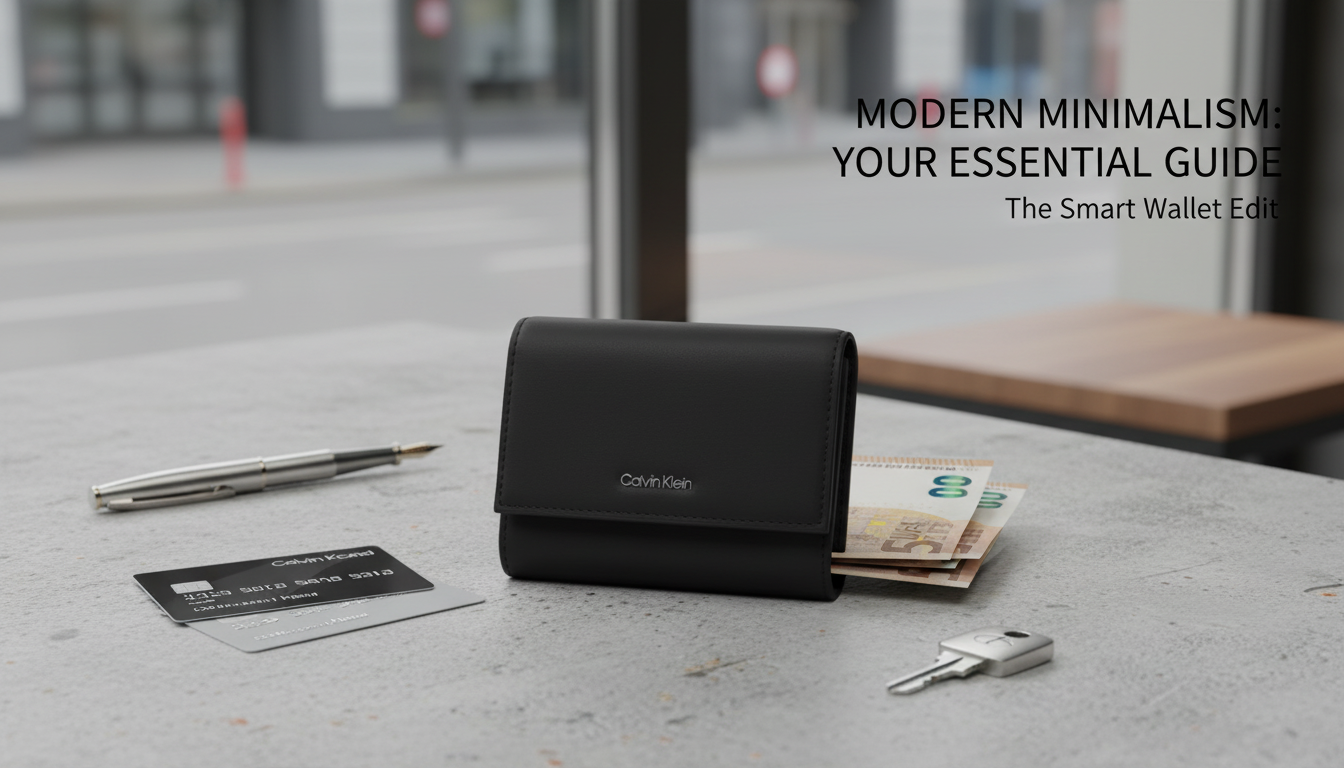
Faux leather can be a good wallet material when you want a sleek look, easy care, and a lower-cost alternative to genuine leather. Many faux leather wallets hold up well for everyday use, especially if the surface coating is thick and the stitching is solid. It’s also a popular pick for shoppers who prefer an animal-free material.
What makes a faux leather wallet a smart choice?
One of the biggest advantages is practicality. Faux leather is typically more water-resistant than untreated leather, so minor spills or rainy-day splashes are less likely to leave stains. It also tends to wipe clean easily, which matters for a wallet that’s handled constantly and placed on counters, in bags, and in pockets.
Style is another win. Faux leather often comes in consistent colors and finishes, so black wallets, in particular, can look crisp and uniform without the natural variations you see in leather hides. If you like a modern, polished appearance, faux leather delivers that look with minimal upkeep.
How long does faux leather last as a wallet?
Durability depends on the quality of the material and how you carry it. Faux leather is usually made with a plastic-based coating over a fabric backing. Over time, heavy bending, friction in tight pockets, and heat can cause cracking or peeling—most often along fold lines and corners.
To get better longevity, look for tight stitching, reinforced edges, and a structured build that doesn’t rely on a single sharp fold. Rotating wallets (or not overstuffing card slots) can also reduce stress and help the material keep its shape longer.
What are the downsides compared with genuine leather?
Genuine leather often ages more gracefully, developing character rather than peeling. Faux leather doesn’t “patina” the same way; when it wears out, it can look tired quickly. It can also feel less breathable and may show surface scuffs more noticeably on high-gloss finishes.
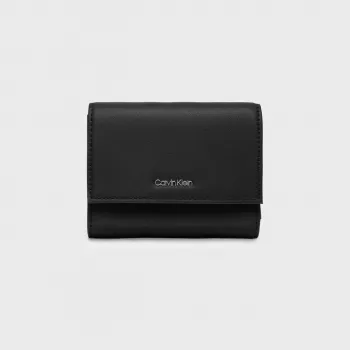
If you want a closer look at a black faux leather option designed for everyday carry, see the details here: Calvin Klein black faux leather wallet everyday guide.
FAQ
How do you clean a faux leather wallet?
Wipe it with a soft damp cloth and a drop of mild soap, then dry it immediately. Avoid alcohol, harsh cleaners, and heavy oils, which can weaken the coating and cause dull spots or cracking.














Leave a comment