Genuine Leather Explained: Is It Really Real Leather?
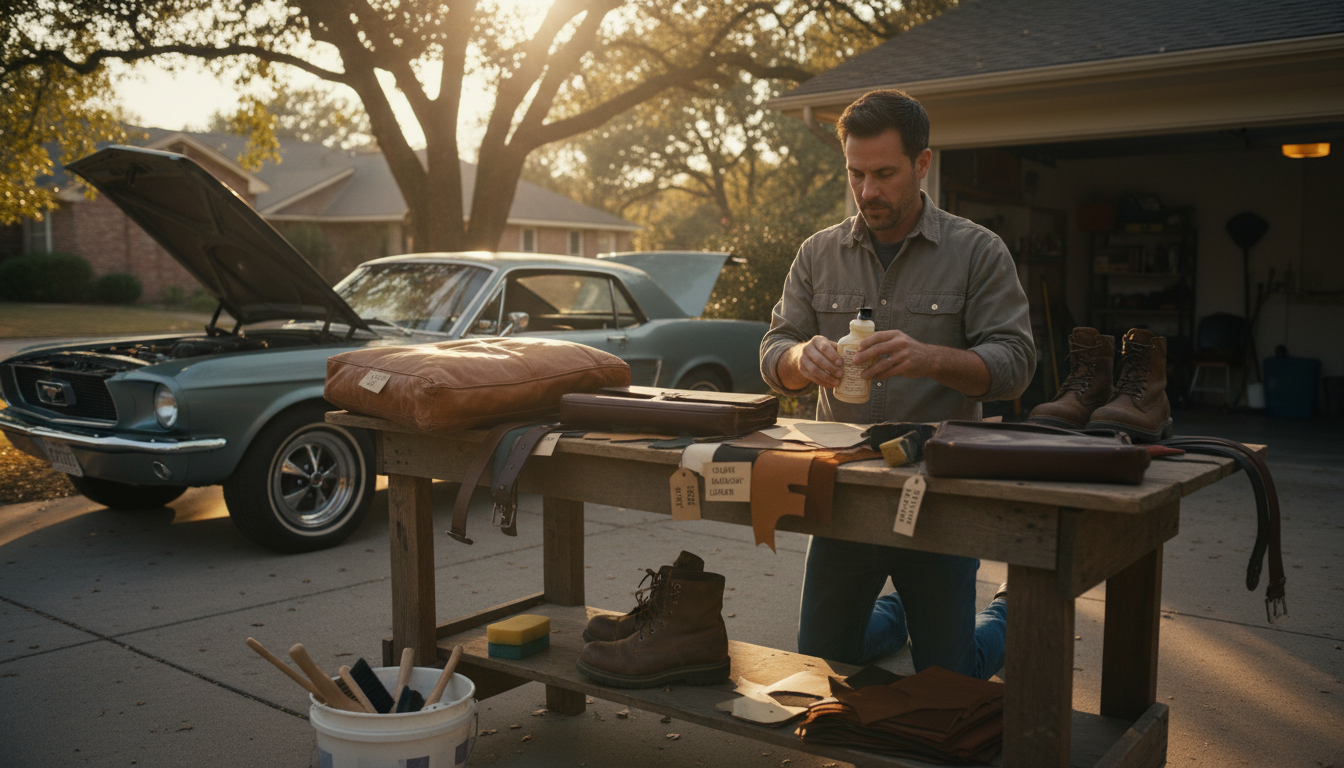
Is genuine leather still real leather?
Yes. Genuine leather is real leather because it’s made from animal hide. The confusion comes from how the term is used in retail: “genuine leather” often signals an entry-level leather choice rather than the highest-grade option.
What “genuine leather” actually means
On a label, “genuine leather” indicates the material contains real hide (not synthetic like PU or PVC). It does not automatically tell you the exact cut, grade, or finishing process. Some genuine leather products are made from lower layers of the hide (split leather) or from leather fibers bonded together, then finished with coatings to create a uniform look.
That doesn’t make it fake—it means the manufacturer is communicating authenticity, not premium quality. In contrast, terms like “full-grain” or “top-grain” typically describe higher-end cuts with different durability and aging characteristics.
How it compares to other leather labels
Leather isn’t a single standardized tier system across all brands, but these general tendencies hold true:
- Full-grain leather: The outermost layer with the natural grain intact; tends to be the most durable and develops a rich patina.
- Top-grain leather: Sanded/refined surface; still high quality, usually more uniform in appearance.
- Genuine leather: Real hide, often more processed; quality can range from decent to basic depending on construction and finish.
- Bonded leather: Made from leather scraps/fibers bonded with adhesives; may be labeled in ways that confuse shoppers, but it’s generally less durable.
How to tell if it’s a good “genuine leather” purchase
Instead of relying on the label alone, look for signals of solid construction and long-term wear:
- Feel and flexibility: Real leather should feel warm and supple, not plastic-like or overly stiff.
- Edges and backing: Check cut edges and underside—some coated splits can look uniform on top but fibrous underneath.
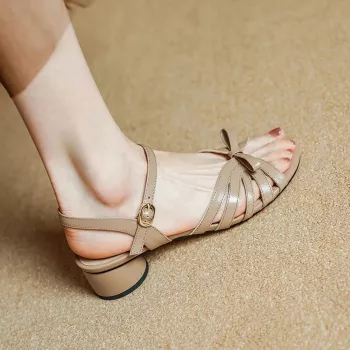
- Stitching and assembly: Even stitches, reinforced stress points, and a sturdy footbed matter as much as the leather type—especially for sandals.
- Care expectations: Heavily finished leathers may resist scuffs but won’t develop patina the same way; conditioning needs can differ.
For a practical breakdown of genuine leather—especially how it performs in gladiator sandals, plus fit, styling, and care—see the full guide here: https://supremechoiceden.shop/blog/guide-genuine-leather-gladiator-sandals-1-2in-fit-style-care/.
FAQ
How do you care for genuine leather sandals?
Wipe off dust and dirt with a soft, slightly damp cloth, let them dry away from heat, and use a leather conditioner occasionally to prevent drying and cracking. If the leather is heavily finished, use lighter conditioning and spot-test first to avoid streaking.














Leave a comment